Using an impact driver drill can make tasks like driving screws and bolts much easier. These tools are popular in both home projects and professional settings because they offer more torque and speed than standard drills. If you’re new to impact drivers, you might wonder why they’re different and how to use them safely and efficiently. This guide will help you use an impact driver correctly, avoid common mistakes, and select the best attachments for your needs.
Table of Contents
What Is An Impact Driver Drill?
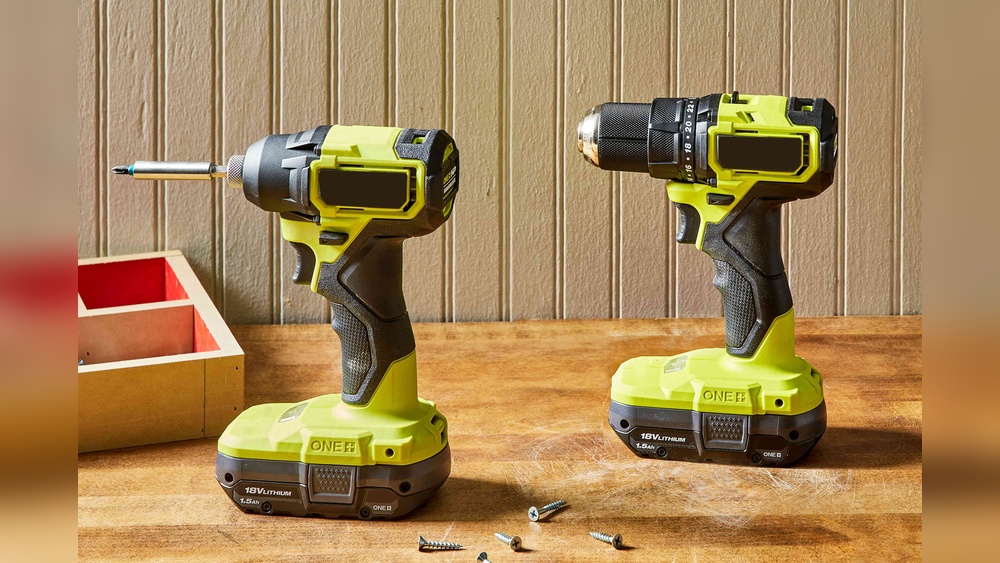
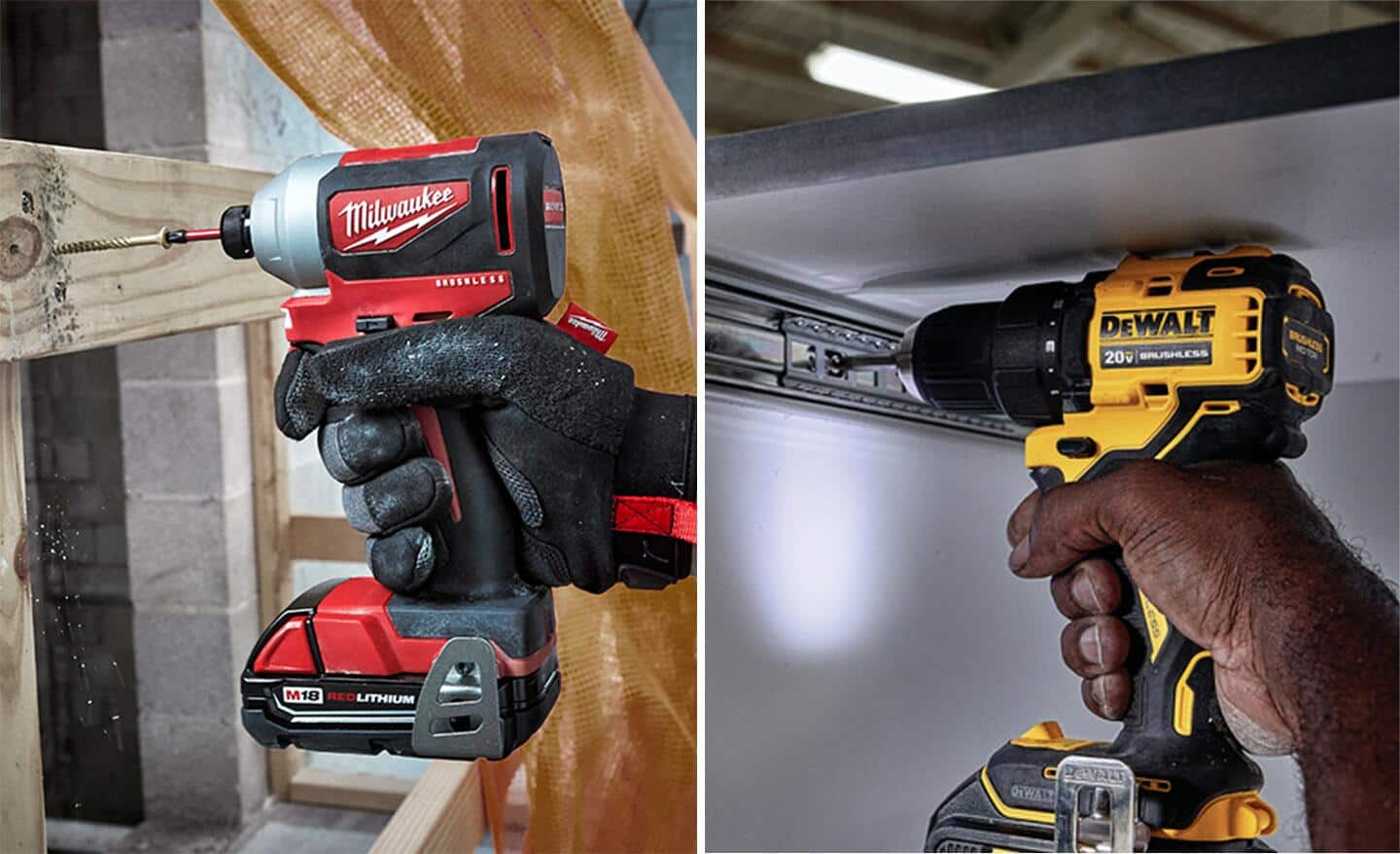
An impact driver drill looks similar to a regular drill, but it works differently. Impact drivers use a combination of rotational force and quick bursts of power. This makes them ideal for tough jobs like driving long screws into wood or loosening stubborn bolts.
The main benefit is torque. For example, a typical cordless impact driver can produce up to 1,500 inch-pounds of torque, while a regular drill averages only 400 inch-pounds. That extra strength means less effort and less wrist strain.
Here’s a quick comparison:
| Feature | Impact Driver | Standard Drill |
|---|---|---|
| Torque (in-lbs) | 1,500+ | 400-500 |
| Speed (RPM) | 2,500+ | 1,500-2,000 |
| Use | Screws, bolts | Drilling holes |
How To Use An Impact Driver Drill?
Using an impact driver is simple, but a few steps help you work safely and get the best results.
Common beginner mistakes include using the wrong bit, applying too much force, or not keeping the tool straight. These can cause stripped screws or broken bits.
Can an impact driver be used for concrete drilling jobs
Choosing Attachments And Accessories
Impact drivers can use many accessories, but not all bits work. Hex-shank bits are essential because they lock in place during heavy use. Here’s a comparison of bit types:
| Bit Type | Impact Driver Compatible | Durability |
|---|---|---|
| Hex-shank | Yes | High |
| Round-shank | No | Low |
| Socket Adapter | Yes | Medium |
For larger bolts, use a socket adapter. This lets you drive nuts and bolts with the same tool. When buying bits, look for those labeled as “impact-rated.” These resist breaking under stress.
Safety Tips
Impact drivers are powerful, so safety is important. Here are practical tips:
- Wear safety glasses. Flying debris is possible, especially when working with metal or hard materials.
- Keep hands clear. Never touch the bit or fastener when the tool is running.
- Use ear protection. Impact drivers are louder than standard drills. Prolonged use can affect hearing.
- Check battery life. A weak battery can cause the tool to stall, making it harder to control.
- Work in a stable area. If you’re on a ladder or uneven surface, secure your footing first.
Most accidents happen when users rush or use the wrong bit for the job. Take your time, and always double-check before starting.
Which is better: an impact driver or a hammer drill

When To Use An Impact Driver Instead Of A Drill?
Impact drivers are not ideal for every task. They excel in driving screws, lag bolts, and fasteners into tough materials like hardwood or metal. For drilling holes, especially in softer materials or for precision work, a standard drill is better.
Here’s a quick comparison for common jobs:
| Job | Impact Driver | Drill |
|---|---|---|
| Driving long screws | Best | Good |
| Drilling holes | Limited | Best |
| Loosening bolts | Best | Limited |
| Working with soft material | Possible | Best |
Detail Guide: When is an impact driver better than a drill
Practical Tips And Insights
- Battery size matters. Larger batteries mean more power and longer runtime. For heavy jobs, use at least a 2.0 Ah battery.
- Impact-rated bits last longer and reduce breakage. Standard bits can snap or wear out quickly.
- Bit length affects control. Shorter bits are easier to manage and reduce wobble.
A lesser-known tip: If you’re working with hardwood, pre-drill a small pilot hole. This prevents splitting and helps the impact driver work faster.
Another insight: If your impact driver stalls or stops, check the battery and bit. Many users think the tool is broken, but often a weak battery or worn bit causes problems.
Can I use an impact driver instead of a power drill

Frequently Asked Questions
What Is The Difference Between An Impact Driver And A Drill?
An impact driver uses bursts of torque, making it better for driving screws and bolts. A drill is mainly for making holes, especially in softer materials.
Can I Use Regular Drill Bits In An Impact Driver?
No. Only hex-shank bits fit properly. Using regular bits can damage both the tool and the bit.
Is An Impact Driver Safe For Beginners?
Yes, as long as you follow safety guidelines. Keep hands away from moving parts and use the correct bits.
How Much Torque Does An Impact Driver Provide?
Most impact drivers deliver between 1,200 and 1,800 inch-pounds of torque. This is about three times more than a typical drill.
Last Things
Using an impact driver drill can speed up your work and make tough jobs simpler. With the right bits, proper safety habits, and a little practice, you’ll see why so many people rely on these tools for both professional and home projects.
Always choose the right attachment, work carefully, and you’ll get strong, reliable results every time.

Leave a Reply