Many people who own an impact driver wonder if it can also serve as a drill. With tool budgets tight and storage space limited, using one tool for multiple jobs is attractive. However, impact drivers and drills are made for different tasks, and using one in place of the other has both benefits and drawbacks. If you’re considering using an impact driver to drill holes, it’s important to know what to expect, how to do it safely, and whether it’s the best choice for your project.
Table of Contents
How An Impact Driver Differs From A Drill?
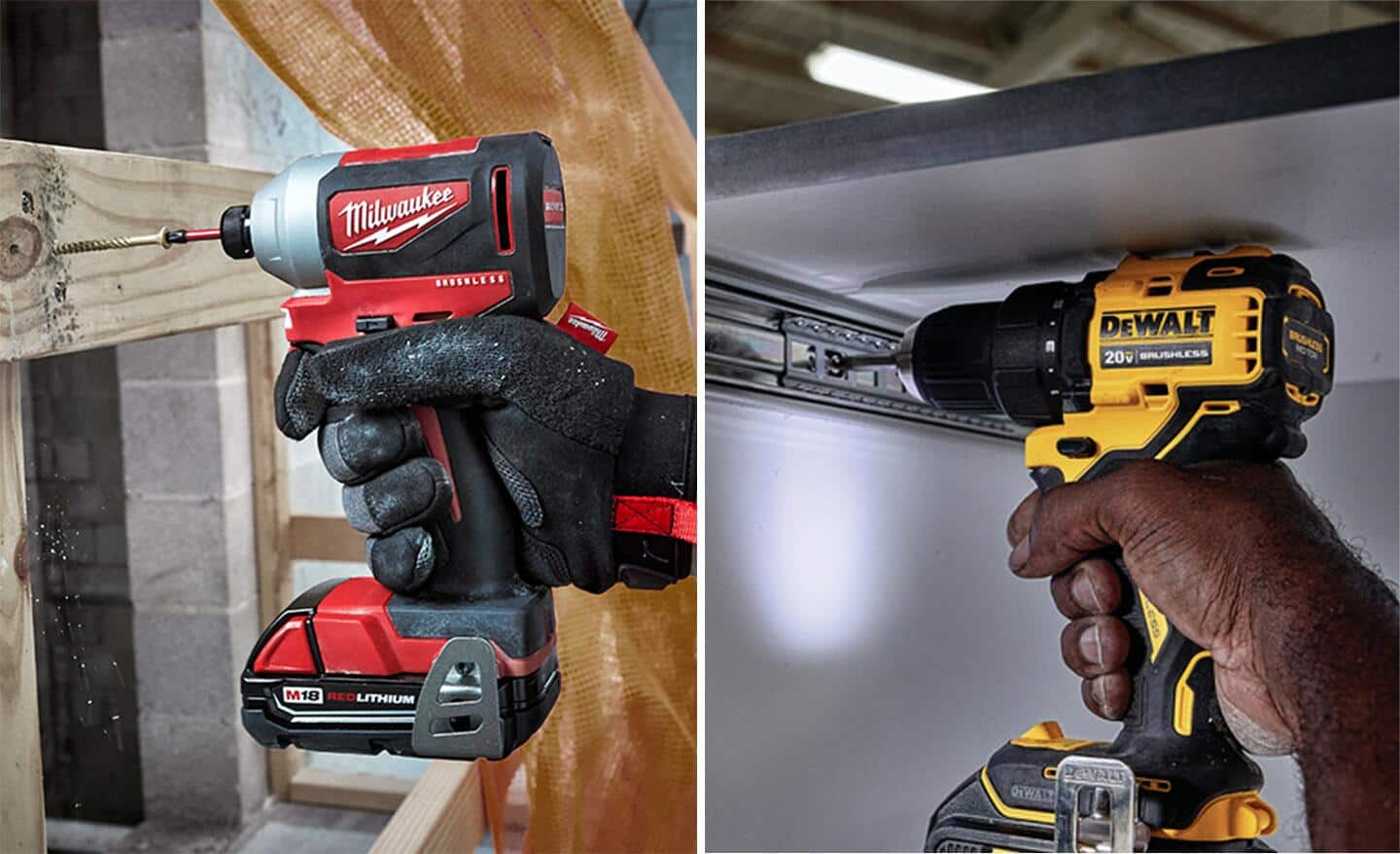
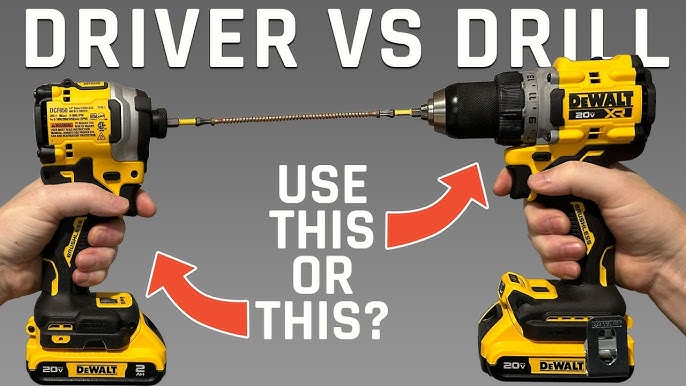
Both tools look similar, but their functions are not the same. A drill rotates bits at a steady speed and torque, making it ideal for creating holes in wood, metal, and plastic. An impact driver, on the other hand, delivers quick bursts of rotational force (impacts) along with spinning motion.
This makes it excellent for driving screws into tough materials or loosening tight bolts.
Below is a table comparing the main features of each tool:
| Feature | Impact Driver | Drill |
|---|---|---|
| Primary Use | Driving screws/fasteners | Drilling holes |
| Torque | High | Medium |
| Speed Control | Limited | Good |
| Chuck Type | 1/4″ Hex | Keyless/Keyed |
| Bit Compatibility | Hex-shank only | Round/Hex-shank |
Can You Drill With An Impact Driver?
Yes, you can use an impact driver as a drill in some situations. Many hex-shank drill bits are available, which fit directly into an impact driver’s chuck. These bits allow you to make holes in wood, plastic, and thin metal.
For home repairs or quick tasks, this approach is often good enough.
However, there are limitations:
- Precision: Impact drivers lack the speed control of a regular drill, making it harder to start holes accurately, especially in delicate materials.
- Bit Selection: You can only use hex-shank drill bits. Standard round-shank bits won’t fit in an impact driver.
- Material Limits: While wood and soft metals are usually fine, thick metal, masonry, or ceramic may damage the tool or bit.
- Hole Size: Making larger holes (over 1/4 inch) is tough because impact drivers aren’t designed for that kind of work.
When It Works Well?
An impact driver is a strong choice for:
- Drilling small pilot holes in wood for screws
- Making quick holes in soft materials
- Working in tight spaces where a bulky drill doesn’t fit
- Driving screws or bolts right after drilling, using the same tool
Some people find it handy when assembling furniture or doing light construction. The tool’s compact size and high torque speed up these jobs.
When To Avoid Using An Impact Driver For Drilling?
There are tasks where a traditional drill performs much better:
- Drilling large diameter holes (like for plumbing or wiring)
- Making holes in masonry, tile, or thick steel
- Tasks that need slow, careful starts (such as installing cabinet hardware)
- Projects where clean, smooth holes are important
In these cases, a regular drill’s variable speed and wide bit compatibility make it the right choice.
Discover the easiest way to change drill bits
:max_bytes(150000):strip_icc()/SPR-impact-driver-vs-drill-5116867-hero-37b95592c1a44e97baa3de9f859fbd0a.jpg)
Tips For Drilling With An Impact Driver
If you decide to use your impact driver as a drill, keep these tips in mind:
- Use quality hex-shank bits: Cheap bits break easily under the hammering motion.
- Start slow: Gently squeeze the trigger to avoid wandering.
- Don’t force the tool: Let the bit do the work, especially in harder materials.
- Check your bit’s rating: Some hex-shank bits are not made for impact use and can shatter.
- Wear safety glasses: Bits can snap unexpectedly due to the high torque.
Here’s a quick side-by-side comparison of drilling performance:
| Material | Impact Driver | Drill |
|---|---|---|
| Softwood | Good | Excellent |
| Hardwood | Acceptable | Good |
| Metal (thin) | Fair | Good |
| Concrete/Brick | Poor | Poor (unless using hammer drill) |
Common Mistakes To Avoid
People new to impact drivers often make these mistakes when using them as drills:
- Using standard round drill bits, which won’t fit.
- Attempting to drill large holes, straining the motor.
- Ignoring safety, especially with low-quality bits.
- Overdriving into delicate materials and causing damage.
- Not realizing that impact drivers are much louder during drilling than regular drills.
Choosing The Right Tool For Your Needs
If you do a lot of drilling in different materials, a regular drill or a hammer drill is a better investment. For basic home repairs, an impact driver with the right bits can save time and space. Some tool kits now combine both tools, giving you the benefits of each.
Here’s a quick overview of when to choose each tool:
| Task | Best Tool |
|---|---|
| Drilling clean holes in wood/metal | Drill |
| Driving long screws/bolts | Impact Driver |
| Working in tight spaces | Impact Driver |
| Drilling masonry | Hammer Drill |
One insight that many beginners miss is that impact drivers can easily strip screw heads if you try to use them for delicate screwdriving or slow drilling. Also, using low-quality hex-shank bits can be dangerous as they may snap or shatter under the tool’s powerful impacts.
Final Thoughts
An impact driver can sometimes double as a drill, but it’s not a full replacement. For simple holes in wood or light materials, it does the job. For more precise, clean, or heavy-duty drilling, a standard drill is better. If you choose to use an impact driver, invest in good quality hex-shank bits and always work safely.
Frequently Asked Questions
Can An Impact Driver Drill Into Metal?
Yes, but only thin metal, and only if you use a proper hex-shank bit rated for impact use. Thicker metal is better drilled with a standard drill.
What Type Of Bits Do I Need To Drill With An Impact Driver?
Use hex-shank drill bits. They snap into the impact driver’s chuck and are made to handle the tool’s higher torque.
Is It Safe To Drill Masonry With An Impact Driver?
No. Impact drivers are not designed for concrete or brick. Use a hammer drill with a masonry bit for these materials.
Why Does My Impact Driver Make Loud Noises When Drilling?
The tool delivers strong, rapid impacts to increase torque. This hammering action is much louder than a regular drill.
Can I Use An Impact Driver For All My Drilling Needs?
For small, simple holes in soft materials, yes. For more complex, precise, or heavy-duty drilling, a regular drill is the better choice.

Leave a Reply