Many homeowners and DIY enthusiasts wonder if their impact driver can handle tough materials like concrete. Impact drivers are popular for their power and speed, but concrete is a hard surface that needs the right tool. If you’re planning to hang shelves, fix cabinets, or install anchors in concrete, choosing the correct tool is important. Let’s go through what you need to know before using your impact driver for drilling into concrete.
Table of Contents
How Impact Drivers Work?
An impact driver uses rotational force and quick bursts of torque to drive screws and bolts. It’s different from a regular drill because it uses rapid impacts, making it easier to drive fasteners into hard surfaces like wood or metal. Most impact drivers are compact and lightweight, which is great for tight spaces.
However, impact drivers do not have a hammering mechanism like a hammer drill. Hammer drills push the bit forward with a pounding motion while rotating, making them much better for concrete.
Impact Driver Vs Hammer Drill
To compare these tools, here’s a quick overview:
| Feature | Impact Driver | Hammer Drill |
|---|---|---|
| Primary Use | Driving screws/bolts | Drilling into masonry |
| Hammering Action | No | Yes |
| Suitable for Concrete | Limited | Excellent |
| Bit Types | Hex shank | Round/specialized masonry bits |
Can You Drill Concrete With An Impact Driver?
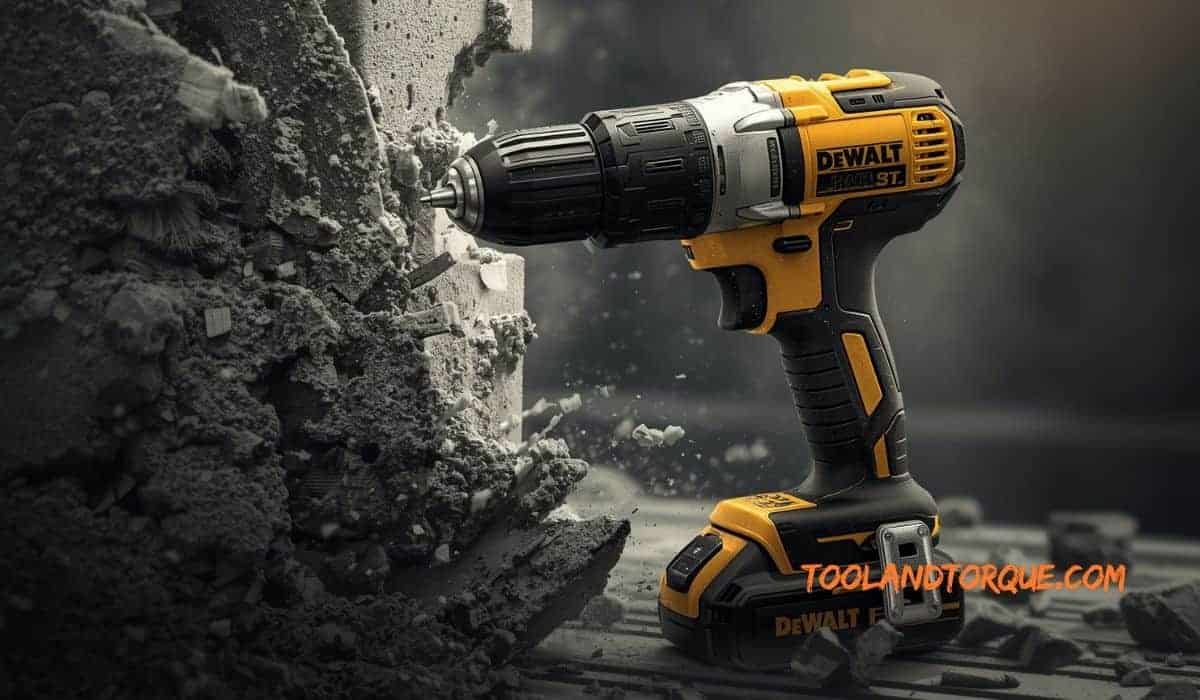
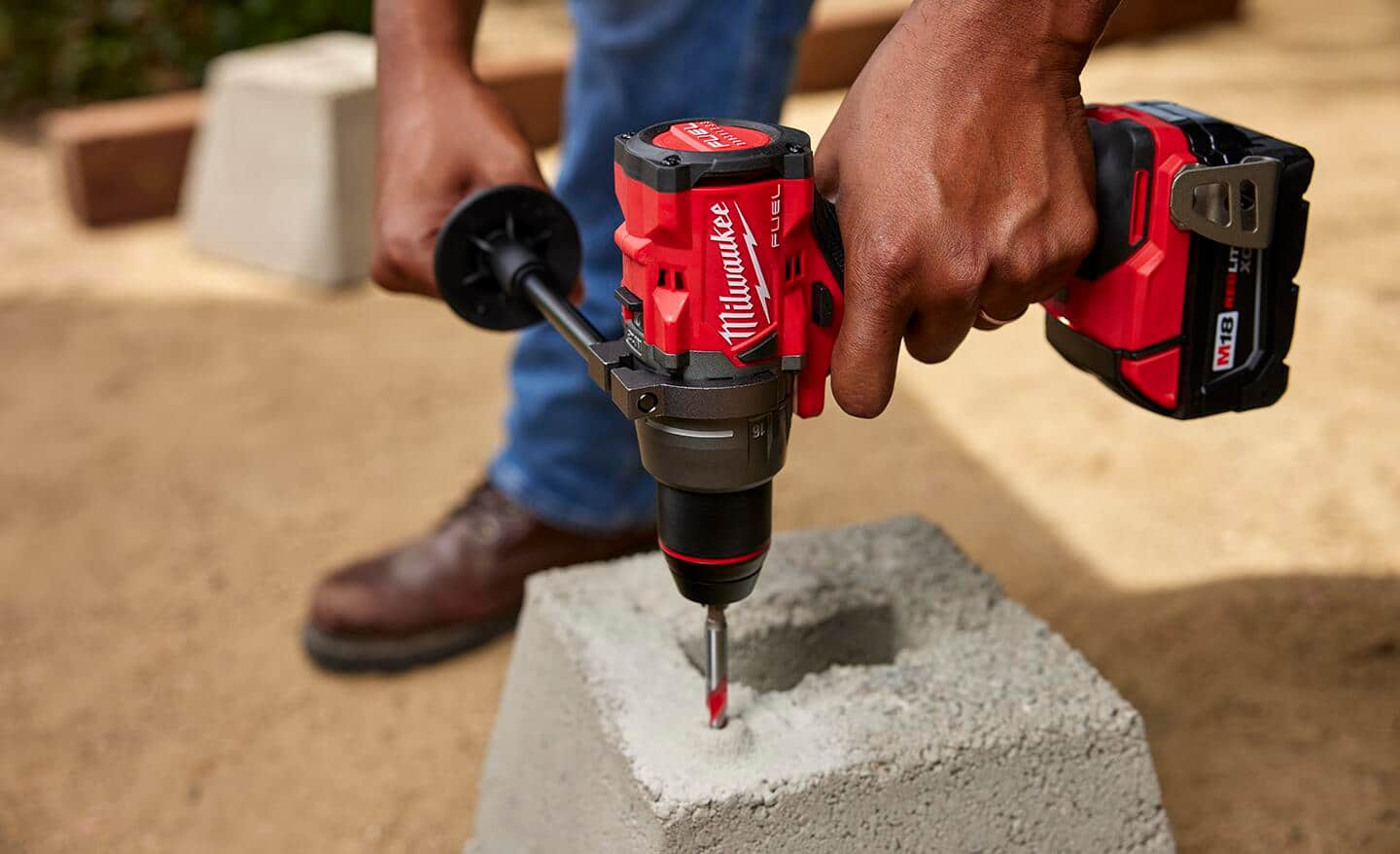
The short answer: yes, but with important limits. Impact drivers can drill into concrete if the task is light and the right bit is used. For example, making holes for plastic anchors or screws in small areas is possible. For bigger holes or deep drilling, an impact driver is not the best choice.
What Makes Concrete Challenging?
Concrete is made from cement, sand, gravel, and water. It sets hard and dense, so it resists standard drilling. For most holes, a hammer drill or rotary hammer is recommended. Impact drivers do not push the bit forward; they only rotate. This is a problem with concrete, especially when drilling larger holes.
What are the pros and cons of drills vs impact drivers
Choosing The Right Drill Bits
If you decide to use your impact driver, you must use masonry drill bits with a hex shank. These are made for concrete and brick and fit the impact driver’s chuck. Standard twist bits will quickly dull or break.
Here’s a quick comparison of bits:
| Bit Type | Use with Impact Driver? | Durability in Concrete |
|---|---|---|
| Masonry Bit (Hex Shank) | Yes | Good for small holes |
| Standard Twist Bit | No | Poor |
| Masonry Bit (Round Shank) | No | Only for hammer drills |
Step-by-step: Drilling Concrete With An Impact Driver
Here’s how you can try drilling small holes in concrete with an impact driver:
- Choose the right bit: Use a hex-shank masonry bit.
- Mark the hole: Mark your drilling spot with a pencil.
- Start slow: Begin at a low speed to prevent slipping.
- Increase speed: Once the bit bites into the surface, speed up.
- Clear dust: Stop often to clear dust from the hole.
- Avoid overheating: Let the bit cool between drilling if needed.
Tip: If you hit a stone or hard spot, don’t force it. The impact driver can burn out or break the bit.
How to change a drill bit in a drill
When Should You Use A Hammer Drill Instead?
If you need to drill holes larger than 1/4 inch or deeper than 1 inch, you should use a hammer drill. Hammer drills have a pounding action that breaks up concrete, making the job much faster and easier. For installing heavy-duty anchors or running cables through walls, the hammer drill is essential.
Typical Hammer Drill Statistics
- Hammer drills can drill through concrete three times faster than impact drivers.
- Most hammer drills have a power rating of 6–10 amps, while impact drivers usually have 3–5 amps.
- Hammer drills allow for continuous drilling without frequent cooling pauses.
Practical Examples
Let’s look at some real situations:
- Hanging a light picture frame: Impact driver can handle it with a small hole.
- Installing wall shelves: For deeper or bigger holes, a hammer drill is better.
- Fixing electrical boxes: Impact driver might work if the hole is shallow and you use a proper masonry bit.
Non-obvious insight: Even if you manage to drill a hole with your impact driver, the quality and smoothness of the hole may be poor. Anchors might not hold as tightly, which can lead to unsafe fixtures.
Another insight: Using an impact driver for concrete can drain the battery very quickly, especially for cordless models. Always have a spare battery ready.

Safety And Maintenance Tips
Concrete dust is harmful. Always wear eye protection, a dust mask, and gloves. After drilling, clean your impact driver and bit. Check for wear and cracks, as masonry bits can chip easily.
Common Mistakes To Avoid
- Using the wrong bit: Always use a masonry bit with a hex shank.
- Pushing too hard: Let the tool do the work. Excess force can damage the bit.
- Skipping pauses: Continuous drilling overheats the tool and bit.
- Using old bits: Dull bits make drilling harder and unsafe.
Frequently Asked Questions
Can An Impact Driver Drill A Hole For A Wall Anchor In Concrete?
Yes, it can, if the hole is small (under 1/4 inch) and you use a hex shank masonry bit. For larger or deeper holes, use a hammer drill.
What Bit Should I Use For Concrete Drilling With An Impact Driver?
Choose a masonry bit with a hex shank. Standard bits are not strong enough for concrete and will break.
Is It Safe To Drill Concrete With An Impact Driver?
It’s safe if you use proper bits, wear protection, and don’t force the tool. Stop if you feel resistance or if the bit overheats.
Will An Impact Driver Damage Concrete?
No, but it may not make a clean hole. The hole can be rough, and anchors might not fit tightly, which can reduce holding power.
Are Impact Drivers Good For Heavy-duty Concrete Jobs?
No, they’re best for light jobs or small holes. For heavy-duty drilling, use a hammer drill or a rotary hammer.
Which is better: an impact driver or a hammer drill
Last Word
If you need to drill into concrete often or for bigger projects, invest in a hammer drill. Impact drivers can do the job in some cases, but they’re not made for concrete. Using the correct tool saves time and effort and keeps your fixtures safe.
Choose wisely and follow safety tips for best results.

Leave a Reply