
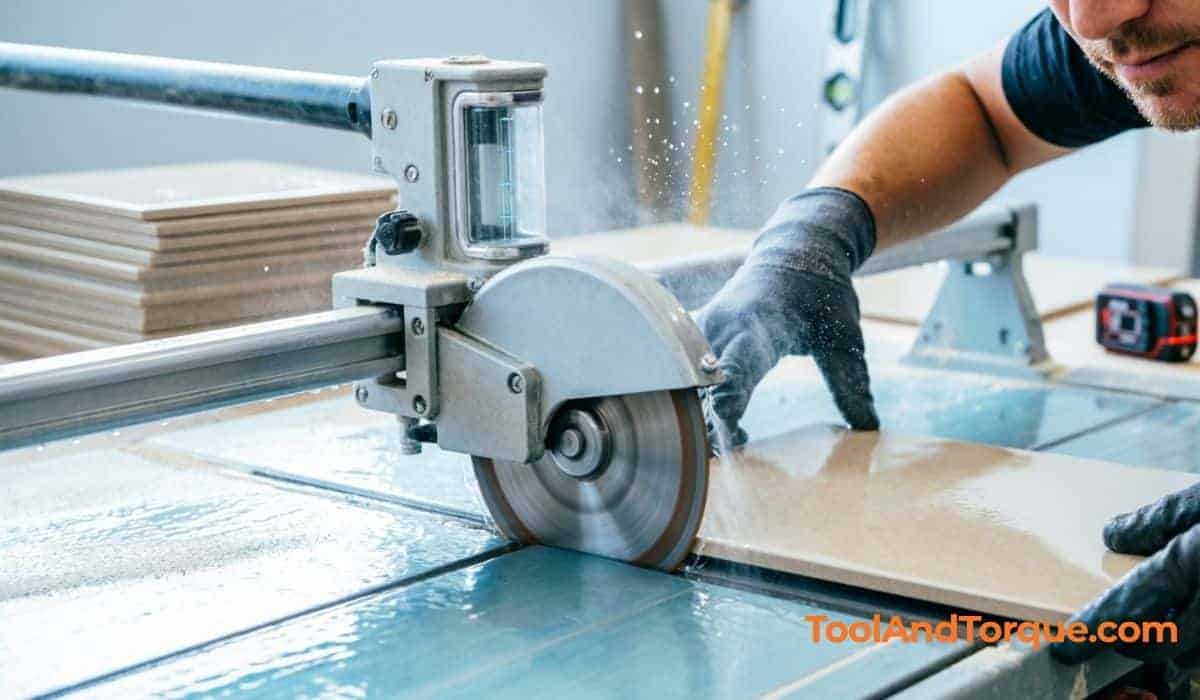
Using a tile saw can seem challenging at first, but it’s a practical tool for anyone working with ceramic, porcelain, or stone tiles. Whether you’re remodeling a bathroom, updating a kitchen backsplash, or laying a new floor, knowing how to operate a tile saw safely and efficiently can save time and help achieve professional results.
This guide provides clear instructions, practical tips, and insights that can make your tile project easier, even if you’re new to power tools.
Table of Contents
Tile Saw Basics
A tile saw is a specialized machine designed to cut tiles with precision. Most tile saws use a diamond blade and water to reduce dust and keep the blade cool. There are two main types: wet tile saws and dry tile saws. Wet saws are more common because they produce cleaner cuts and minimize chipping.
Common Tile Saw Types
Here’s a comparison of the most popular tile saw types:
| Type | Best For | Water Use | Portability |
|---|---|---|---|
| Wet Tile Saw | Ceramic, porcelain, stone | Yes | Medium |
| Handheld Tile Saw | Small jobs, curved cuts | Optional | High |
| Tile Cutter | Simple straight cuts | No | High |
Wet tile saws are preferred for most home projects due to their accuracy and versatility.
Safety Precautions
Safety should always come first when using any power tool. Tile saws can cause injuries if not handled properly.
- Wear safety goggles to protect your eyes from flying debris.
- Use ear protection if the saw is loud.
- Wear a dust mask if cutting dry.
- Keep your hands away from the blade at all times.
- Ensure the area around the saw is dry to prevent slips.
- Make sure the saw is unplugged or switched off when making adjustments.
Many beginners forget to check the water reservoir regularly, leading to dry cuts and blade overheating. Always keep the water level sufficient for cooling.
Preparing For Cutting
Before you cut, preparation is key. Here’s what you need to do:
- Measure and Mark: Use a pencil or marker to draw a clear line on the tile where you want to cut. Double-check measurements to avoid mistakes.
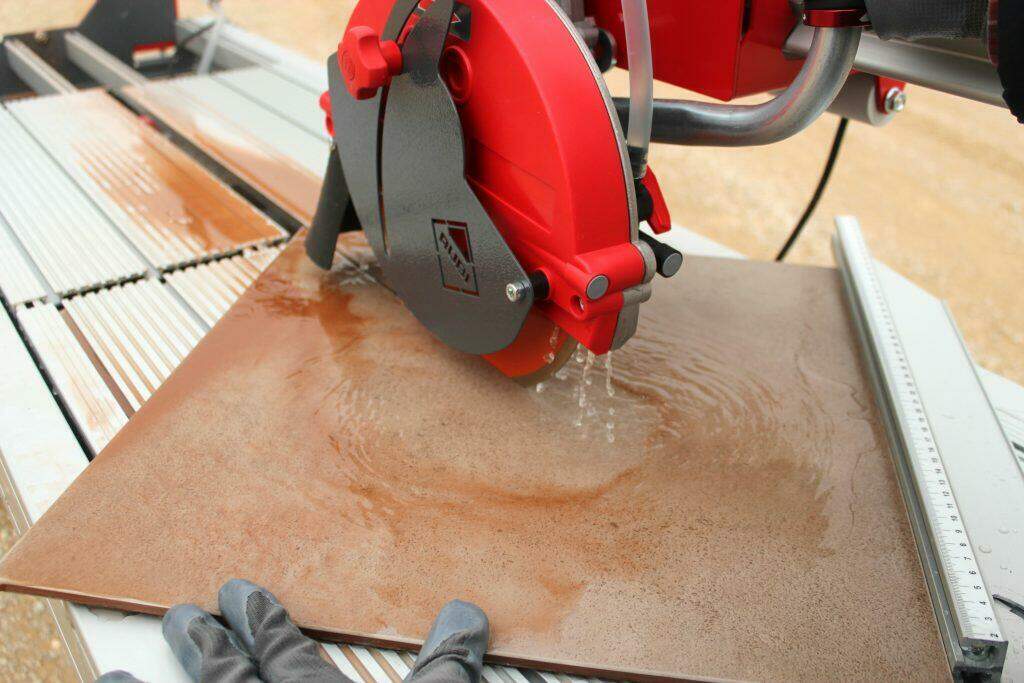
- Setup Saw and Water: Place the saw on a stable surface. Fill the reservoir with clean water. Make sure the water pump (if present) is working.
- Check Blade Condition: Inspect the diamond blade for chips or excessive wear. Dull blades can cause rough cuts or break tiles.
- Arrange Tiles: Place tiles nearby, but never stack them too close to the cutting area.
Some users overlook the importance of a clean workspace. Dust and debris can affect cut quality, so wipe down the saw and tiles before starting.
Cutting Tiles With A Tile Saw
Once you’re ready, follow these steps to cut tiles efficiently:
- Position the Tile: Place the tile flat on the saw’s platform. Align the marked line with the blade.
- Adjust Guides: Use the saw’s fence or guide to keep the tile straight during the cut.
- Start Saw: Switch on the saw and wait until the blade is spinning at full speed.
- Feed the Tile Slowly: Push the tile gently toward the blade. Keep your hands on the sides, away from the blade path.
- Let the Saw Work: Don’t force the tile. Allow the blade to cut at its own speed for a clean edge.
- Finish the Cut: Once the cut is complete, turn off the saw. Carefully remove the tile.
If you need to cut irregular shapes or corners, make multiple passes instead of trying to cut complex shapes in one go. This reduces tile breakage.
Cutting Angles And Shapes
For angled or specialty cuts:
- Mark the desired angle on the tile.
- Use the saw’s adjustable guide or miter feature to set the angle.
- Cut slowly to avoid chipping.
- For curved cuts, cut small straight lines along the curve, then smooth with a tile nipper.
Many beginners try to cut curves in one motion, which often damages the tile. Small, controlled cuts work best.
Tips For Clean, Accurate Cuts
Getting a smooth edge and the right size is important for fitting tiles properly.
- Use a sharp diamond blade. Replace it if you notice rough edges.
- Keep the tile saw’s water flow steady.
- Clean tiles before cutting to prevent dust buildup.
- Mark cuts clearly with a pencil or marker.
- Double-check measurements before cutting.
A common oversight is failing to check the blade alignment. If the blade is not parallel to the guide, cuts can be uneven. Adjust the blade as needed.
Common Mistakes And How To Avoid Them
Even experienced users make errors. Here are some frequent mistakes and how to prevent them:
- Rushing the Cut: Moving too quickly can crack or chip the tile. Always feed tiles slowly.
- Incorrect Water Level: Not enough water can overheat the blade and ruin tiles. Check water often.
- Dull Blades: Using a worn blade leads to rough edges. Replace blades regularly.
- Improper Measurements: Misreading the tape measure or marking incorrectly causes wasted tiles. Always double-check.
- Ignoring Safety Gear: Not wearing goggles or gloves increases injury risk.
Here’s a comparison of common mistakes and their impact:
| Mistake | Result | Prevention |
|---|---|---|
| Rushing | Cracked/chipped tiles | Feed slowly |
| Low water | Blade overheating | Check reservoir |
| Dull blade | Rough edges | Replace blade |
| Bad measurement | Wrong size | Double-check marks |
| No safety gear | Injury risk | Wear goggles/gloves |
Tile Saw Maintenance
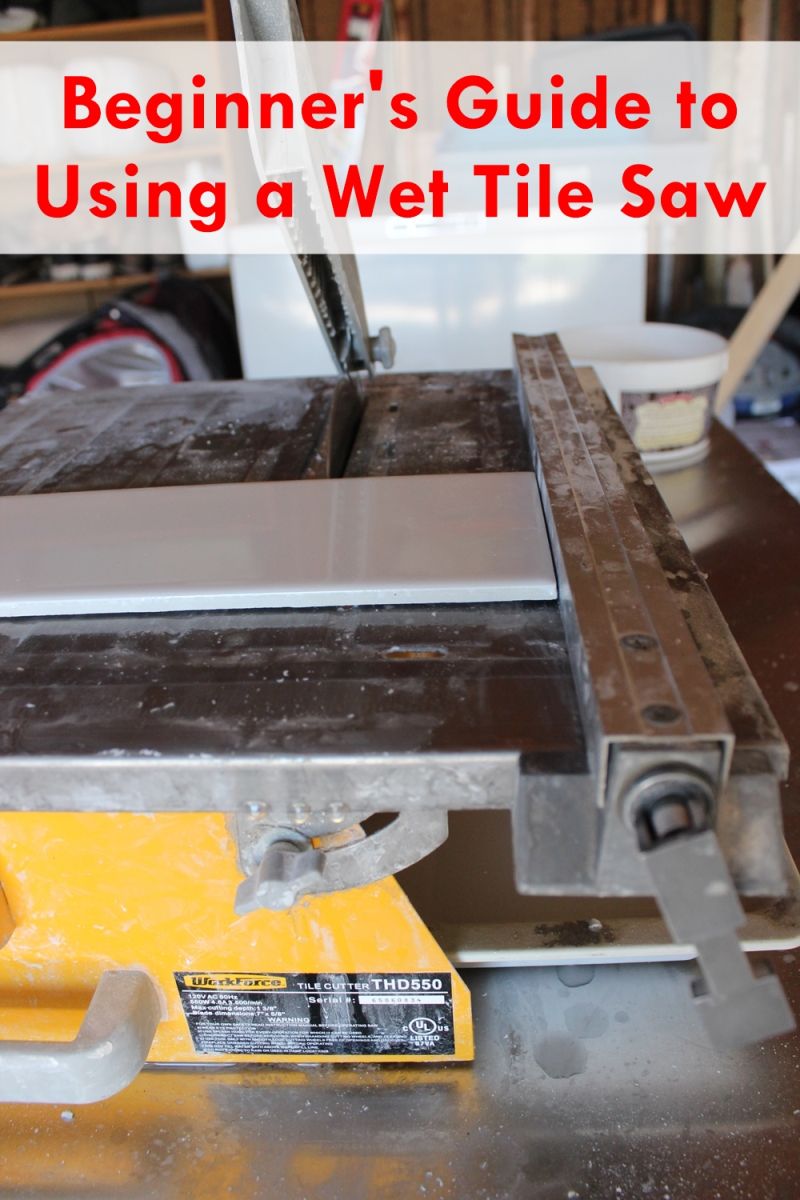
Keeping your tile saw in good condition ensures it lasts longer and works reliably.
- Clean the saw after each project. Remove tile dust and debris.
- Check the water pump for clogs.
- Inspect the blade for wear and replace when necessary.
- Store the saw in a dry place to avoid rust.
- Lubricate moving parts if recommended by the manufacturer.
Some users forget to clean the water reservoir, which can lead to algae or mineral buildup. Clean it periodically, especially if using hard water.
Choosing The Right Tile Saw
The right saw depends on your project size and tile type. For small DIY jobs, a handheld or compact wet saw works well. For larger projects or thick stone tiles, a full-sized wet saw is best.
Consider these factors:
- Tile size and thickness
- Type of tile (ceramic, porcelain, stone)
- Project scale (backsplash vs. floor)
- Budget
Here’s a quick comparison of tile saw features:
| Feature | Entry-Level Saw | Professional Saw |
|---|---|---|
| Cutting Capacity | Up to 12” tiles | Up to 24” tiles |
| Water System | Basic reservoir | Pump and adjustable flow |
| Blade Quality | Standard diamond | Premium diamond |
| Adjustable Guides | Fixed fence | Miter and bevel options |
| Portability | Lightweight | Heavier |
Avoid buying a saw that’s too small for your tiles, as this limits the types of cuts you can make.

Practical Insights
- Use scrap tiles for practice before making important cuts. This helps you adjust to the saw’s speed and feel.
- Always check the saw’s electrical cord for damage. Water and electricity can be dangerous.
- Label off-cuts and leftovers. Sometimes you can use them for small fills or future repairs.
- If cutting multiple tiles of the same size, use the saw’s guide for consistent results.
Many users don’t realize that cutting tiles produces sharp edges. Smooth them with a sanding stone or tile file before installation.
Frequently Asked Questions
How Often Should I Replace The Tile Saw Blade?
The blade should be replaced when it starts producing rough cuts or chipping tiles. For home projects, this might be every few hundred cuts. Professional users change blades more often. Inspect the blade regularly for wear.
Can A Tile Saw Cut Glass Tiles?
Yes, but use a blade specifically designed for glass tiles. Standard diamond blades can chip glass. Go slowly and keep water flow steady for best results.
What Is The Best Way To Cut Small Tiles?
Use a tile saw with a fine diamond blade and a stable guide. For mosaic tiles, place them on a backing sheet and cut carefully. Avoid cutting very small pieces freehand.
How Do I Prevent Tiles From Cracking During Cutting?
Feed the tile slowly, keep water levels high, and use a sharp blade. Also, make sure the tile is fully supported by the saw’s platform. Cracking often happens when tiles hang over the edge.
Is It Possible To Rent A Tile Saw?
Yes, many home improvement stores offer tile saw rental. Renting is a good option if you don’t plan to use the saw often. Check local stores or Home Depot for rental details.
Last Word
Using a tile saw makes tile projects more manageable and helps achieve a neat finish. With careful preparation, attention to safety, and proper maintenance, even beginners can handle a tile saw confidently. Remember to practice on spare tiles and always use safety equipment.
A well-cut tile not only looks better but also lasts longer, making your hard work worthwhile.

Leave a Reply