A torque screwdriver is a tool many people have heard about, but few know how it really works or why it matters. If you’ve ever assembled electronics, fixed a bicycle, or worked in manufacturing, you might have seen a torque screwdriver in action.
This tool helps you fasten screws with a specific amount of force, making sure nothing is too loose or too tight. Using the correct torque protects parts from damage and improves safety. Let’s look at what a torque screwdriver is, how it works, why professionals depend on it, and how you can choose the right one for your needs.
Table of Contents
What Is A Torque Screwdriver?
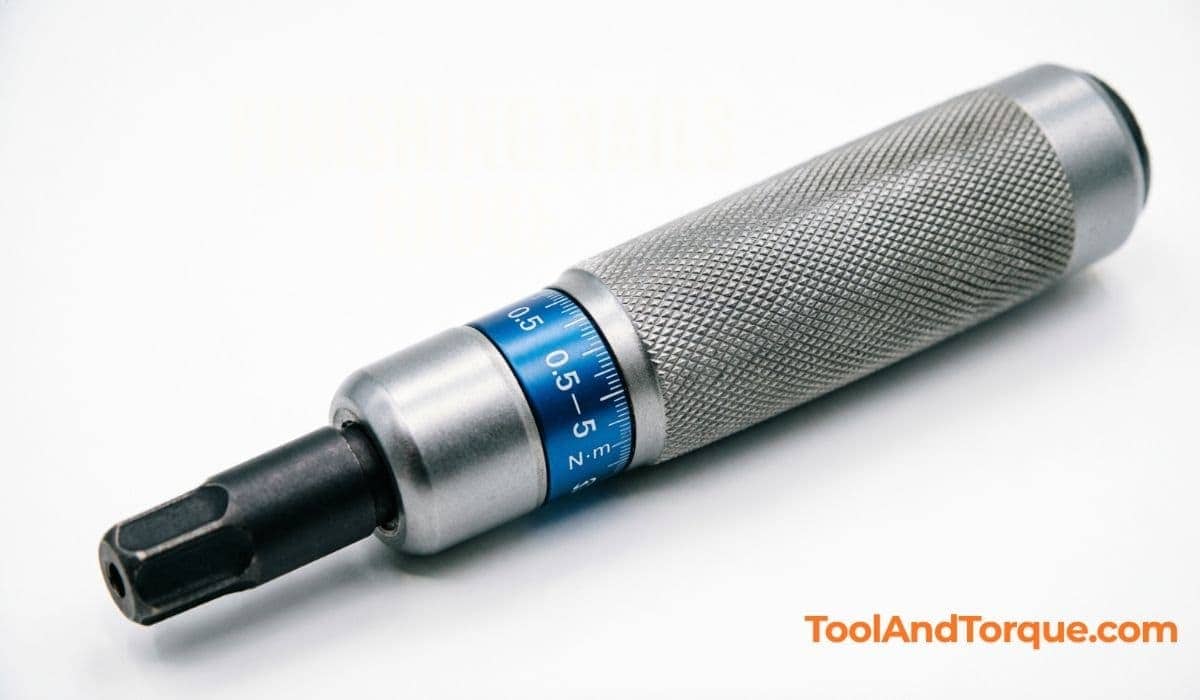
A torque screwdriver is a hand tool used to tighten screws with controlled force. Instead of relying on your own strength or guesswork, it lets you set a specific torque value. Torque is the twisting force applied to turn an object—here, a screw. The screwdriver clicks, slips, or signals when you reach the set torque, preventing over-tightening or under-tightening.
Most torque screwdrivers have a built-in mechanism that limits how much force you can apply. They are used in industries where precision is critical, such as electronics, aerospace, medical equipment, and automotive. If a screw is too tight, it can strip threads or damage components.
If too loose, it may cause parts to come apart. The torque screwdriver solves these problems.
How Does A Torque Screwdriver Work?
A torque screwdriver works by using a mechanical or electronic system to control the amount of force applied to a screw. The tool is designed to alert the user when the desired torque is reached.
Mechanical Torque Screwdrivers
Mechanical types use springs, clutches, or cams. When you turn the screwdriver, the mechanism measures the force. As soon as the preset torque is reached, the tool either clicks, slips, or stops turning. This lets you know you have applied the correct amount of torque.
Electronic Torque Screwdrivers
Electronic versions have sensors and digital displays. These tools show the torque value in real-time and can be programmed for different settings. Some even store data for quality control.
Adjustable Vs. Fixed Torque
- Adjustable torque screwdrivers allow you to set the torque for each job.
- Fixed torque screwdrivers are preset at the factory for one specific value.
Both types are useful, but adjustable models offer more flexibility.
Why Is Torque Important?
Applying the right torque to screws is essential for safety and reliability. If a screw is not tight enough, it can loosen over time. If it’s too tight, it may break or damage the material.
For example:
- In electronics, over-torqued screws can crack circuit boards.
- In automotive, under-torqued bolts may cause parts to fail.
- In medical devices, correct torque prevents malfunction.
A study from the Journal of Mechanical Engineering found that using torque-controlled tools can reduce assembly errors by up to 30%. This shows how important torque screwdrivers are for quality and safety.
Types Of Torque Screwdrivers
There are several types of torque screwdrivers, each designed for specific tasks.
| Type | Main Feature | Typical Use |
|---|---|---|
| Click Type | Audible click at set torque | Assembly lines, electronics |
| Slipping Type | Slips to prevent extra torque | Precision work, medical devices |
| Digital/Electronic | Displays torque value | Quality control, lab testing |
| Preset/Fixed | Single torque value | Mass production, repeated tasks |
| Adjustable | Torque can be set for each use | General repairs, mixed jobs |
The right type depends on your work. For example, digital screwdrivers are best for high-tech jobs, while click types suit most basic assembly tasks.
Where Are Torque Screwdrivers Used?
Torque screwdrivers are used in many fields, including:
- Electronics: Assembling smartphones, computers, and circuit boards
- Automotive: Securing engine parts, brakes, and sensors
- Medical: Building surgical tools and implants
- Aerospace: Fastening parts in aircraft and satellites
- Manufacturing: Mass production of machinery and appliances
In these industries, the risk of mistakes is high. Using torque screwdrivers reduces errors and improves reliability.
Comparing Torque Screwdrivers To Other Tools
Many people wonder why not use a regular screwdriver or drill. The main difference is precision.
| Tool | Torque Control | Accuracy | Typical Use |
|---|---|---|---|
| Standard Screwdriver | No | Low | General repairs |
| Electric Drill | Some (with clutch) | Medium | Construction |
| Torque Screwdriver | Yes | High | Precision assembly |
A torque screwdriver is essential when you need consistent results. For example, assembling electronics often requires torque values as low as 0. 05 Nm (Newton-meters), which is impossible to achieve reliably with standard tools.

How To Choose The Right Torque Screwdriver?
Selecting the right torque screwdriver depends on your needs. Here are some factors to consider:
- Torque Range: Check the minimum and maximum torque values. For delicate jobs, you need a tool that can handle low settings.
- Accuracy: Look for models with accuracy ratings of ±6% or better.
- Type of Work: Adjustable models are best for varied tasks; fixed types suit repeated jobs.
- Grip and Comfort: Ergonomic handles reduce fatigue during long use.
- Calibration: Some models need regular calibration. Make sure it’s easy to maintain.
- Certification: Tools used in industries often require ISO or NIST certification.
- Budget: Prices vary from $30 for basic models to $500+ for advanced ones.
Common Buyer Mistakes
- Choosing a screwdriver with the wrong torque range for their tasks.
- Ignoring calibration requirements, leading to inaccurate torque.
- Buying cheap, uncertified tools for critical jobs, risking failures.
- Forgetting about ergonomics, causing hand strain.
Selecting a tool that fits your needs will save time and prevent problems.
Calibration And Maintenance
Torque screwdrivers need regular calibration to ensure accuracy. Calibration means adjusting the tool so it delivers the correct torque. Most manufacturers recommend checking calibration every 6–12 months, or after 5,000 uses.
Some tools come with certificates showing they meet standards like ISO 6789. Using a certified, calibrated tool is important in industries with strict rules.
Maintenance is simple:
- Clean the tool after use.
- Store it in a dry place.
- Avoid dropping or rough handling.
- Check calibration regularly.
A well-maintained torque screwdriver can last for years and deliver consistent results.

Real-world Example: Electronics Assembly
Let’s consider the assembly of a laptop. Engineers use torque screwdrivers to secure the motherboard, screen, and battery. Each screw has a specified torque—often between 0. 15 Nm and 0. 5 Nm. Using a torque screwdriver prevents overtightening, which could crack the circuit board or damage the battery.
In one manufacturing plant, switching to torque screwdrivers reduced defective units by 18% in the first year. This improvement not only saved money but also boosted customer satisfaction.
Key Advantages Of Torque Screwdrivers
- Precision: Ensures screws are tightened correctly every time.
- Safety: Prevents damage to delicate parts and avoids accidents.
- Efficiency: Speeds up work in assembly lines.
- Quality Control: Helps meet industry standards and avoid recalls.
- Data Tracking: Electronic models can store torque data for audits.
These benefits explain why torque screwdrivers are used by professionals worldwide.

Torque Screwdriver Vs. Torque Wrench
Many people confuse torque screwdrivers with torque wrenches. Both measure torque, but serve different jobs.
| Feature | Torque Screwdriver | Torque Wrench |
|---|---|---|
| Used for | Screws | Bolts, nuts |
| Torque Range | 0.05–10 Nm | 5–200 Nm |
| Typical Size | Small, hand-held | Larger, often two-handed |
| Precision | High for small fasteners | High for larger fasteners |
If you need to tighten bolts on a car wheel, use a torque wrench. For screws in electronics, a torque screwdriver is better.
Practical Insights Most Beginners Miss
- Calibration is not optional: Even the best torque screwdriver will drift out of calibration over time. Many beginners skip this, causing errors.
- Torque values are often lower than expected: For electronics, torque settings are usually below 1 Nm. Using too much force can easily break parts.
- Torque screwdrivers are not universal: Different models suit different screw types and sizes. Using the wrong tool can damage screws or fail to deliver correct torque.
Frequently Asked Questions
What Is Torque And Why Does It Matter For Screws?
Torque is the force that causes something to twist. For screws, torque is what tightens them. Using the right torque keeps screws secure without damaging parts.
How Often Should A Torque Screwdriver Be Calibrated?
Most experts recommend calibration every 6–12 months, or after 5,000 uses. If you work in a regulated industry, you may need to calibrate more often.
Can I Use A Torque Screwdriver For All Types Of Screws?
Torque screwdrivers are best for small to medium screws. For large bolts or nuts, a torque wrench is needed. Always check the tool’s torque range before use.
Is A Digital Torque Screwdriver Better Than A Mechanical One?
Digital models offer more features, like real-time torque display and data storage. Mechanical models are simpler and usually cheaper. Both can be accurate if calibrated properly.
Where Can I Find More Information About Torque Screwdrivers?
Final Word
Torque screwdrivers are essential tools for anyone working with screws that require precision. Choosing the right tool, keeping it calibrated, and using it correctly can make a big difference in quality and safety. Whether you’re a hobbyist or a professional, investing in a good torque screwdriver is a smart choice.

Leave a Reply