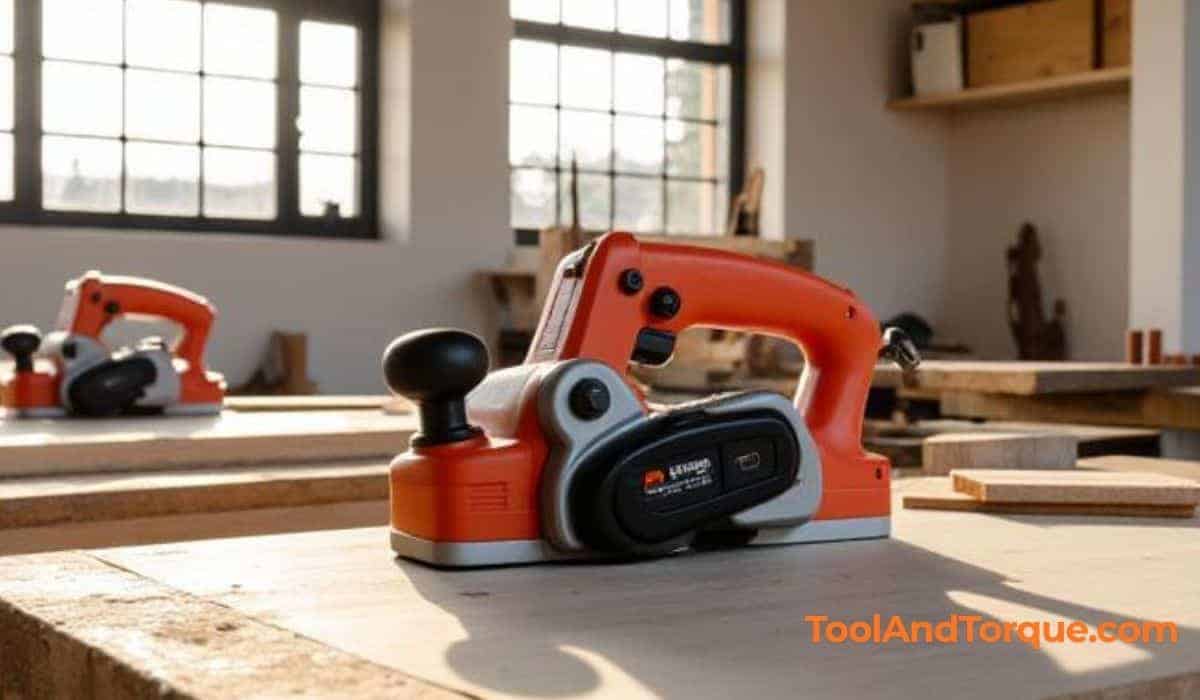
A wood planer is a valuable tool for anyone working with wood, from hobbyists to professionals. Its purpose is simple: to make wooden boards smooth, flat, and even in thickness. Yet, the tool itself and how it’s used can be confusing for beginners. This article will clarify what a wood planer is, how it works, the types available, their uses, and practical tips for choosing and using one. Whether you’re building furniture, fixing old doors, or preparing wood for a project, knowing about wood planers can help you achieve better results, save time, and avoid common mistakes.
Table of Contents
What Is A Wood Planer?
A wood planer is a tool for leveling and smoothing wood surfaces. It shaves off thin layers from the top of a board, making the surface flat and reducing the thickness. The tool’s main job is to create boards that are uniform in thickness and smooth to the touch.
Basic Function
A planer uses a sharp blade (or blades) to cut away the top layer of wood. The board is pushed through the machine, and the blade removes small amounts at a time. With each pass, the board becomes flatter and more even.
Why Use A Wood Planer?
Wood is often rough and uneven when bought from a lumber yard. Planers make wood ready for projects by:
- Making boards flat
- Ensuring boards have the same thickness
- Creating a smooth surface for painting or varnishing
These qualities are important in furniture making, carpentry, and home repairs.
Types Of Wood Planers
There are several kinds of wood planers, each suited to different tasks and skill levels. Choosing the right type depends on your needs, workspace, and budget.
| Type | Main Use | Skill Level | Price Range |
|---|---|---|---|
| Hand Planer | Small jobs, edges, detail work | Beginner to expert | $20–$100 |
| Electric Hand Planer | Quick surface smoothing | Beginner to intermediate | $50–$300 |
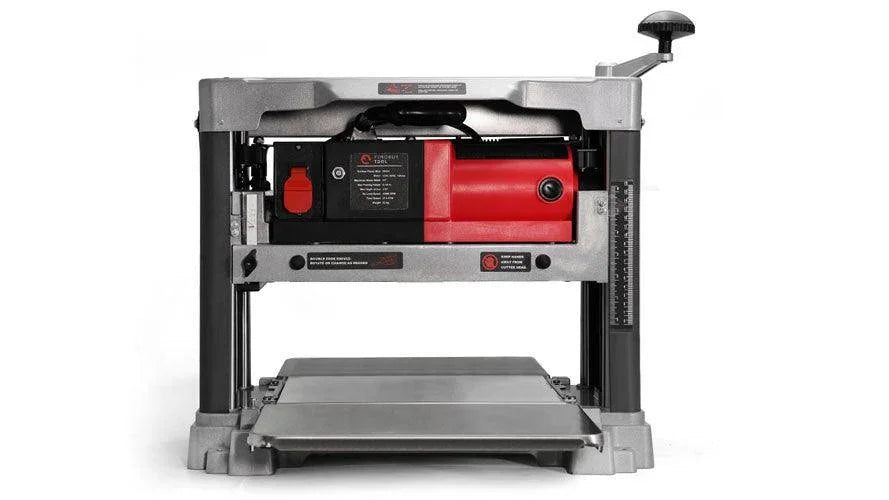
| Benchtop Planer | Board thicknessing, larger projects | Intermediate to expert | $250–$700 |
| Stationary Planer | High-volume, professional use | Expert | $1,000–$5,000+ |
Hand Planer
The hand planer is simple and traditional. It requires manual force. You push it across the wood, controlling the depth and smoothness. This type is best for small jobs, edges, and fine detail work. It’s quiet and does not need electricity.
Electric Hand Planer
The electric hand planer is a modern upgrade. It works faster and requires less effort. The user guides the tool, and a motor spins the blade. It’s popular for quick surface work, especially when preparing boards for fitting or repair.
Benchtop Planer
The benchtop planer is a compact machine that sits on a workbench. It pulls the board through using rollers. This type is ideal for making many boards the same thickness. Most home workshops use benchtop planers for their balance of size, power, and price.
Stationary Planer
The stationary planer is large and powerful. It’s found in professional workshops or factories. These machines handle big volumes of wood and can run for hours. They are expensive and need a dedicated space.
How Does A Wood Planer Work?
The principle behind a wood planer is straightforward: remove material to create a flat, smooth, and even board. The process is similar for all types, but the method changes with each tool.
Key Parts
- Blade or cutterhead: The sharp part that cuts wood
- Feed rollers: Move the wood through the machine (in benchtop and stationary planers)
- Depth adjustment: Sets how much wood is removed per pass
- Base plate: Keeps the tool level and steady
Operation
- Adjust the depth: Decide how much wood to remove.
- Position the board: Place the wood so it enters straight.
- Feed or push: Move the board through the machine (or move the hand planer across the board).
- Inspect: Check for smoothness, flatness, and thickness.
- Repeat: Pass again if needed, but remove only small amounts each time.
Removing too much wood in one pass can cause tear-out, unevenness, or damage.
Benefits Of Using A Wood Planer
Using a wood planer brings several advantages to woodworking.
- Improved surface quality: Boards are smoother and easier to finish.
- Uniform thickness: Essential for making panels, shelves, or furniture.
- Better joinery: Flat boards fit together more tightly.
- Cost savings: Allows use of rough lumber, which is cheaper than pre-planed wood.
Practical Example
If you buy rough-sawn lumber, it can cost 30% less than finished boards. A planer lets you process this wood yourself, saving money and giving more control over the final look.

Choosing The Right Wood Planer
Selecting a wood planer depends on your projects, skill level, and workshop space. Here are important factors to consider:
Factors That Matter
- Board width capacity: Most benchtop planers handle boards up to 12–13 inches wide. Stationary planers can handle larger boards.
- Power: Higher horsepower means faster work and less strain on the motor.
- Depth of cut: Planers usually remove 1/16 to 1/8 inch per pass. Adjustable depth gives more flexibility.
- Blade type: Some planers use straight blades, others use helical (spiral) blades. Helical blades are quieter and leave a smoother finish.
- Dust collection: Planing creates lots of chips and dust. Good dust collection keeps the workspace clean and reduces health risks.
- Budget: Prices range from $20 for a hand planer to thousands for industrial machines.
| Feature | Benchtop Planer | Stationary Planer |
|---|---|---|
| Width Capacity | 12–13 inches | 20+ inches |
| Power | 1–2 HP | 3–5 HP |
| Dust Collection | Basic or optional | Advanced system |
| Price | $250–$700 | $1,000–$5,000+ |
Common Mistakes When Choosing
- Ignoring dust collection: Wood chips can quickly cover the floor and cause breathing problems.
- Overestimating needs: Beginners may buy large machines they rarely use.
- Choosing low-quality blades: Poor blades wear out fast and leave rough surfaces.
Using A Wood Planer: Safety And Technique
Proper technique and safety are crucial for good results and injury prevention.
Safety Tips
- Always wear eye protection and a dust mask.
- Keep hands away from blades.
- Never force the board; let the machine do the work.
- Check for nails or metal in the wood before planing.
- Secure loose clothing and tie back long hair.
Technique For Best Results
- Remove small amounts per pass. Removing too much can cause tear-out and damage.
- Feed boards with the grain. Planing against the grain causes rough surfaces.
- Inspect boards after each pass. Look for uneven spots, snipe (a dip at the end of the board), and rough edges.
- Use support rollers for long boards to prevent tipping.
Practical Example
If you plane a board too quickly or with the grain running the wrong direction, you may see tear-out—places where the wood is ripped instead of cut. This is a common mistake for beginners.
Maintenance And Care
A well-maintained wood planer lasts longer and produces better results.
Key Maintenance Tasks
- Keep blades sharp. Dull blades leave rough surfaces and strain the motor.
- Clean dust and chips after every use.
- Oil moving parts as recommended by the manufacturer.
- Check and adjust roller alignment for smooth feeding.
- Replace blades or cutterheads when they show signs of wear.
Neglecting maintenance can lead to poor performance, safety risks, and expensive repairs.
Wood Planer Vs. Jointer
People often confuse wood planers with jointers. Both tools work with wood surfaces, but their roles are different.
| Feature | Wood Planer | Jointer |
|---|---|---|
| Main Purpose | Flatten and reduce thickness | Straighten one edge or face |
| Surface Treated | Top and bottom | Edge or face |
| Best For | Uniform boards | Preparing edges for joining |
A wood planer makes boards flat and even in thickness. A jointer creates a straight edge or face, which is important when gluing boards together. For many projects, both tools are needed.
:max_bytes(150000):strip_icc()/DB_2691_preview_maxWidth_2000_maxHeight_2000_ppi_300_quality_70_embedMetadata_true-9044dffc1de5468c93d8bff0d2072d64.jpg)
Real-world Uses Of Wood Planers
Wood planers are used in many situations, from home DIY to professional carpentry.
Furniture Making
Smooth, uniform boards are essential for tables, chairs, and cabinets. Planers help create panels that fit together well and look professional.
Home Repairs
Old doors, floors, and trim often need to be planed to fit correctly. A planer can remove paint, level warped boards, and make wood ready for refinishing.
Custom Woodworking
Custom projects often use rough lumber, which is cheaper and allows more creativity. A planer turns rough boards into usable material, saving costs and providing more options.
Practical Insight
Many beginners overlook the value of using rough lumber. With a planer, you can buy cheaper wood, process it yourself, and get exactly the size and finish you need. This approach also helps you avoid the limited choices of pre-cut boards.
Frequently Asked Questions
What Is The Difference Between A Wood Planer And A Jointer?
A wood planer makes boards flat and even in thickness, while a jointer straightens one edge or face. Both are important, but they serve different roles in woodworking.
Can I Use A Wood Planer On Painted Or Reclaimed Wood?
Yes, but check for nails, screws, or metal before planing. Metal can damage the blades and cause injury. Painted surfaces may clog the blades, so clean the wood before use.
How Much Wood Should I Remove Per Pass?
Most planers can safely remove 1/16 to 1/8 inch per pass. Taking off too much at once can cause tear-out or strain the motor. Several light passes are better than one heavy cut.
Do I Need To Sharpen Wood Planer Blades Often?
Yes. Sharp blades make smoother cuts and reduce strain. For regular use, check blades every few weeks. Replace or sharpen them as needed for best results.
Is A Wood Planer Worth Buying For Home Projects?
If you work with wood regularly, a planer can improve quality and save money. It lets you use rough lumber, customize thickness, and produce smoother finishes. For occasional work, a hand planer or electric hand planer may be enough.
Last Word
Working with wood planers opens up many possibilities in woodworking. These tools make it easier to create professional-looking projects, save money, and use a wider range of materials. Choosing the right planer, using safe techniques, and maintaining your tool will help you achieve better results.

Leave a Reply