Many people who work with screws—electricians, mechanics, DIY enthusiasts, and even computer builders—ask themselves if buying a torque screwdriver is worth it. Tools are an investment, so it’s smart to think carefully before adding another one to your kit. Let’s break down what a torque screwdriver does, why it matters, and when it’s essential, so you can make the right decision for your work.
Table of Contents
What Is A Torque Screwdriver?
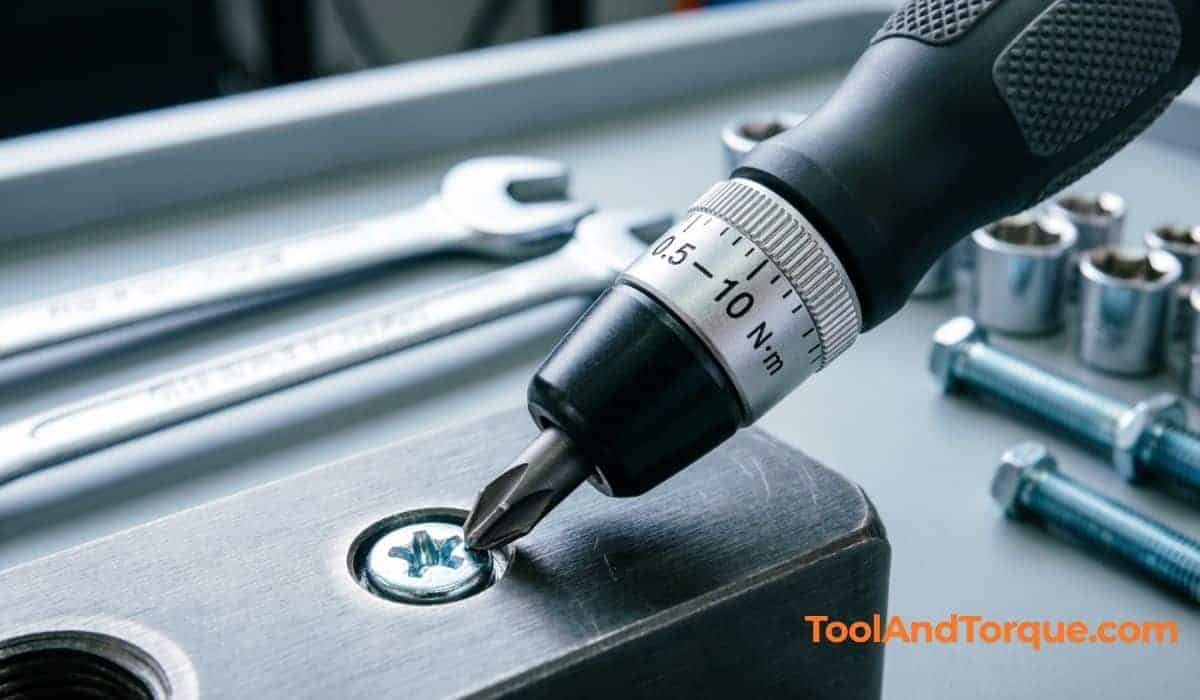
A torque screwdriver is a tool that lets you set how much turning force, or torque, you apply to a screw. Unlike a regular screwdriver, it has a built-in mechanism that stops you from going over your chosen torque. This matters because every screw has a “sweet spot”—too loose, and the connection is weak; too tight, and you risk damaging the material or stripping the screw.
Most models allow users to set torque in inch-pounds (in-lb) or Newton-meters (Nm). Once you reach the set limit, the tool “slips” or clicks, stopping you from tightening further.
| Tool Type | Torque Control | Best Use |
|---|---|---|
| Regular Screwdriver | No | General household tasks |
| Torque Screwdriver | Yes | Precision and sensitive work |
| Torque Wrench | Yes (higher torque) | Bolts and larger fasteners |
Why Torque Matters?
Torque is the force you use to turn something. With screws, applying the right torque keeps parts secure without damaging them. This is crucial in fields where safety, reliability, or electronics are involved.
- Electronics: Circuit boards, connectors, and switches can break if screws are overtightened.
- Automotive: Screws on engines or brakes need exact torque to avoid failure.
- Medical Devices: Incorrect torque can make devices unsafe.
- Construction: Structural screws need proper torque for stability.
A study in the Journal of Manufacturing Science showed that improper torque caused 30% of failures in electronic devices. This statistic highlights how important torque is, especially in professional work.
Common Situations Where You Need A Torque Screwdriver
Some jobs require precise torque. If you work in these areas, a torque screwdriver is often essential:
- Electrical Panels: Tightening terminals with the right torque prevents loose connections and fire risks.
- Computer Assembly: Motherboards and hard drives use tiny screws that can easily be stripped.
- Aircraft Maintenance: Every screw must be torqued exactly to avoid safety risks.
- Medical Equipment: Devices must be assembled to strict standards.
- Automotive Repairs: Sensors, electronic modules, and interior trim often need specific torque.
If your work involves any of these tasks, a torque screwdriver is not just helpful—it’s often a requirement.
When A Regular Screwdriver Is Enough?
For many household tasks, a regular screwdriver works just fine:
- Hanging shelves
- Assembling furniture
- Fixing door hinges
- Basic plumbing
In these cases, the exact torque is not critical. Most people can “feel” when a screw is tight enough. However, if you start working with electronics, machinery, or anything safety-related, relying on feel alone is risky.
Benefits Of Using A Torque Screwdriver
Using a torque screwdriver offers several advantages:
- Prevents damage: No stripped screws or cracked surfaces.
- Improves safety: Connections are secure, reducing risk.
- Saves money: Fewer broken parts and call-backs.
- Ensures consistency: Every screw gets the same torque.
One non-obvious benefit is quality control. In manufacturing, torque screwdrivers help workers produce consistent results, reducing product defects. Another is legal compliance—some industries have rules requiring torque tools for certain tasks.
Downsides And Limitations
Torque screwdrivers are not perfect. Consider the following before buying:
- Cost: Quality models can range from $50 to $200.
- Calibration: Tools must be checked regularly to stay accurate.
- Speed: They are slower than power tools.
- Limited use: Not needed for every task.
If you only do occasional DIY, the investment may not be justified. Calibration is another hidden issue—over time, the tool can lose accuracy, and you must send it for calibration or buy a calibrator, adding to the cost.
Types Of Torque Screwdrivers
There are several kinds of torque screwdrivers, each with strengths and weaknesses.
Manual Torque Screwdriver
Most common. You set the torque, then turn by hand. Good for precision work.
Electric Torque Screwdriver
Powered, faster, and often used in factories. Usually more expensive.
Digital Torque Screwdriver
Shows torque on a screen. Useful for detailed work and recording results.
| Type | Average Price | Main Feature |
|---|---|---|
| Manual | $60–$120 | Simple, reliable |
| Electric | $150–$300 | Fast, bulk use |
| Digital | $200–$400 | Display, data logging |
How To Choose The Right Torque Screwdriver?
If you decide you need one, here’s what to look for:
- Torque Range: Make sure the tool covers the torque settings you need. For example, electronics often need 0.5–5 Nm; automotive work may require higher.
- Accuracy: Look for tools with ±6% or better accuracy. The lower the error, the better.
- Comfort: Handle shape matters, especially if you use the tool often.
- Calibration Certificate: Reliable models come with proof of accuracy.
- Bit Compatibility: Check that the tool accepts standard bits.
Common mistake: buying a cheap tool without checking the torque range. If it doesn’t cover your needs, you will waste money. Another is ignoring calibration—uncalibrated tools can cause mistakes even if you set the right torque.
| Feature | Why It Matters |
|---|---|
| Torque Range | Matches job requirements |
| Accuracy | Ensures safety and quality |
| Calibration Certificate | Verifies precision |
| Bit Compatibility | Works with your bit set |
| Comfort | Reduces hand fatigue |
Real-world Examples
- Electricians: Using a torque screwdriver on panel terminals prevents arcing and fire. Insurance companies sometimes require proof of correct torque.
- Computer Builders: Installing a CPU cooler with the right torque prevents cracks in the motherboard. One user reported saving $300 in repair costs by avoiding overtightening.
- Manufacturing: Factories use electric torque screwdrivers to meet ISO standards. This helps avoid costly recalls.
A beginner mistake is assuming all screws need the same torque. In reality, each application may have its own requirement. Reading manuals or specs is essential.
Should You Buy One?
Ask yourself these questions:
- Do you work with sensitive electronics, machinery, or safety-critical parts?
- Are you responsible for warranty repairs or quality control?
- Is your industry regulated, requiring proper torque?
- Do you want consistent results?
If you answered yes to any, a torque screwdriver can protect your work and reputation. For occasional home repairs, it’s usually not necessary.
Maintenance And Calibration
Keeping a torque screwdriver accurate is vital. Calibration should be done every 12 months or after 5,000 uses, whichever comes first. Some brands offer calibration services, while others require a third party.
Tip: Always store your torque screwdriver at its lowest setting when not in use. This prevents spring fatigue and keeps readings accurate.
Alternatives To Torque Screwdrivers
If you’re not ready to buy, there are options:
- Torque Wrench: Useful for larger bolts, but not for small screws.
- Manual feel: For basic jobs, experienced hands can estimate torque, but this is not reliable for sensitive work.
- Pre-set tools: Some screwdrivers come with a fixed torque setting; good for repetitive tasks.
For high-stakes work, none of these alternatives offer the same precision or documentation as a proper torque screwdriver.

Frequently Asked Questions
What Is The Difference Between A Torque Screwdriver And A Regular Screwdriver?
A torque screwdriver lets you set and control the amount of force used to tighten a screw, stopping at your chosen limit. A regular screwdriver keeps turning until you stop, which can lead to overtightening or stripping.
How Often Does A Torque Screwdriver Need To Be Calibrated?
Most experts recommend calibrating every 12 months or after about 5,000 uses. If accuracy is critical for your job, check calibration more often.
Can I Use A Torque Screwdriver For All Household Repairs?
You can, but it’s not necessary for tasks like furniture assembly or hanging pictures. It’s best for jobs where precise torque is important, such as electronics or machinery.
Are Digital Torque Screwdrivers Better Than Manual Ones?
Digital models offer more features, like display screens and data logging. However, they are more expensive and may not be needed for basic jobs. Manual screwdrivers are reliable and simple to use.

Final Thoughts
A torque screwdriver is a specialized tool. If your work involves electronics, machinery, or anything safety-related, it can make a real difference in quality and reliability. For casual home repairs, it’s not essential. Buying the right model, maintaining calibration, and knowing when to use it are key for getting the most value.
Make your choice based on your work needs, not just the latest tool trends.

Leave a Reply