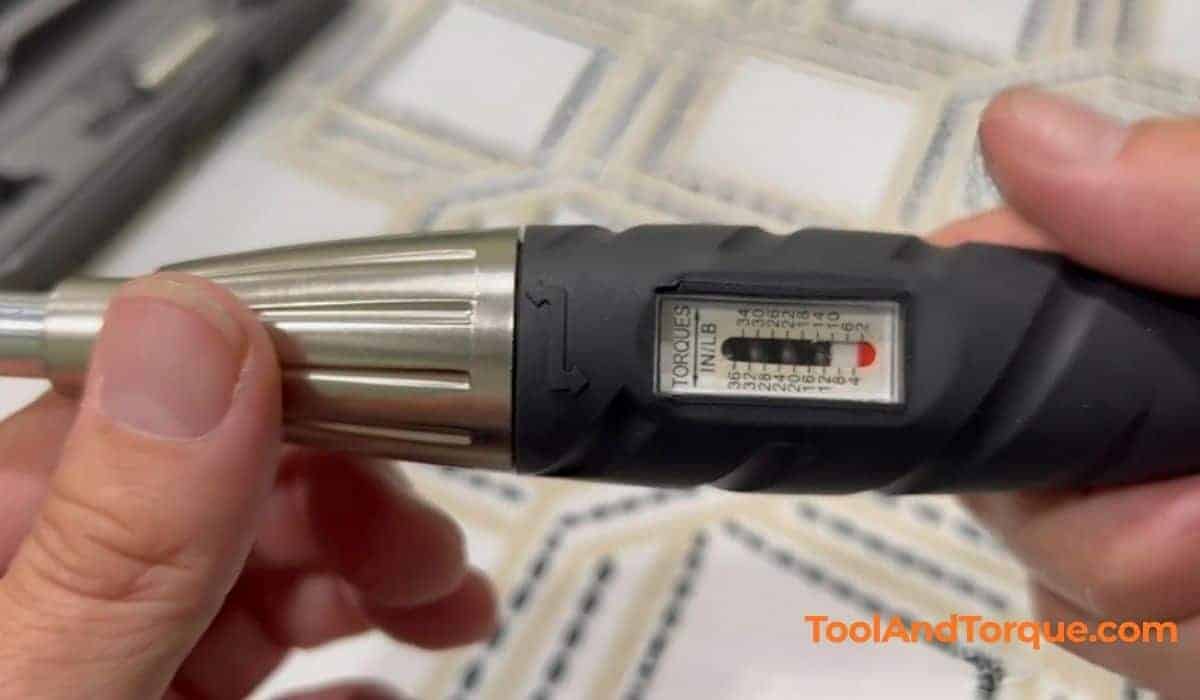
Using a torque screwdriver is essential for anyone who works with electronics, machinery, or delicate assemblies. This tool helps you apply a precise amount of torque to screws, preventing over-tightening and under-tightening. Both situations can lead to equipment failure or damage.
Many people believe regular screwdrivers are enough, but torque screwdrivers bring accuracy and reliability that standard tools cannot provide. If you want your projects to last and function safely, understanding how to use a torque screwdriver is a must.
Table of Contents
What Is A Torque Screwdriver?
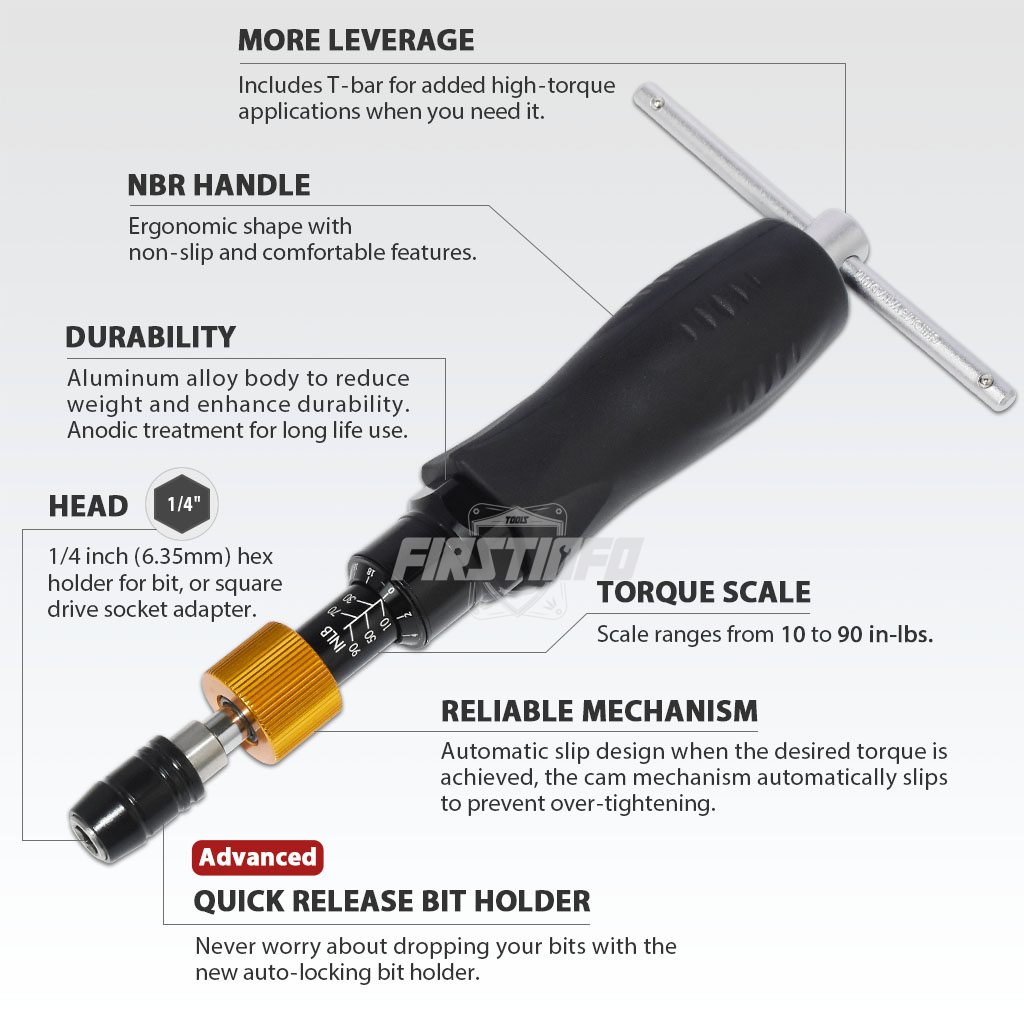
A torque screwdriver is a specialized tool designed to tighten screws to a specific torque value. Torque means the twisting force applied to a screw. This force is measured in units like inch-pounds (in-lb) or Newton-meters (Nm). Torque screwdrivers feature mechanisms such as a clutch or digital sensor to control the force. Some models even include visual or audible signals when the set torque is reached, so you know exactly when to stop.
There are several types:
- Manual: You set the torque by twisting a collar or dial. These are common for basic assembly work where you need to adjust torque often.
- Preset: The torque is fixed and cannot be adjusted. These are perfect for repetitive tasks where the same torque is always needed, like in manufacturing lines.
- Electronic: Digital readouts show the applied force, allowing for more precise control. Some electronic models can store data or connect to a computer for quality tracking.
These tools are common in industries like aerospace, automotive, and electronics. For example, circuit boards require exact screw tightness to avoid damaging components. In factories, torque screwdrivers help maintain product quality by ensuring every screw is tightened to the same standard, reducing errors and warranty claims.
Why Torque Matters?
Applying the right torque is critical for safety and performance. Too much torque can strip threads, break screws, or damage materials. Too little torque can leave screws loose, leading to vibration, leaks, or electrical failures. This is especially important for electronics, where even a tiny crack from over-tightening can ruin a circuit.
In medical device assembly, a loose screw could cause malfunction. In automotive work, incorrect torque can affect steering or braking. According to a study by the Journal of Mechanical Engineering, improper torque is responsible for over 30% of equipment failures in manufacturing.
This means using the correct tool and following torque guidelines can prevent costly downtime and repairs.
Another detail often missed: fasteners in high-vibration environments (like cars or planes) require correct torque to avoid “backing out” over time. If torque is too low, the screw may slowly loosen on its own, causing subtle but dangerous failures.
Choosing The Right Torque Screwdriver
Selecting the best torque screwdriver depends on your needs:
| Type | Best For | Torque Range | Precision |
|---|---|---|---|
| Manual Adjustable | General assembly | 10–80 in-lb | Good |
| Preset | Repeated tasks | Fixed value | Very good |
| Electronic | High accuracy | 5–100 in-lb | Excellent |
Key factors to consider:
- Torque range: Make sure the tool covers the values you need. For example, if working with both plastics and metals, you may need a wider range.
- Accuracy: Electronic models offer the best precision and often have calibration reminders.
- Comfort: Look for ergonomic handles to reduce fatigue during long projects. A comfortable grip helps you control the tool better, especially with repetitive work.
- Calibration: Some models need regular calibration for accuracy. Check if calibration services are easy to access in your area.
Common buyer mistakes include ignoring the torque range, buying too cheap (leading to poor accuracy), and skipping calibration checks. Some also forget to consider bit compatibility, which can cause frustration if your bits don’t fit the tool.
Setting Up A Torque Screwdriver
Before using the tool, check its calibration. Calibration ensures the torque value is correct. Most manufacturers recommend calibrating every 12 months or after 5,000 uses. Some electronic models have built-in reminders. Calibration is often overlooked, but it’s as important as choosing the right screwdriver.
To set up:
- Check the manufacturer’s instructions. Different brands may have unique features or safety steps.
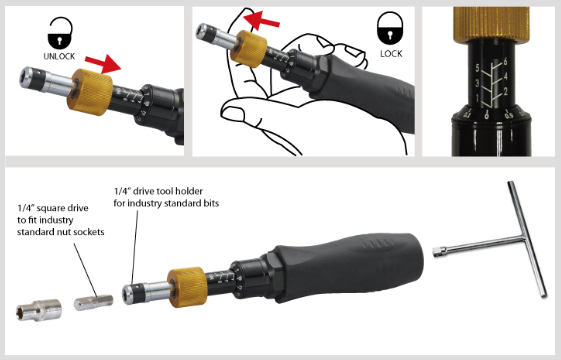
- Select the correct torque value using the dial or digital panel. For example, if your device requires 15 in-lb, set exactly that.
- Attach the right bit for your screw type (Phillips, flat, hex). Using the correct bit prevents slipping and damage.
- Secure the bit tightly to avoid wobbling. A loose bit can throw off your torque reading.
Electronic models often have a screen showing the selected torque. Manual models usually have a click or break mechanism indicating when the set torque is reached. Some manual types also have color-coded scales for easier adjustment.
Always double-check the bit size and type before starting. Even small mismatches can lead to stripped screws or incorrect torque.
Using A Torque Screwdriver
Using a torque screwdriver is simple, but accuracy demands attention and patience. Rushing can easily lead to mistakes.
Preparation
- Clean the screw and hole to remove dirt or debris. Even a small amount of dust can affect the torque reading.
- Align the screwdriver with the screw head. Misalignment can cause the bit to slip, damaging the screw and reducing accuracy.
- Hold the tool firmly, but avoid excessive force. Let the tool do most of the work.
Tightening Screws
- Set the desired torque on your screwdriver.
- Insert the bit into the screw head.
- Apply pressure and rotate the handle.
- Stop when the tool clicks or signals the torque is reached.
For electronic tools, a beep or light may indicate the correct torque. On some advanced models, the display will also show real-time force, so you can adjust as you go.
Take your time with each screw. Consistency matters, especially if you’re working on a series of fasteners. If you feel the screw turning unusually easily or with resistance, pause and check for cross-threading or wrong bit size.
Common Mistakes
- Over-tightening: Ignoring the click or signal and continuing to turn. This is easy to do if you’re distracted or in a hurry.
- Under-tightening: Not waiting for the signal, stopping too soon. This can happen if the tool is unfamiliar or the signal is subtle.
- Wrong bit selection: Using the wrong bit damages the screw and reduces torque accuracy. Always check both size and type.
Other frequent errors include using a torque screwdriver as a regular screwdriver (which can wear out the mechanism) and not resetting the torque value when switching between tasks.
Maintenance And Calibration
Proper care extends the life of your torque screwdriver and maintains accuracy. Neglecting maintenance can lead to poor results and even tool failure.
Maintenance Tips
- Store the tool in a dry place. Humidity can cause rust or corrosion, especially on metal parts.
- Clean after each use, especially the bit and handle. Dust, oil, and debris can affect the mechanism over time.
- Check for wear or damage regularly. Small cracks or bent parts can change how the tool works.
- Lubricate moving parts if recommended. Use only the lubricant specified by the manufacturer.
If you use your tool in harsh environments (like outdoors or in factories), increase cleaning frequency. Keeping the tool in its case when not in use also helps protect calibration.
Calibration
Regular calibration is crucial. Calibration involves comparing the tool’s output with a standard and adjusting if needed. Some users skip this step, thinking it’s unnecessary, but it is vital for maintaining consistent results.
| Calibration Frequency | Model Type | Typical Method |
|---|---|---|
| Every 12 months | Manual | Torque tester |
| Every 6 months | Electronic | Digital calibration tool |
| Every 10,000 uses | Preset | Factory calibration |
If the screwdriver is used in critical applications, calibrate more often. Many repair shops offer calibration services. Skipping calibration is a frequent mistake, leading to unreliable torque and possible equipment failure.
If you notice inconsistent results or hear unusual sounds from your tool, schedule a calibration immediately.
Safety Considerations
Safety is important when working with torque screwdrivers. Misuse can cause injury or damage, especially if you’re working with sensitive or expensive equipment.
- Wear gloves if working with sharp objects or chemicals. Gloves can also reduce hand fatigue.
- Avoid sudden movements; allow the tool to do its job. Applying force too quickly can slip the bit or injure your wrist.
- Check for damaged bits; replace them immediately. Damaged bits can break off during use.
- Use the right tool for the job; forcing a torque screwdriver as a pry tool can break it.
A study from the US Consumer Product Safety Commission reports that tool misuse causes over 20,000 injuries yearly. Always read the manual before using a new tool, and keep your workspace organized to avoid accidents.
Another overlooked safety tip: keep your hands dry and free from oil or grease, as a firm grip is important for control.
Practical Examples
Torque screwdrivers are used in many fields:
- Electronics assembly: Tightening screws on circuit boards. Precise torque prevents board cracks and short circuits.
- Automotive repair: Securing bolts in engines or brakes. Mechanics rely on exact torque to ensure car safety.
- Medical device manufacturing: Fastening parts in surgical equipment. A single loose screw can mean device failure during surgery.
- Aerospace engineering: Fixing panels and components in aircraft. In this field, even a small mistake can have serious consequences.
For instance, when assembling a hard drive, the screws must be tightened to exactly 5 in-lb. Too much torque can crack the casing; too little can lead to vibration. In automotive work, brake caliper screws often need 25–30 in-lb for safety.
Another real-world example: in solar panel installation, screws must be tightened precisely to avoid micro-cracks in glass or lose panels during strong winds.
How Torque Screwdrivers Compare To Other Tools?
Torque screwdrivers differ from regular screwdrivers and torque wrenches. Here’s a comparison:
| Tool | Best Use | Torque Control | Typical Range |
|---|---|---|---|
| Torque Screwdriver | Small screws, electronics | High precision | 5–100 in-lb |
| Torque Wrench | Bolt tightening, automotive | Moderate precision | 50–250 ft-lb |
| Regular Screwdriver | General household tasks | No control | Unknown |
Torque screwdrivers are ideal for applications where precise torque is necessary. Regular screwdrivers are not suitable for sensitive tasks. Torque wrenches are better for larger fasteners.
A common mistake is trying to use a torque wrench for small screws—it won’t give accurate results and can damage the fastener.
Non-obvious Insights
Many beginners overlook two important points:
- Temperature affects torque readings. If you use the tool in a hot or cold environment, the torque mechanism can change. Always calibrate at the working temperature. For example, a tool calibrated in a cool workshop may read differently if used in a hot factory.
- Bit wear alters torque accuracy. Worn bits slip and reduce the force applied. Inspect bits regularly and replace them when worn.
Another detail: different materials need different torque values. For example, plastic screws require less torque than steel. Always check the manufacturer’s torque recommendations.
Also, remember that lubrication on screws can affect torque. A lubricated screw will need less force, so adjust your settings if your work involves oily or greased parts.
Troubleshooting
If your torque screwdriver is not working as expected:
- Check the bit: If it slips, replace it.
- Review calibration: If the tool is inaccurate, get it calibrated.
- Inspect the mechanism: For manual models, check the clutch or spring.
- Battery check: For electronic models, low battery can cause errors.
If problems persist, contact the manufacturer. Most provide support and repair services. Sometimes, small parts like springs or sensors can wear out, but replacement is often possible.
If your torque readings are inconsistent, try using the tool on a test screw with a known torque value. This helps identify if the issue is with technique, bit, or the tool itself.
Frequently Asked Questions
How Do I Know What Torque Value To Use?
Check the screw or equipment manufacturer’s specifications. Using the right torque prevents damage and ensures safety.
Can I Use A Torque Screwdriver For All Screws?
You can use it for most, but it’s best for screws needing precise torque. For general household tasks, a regular screwdriver may be sufficient.
How Often Should I Calibrate My Torque Screwdriver?
Most recommend calibration every 12 months or after heavy use. For critical applications, calibrate more often.
What Is The Difference Between A Torque Screwdriver And A Torque Wrench?
A torque screwdriver is for small screws and offers high precision. A torque wrench is for larger bolts and fasteners with moderate precision.
Final Word
Using a torque screwdriver correctly ensures your work is safe, reliable, and professional. Taking care to select the right tool, calibrate it, and use proper technique will help you avoid common mistakes and deliver quality results. Whether you’re working in electronics, automotive, or any field requiring precision, this tool brings accuracy and peace of mind.
With practice and attention to detail, you can master torque screwdrivers and improve the quality of all your projects.


Leave a Reply