Many people shopping for power tools notice the term brushless on drills, saws, and other devices. This word signals a major change in how tools operate. Brushless tools are now common in both professional and home workshops. The difference affects performance, durability, and even energy use. Knowing what “brushless” means helps you decide which tool is right for your needs.
Table of Contents
What Is A Brushless Tool?
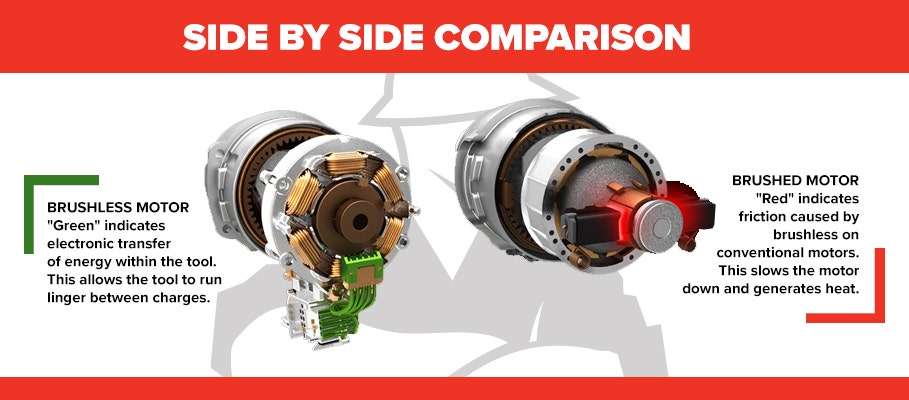
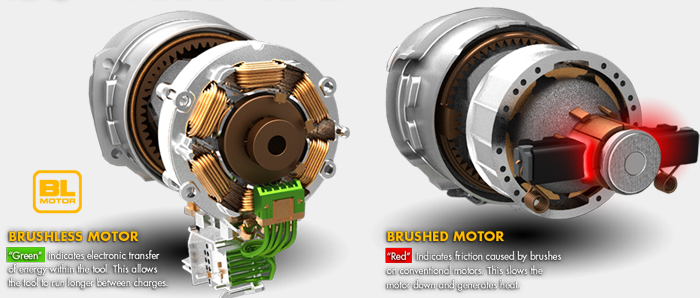
Traditional electric motors use carbon brushes to transfer electricity. These brushes touch a spinning part called the commutator. When the motor runs, friction and heat build up. Over time, brushes wear down and need replacement.
Brushless tools use a different design. Instead of carbon brushes, they rely on electronics to control the motor. Sensors detect the motor’s position and adjust power automatically. The result is less friction, fewer moving parts, and more efficient operation.
What are brushless motor tools
How Brushless Motors Work?
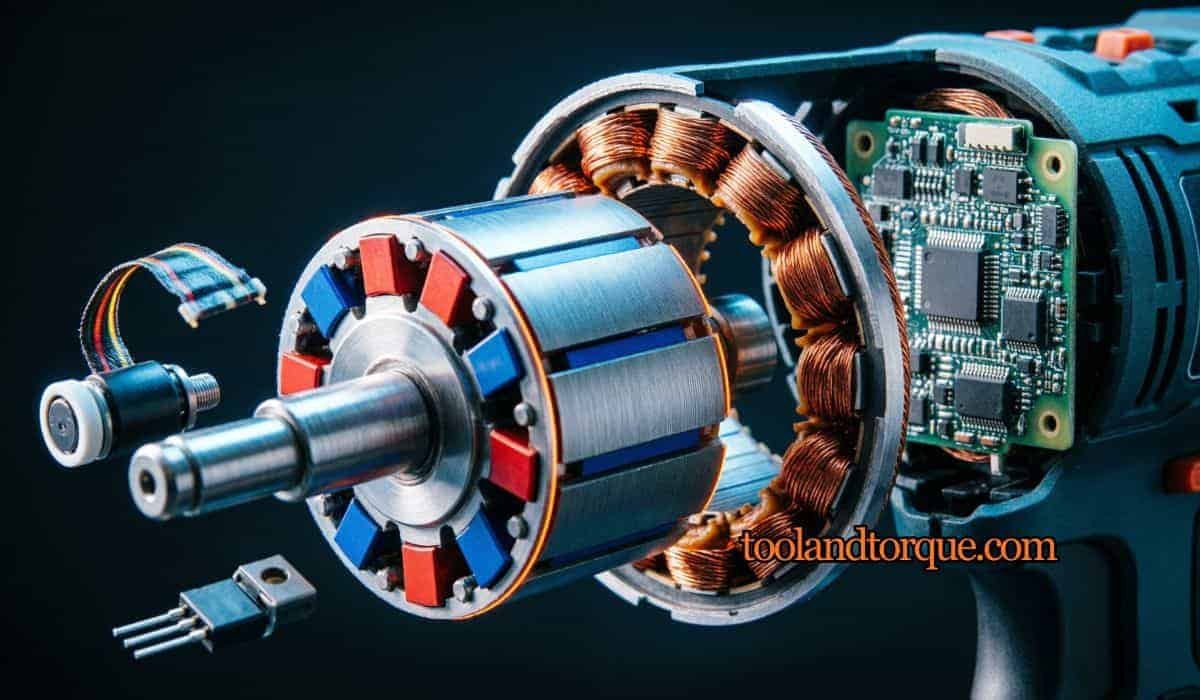
In a brushless motor, the rotor (the spinning part) contains magnets. The stator (the stationary part) has coils. An electronic controller sends electricity to the coils in the right sequence. This creates a rotating magnetic field, which spins the rotor. No brushes are needed.
This process allows brushless motors to:
- Run cooler
- Last longer
- Use energy more efficiently
Here is a simple comparison between brushed and brushless motors:
| Feature | Brushed Motor | Brushless Motor |
|---|---|---|
| Friction | High (from brushes) | Low |
| Maintenance | Brush replacement needed | Very little |
| Efficiency | Lower | Higher |
| Heat buildup | More | Less |
Advantages Of Brushless Tools
Brushless tools have several clear benefits:
- Longer lifespan: With fewer parts wearing out, brushless tools last longer. Manufacturers often claim 30%–50% more life compared to brushed tools.
- Better performance: Brushless motors deliver more power without overheating. Many cordless drills, for example, have higher torque and speed.
- Less maintenance: No brushes means less time spent on repairs. This is especially important for professionals using tools daily.
- Improved battery life: Brushless motors use energy more efficiently. Tests show cordless tools often run 40% longer per charge.
- Quieter operation: Less friction means less noise. This is noticeable in grinders, drills, and saws.
A survey by a leading tool manufacturer showed that over 70% of users reported better battery performance with brushless models.
Best Way to Clean Concrete Tools
Brushless Vs Brushed: Real-world Examples
Cordless drills are a common example. A brushless drill can deliver consistent power even as the battery drains. In contrast, a brushed drill may slow down or overheat.
Below is a comparison of typical battery runtime for drills:
| Drill Type | Average Runtime (minutes) | Average Torque (in-lbs) |
|---|---|---|
| Brushed | 20 | 350 |
| Brushless | 28 | 500 |
Brushless motors are also used in cordless impact drivers. These tools require bursts of power. Brushless models can handle tough jobs like driving large screws without slowing down.
Common Myths About Brushless Tools
Some people think brushless tools are only for professionals or that they are always expensive. In reality, prices have dropped, and many brands now offer affordable brushless options.
Another common myth is that brushless tools are harder to repair. While the electronics are more complex, the lack of brushes means fewer parts fail. For most users, less maintenance outweighs repair complexity.
Choosing A Brushless Tool
When deciding if a brushless tool is right for you, consider:
- Usage frequency: If you use tools often, brushless is worth the investment.
- Type of work: For heavy tasks or projects needing long battery life, brushless models perform better.
- Budget: While brushless tools cost more up front, they can save money over time with fewer repairs.
Here is a simple comparison to help decide:
| Factor | Brushed | Brushless |
|---|---|---|
| Initial cost | Lower | Higher |
| Running cost | Higher (more maintenance) | Lower |
| Power | Standard | High |
| Battery life | Shorter | Longer |
Non-obvious Insights
- Brushless tools adjust power automatically. This means the tool uses only as much energy as needed for the task. For example, a brushless drill uses less power for light work and more for tough jobs.
- Brushless motors can be smaller. This allows tool makers to create compact tools without sacrificing power. Smaller tools are easier to handle in tight spaces.
Difference Between Drill and Impact Driver
Practical Tips For Buyers
- Test the tool before buying. Brushless models often feel lighter and smoother.
- Check battery compatibility. Some brands use special batteries for brushless tools.
- Read warranty details. Many brands offer longer warranties for brushless models.

Frequently Asked Questions
What Does Brushless Mean In A Drill?
A brushless drill uses an electronic controller instead of carbon brushes. This reduces friction and increases efficiency. The result is a tool that lasts longer and performs better.
Are Brushless Tools Worth The Extra Cost?
Yes, especially for frequent users. Brushless tools often save money in the long run due to lower maintenance and longer battery life.
Do Brushless Motors Work Better In All Tools?
Brushless motors improve performance in most battery-powered tools, such as drills, impact drivers, and saws. For basic tasks, brushed tools can still work well.
How Long Do Brushless Tools Last?
Many brushless tools last years longer than brushed models. Manufacturers claim up to 50% more life, depending on use and maintenance.
Are Milwaukee M18 cordless tools brushless
Finally
Brushless technology has changed the tool industry. With benefits like longer life, better performance, and improved battery use, many users now prefer brushless models. Understanding how brushless motors work helps you make smarter choices for your workshop.

Leave a Reply