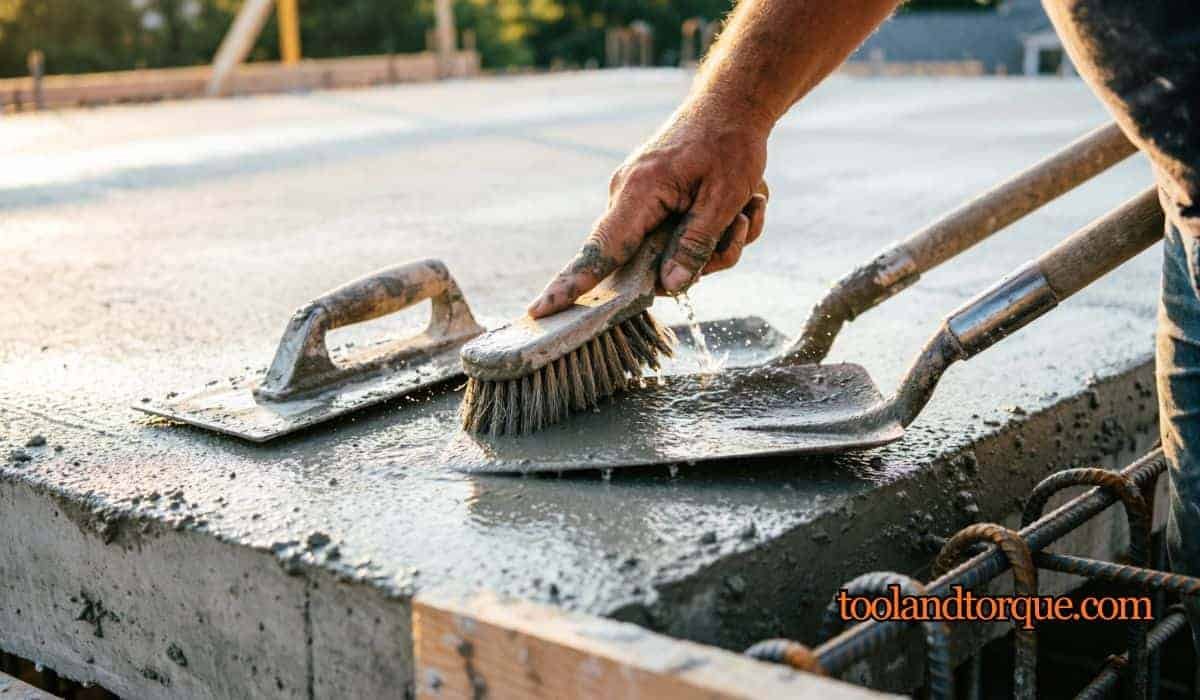
Cleaning concrete tools is a vital skill for anyone working with cement, mortar, or concrete. Proper cleaning keeps tools in good condition, prevents rust, and saves money. Whether you are a construction worker, DIY enthusiast, or professional, knowing the best ways to clean concrete tools will help you finish projects faster and safer.
Many people do not realize that leftover concrete can ruin tools quickly, making it difficult to use them for future jobs.
Table of Contents
Why Clean Concrete Tools?
Concrete dries fast. Once it hardens, it sticks to tools and can damage them. Dirty tools can cause poor workmanship, waste time, and even lead to injuries. Cleaning tools right after use ensures they last longer and perform better. According to the Portland Cement Association, tools that are not cleaned properly can lose up to 50% of their lifespan.
Essential Cleaning Supplies
To clean concrete tools, you need only a few basic items:
- Water source (hose or bucket)
- Wire brush or stiff-bristled brush
- Scraper or putty knife
- Protective gloves
- Mild detergent or soap
- Buckets
- Safety goggles
Some people use vinegar or muriatic acid for stubborn concrete, but these should be handled with care. Always use safety gear to avoid skin or eye irritation.

Cleaning Methods For Concrete Tools
Different tools require slightly different cleaning approaches. Here’s how to handle common types.
| Tool Type | Recommended Cleaning | Drying Method |
|---|---|---|
| Trowel | Scrape off concrete, scrub with brush and water | Air dry or towel |
| Wheelbarrow | Hose out, scrub sides, remove dried chunks | Air dry |
| Mixing bucket | Rinse, scrape edges, use detergent | Air dry upside down |
| Concrete saw | Wipe with damp cloth, avoid water on motor | Wipe dry |
Step-by-step Guide To Cleaning
- Remove wet concrete: As soon as you finish, use a scraper or brush to get rid of excess.
- Rinse with water: Use a hose or bucket to wash away leftover cement. If concrete is already dry, soak the tool to soften the residue.
- Scrub thoroughly: Use a wire brush to clean all surfaces, focusing on corners and edges.
- Apply detergent: For stubborn spots, add mild detergent and scrub again. Avoid harsh chemicals unless necessary.
- Check for rust: After cleaning, inspect tools for any signs of rust. If you see rust, use sandpaper or a wire brush to remove it.
- Dry tools: Dry all tools completely to prevent rust. Air drying is best, but wiping with a towel works too.
- Store properly: Keep tools in a dry, safe place to avoid moisture and damage.
Many beginners forget to dry their tools. This simple step stops rust and extends tool life.
Removing Hardened Concrete
Sometimes concrete dries before you can clean it. Here are ways to handle tough residues:
- Soak in water: Leave tools in a bucket of water overnight. The moisture softens the concrete, making it easier to scrape off.
- Use vinegar: Vinegar can loosen thin layers of concrete. Apply, wait 30 minutes, then scrub.
- Muriatic acid: For thick residue, use diluted muriatic acid (1 part acid to 10 parts water). Always wear gloves and goggles. Rinse tools well after treatment.
| Cleaning Method | Effectiveness | Safety Risk |
|---|---|---|
| Water soak | Moderate | Low |
| Vinegar | High on thin residue | Low |
| Muriatic acid | Very high | High |
Avoid using metal grinders unless absolutely necessary. They can scratch or damage tools.
Tips For Best Results
- Clean tools as soon as possible after use.
- Always wear gloves and goggles when handling chemicals.
- Keep brushes and scrapers clean for better performance.
- Never leave tools outside in the rain.
- For power tools, avoid water and use damp cloths only.
Most people overlook tool storage. Keeping tools dry is just as important as cleaning them.

Comparing Cleaning Agents
Here’s how some common cleaning agents perform:
| Agent | Uses | Cost | Environmental Impact |
|---|---|---|---|
| Soap | Basic cleaning | Low | Safe |
| Vinegar | Light concrete removal | Low | Safe |
| Muriatic acid | Heavy-duty cleaning | Medium | Hazardous |
Soap and vinegar are safe for most users. Muriatic acid is powerful but should only be used when other methods fail.
Common Mistakes To Avoid
- Waiting too long to clean tools
- Using too much force and damaging tools
- Forgetting safety gear
- Leaving tools wet or outside
- Using strong chemicals without proper ventilation
A surprising mistake is using paint thinner, which does not help with concrete and may damage tools.
Frequently Asked Questions
How Often Should Concrete Tools Be Cleaned?
Every time you use them. Cleaning after each job prevents buildup and extends tool life.
What Is The Safest Cleaning Agent For Concrete Tools?
Soap and water are safest. They are easy to use and do not harm the tools or the user.
Can I Use Muriatic Acid For All Tools?
No. Use muriatic acid only for metal tools with thick, hardened concrete. Avoid using it on plastic or coated tools.
How Can I Prevent Rust After Cleaning?
Dry tools completely and store them in a dry place. A light oil coating can help protect metal tools.
Finally
Cleaning concrete tools is simple, but doing it right makes a big difference. It saves money, improves results, and keeps your work safe. By following these tips and methods, you can keep your tools in top shape for years to come.

Leave a Reply