A rotary tool flex shaft is a helpful accessory for rotary tools, often used by hobbyists, craftsmen, and professionals. It gives extra flexibility, making work easier, safer, and more precise. Whether you build models, repair jewelry, or handle small repairs, the flex shaft can improve your results. Let’s see what makes this tool so useful and why it matters for many tasks.
Table of Contents
What Is A Rotary Tool Flex Shaft?
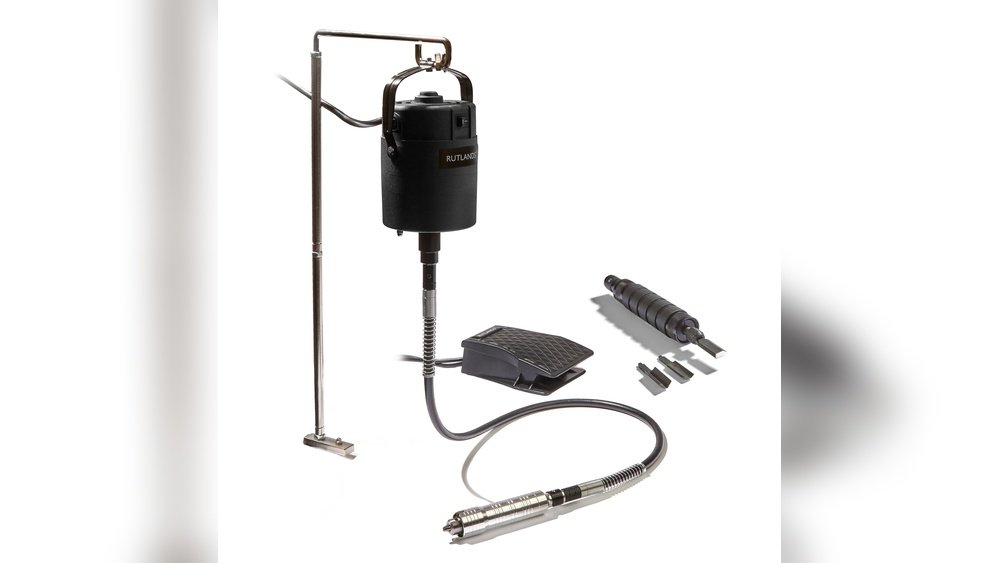
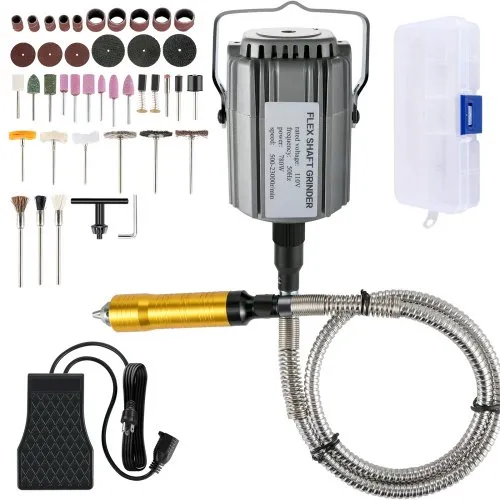
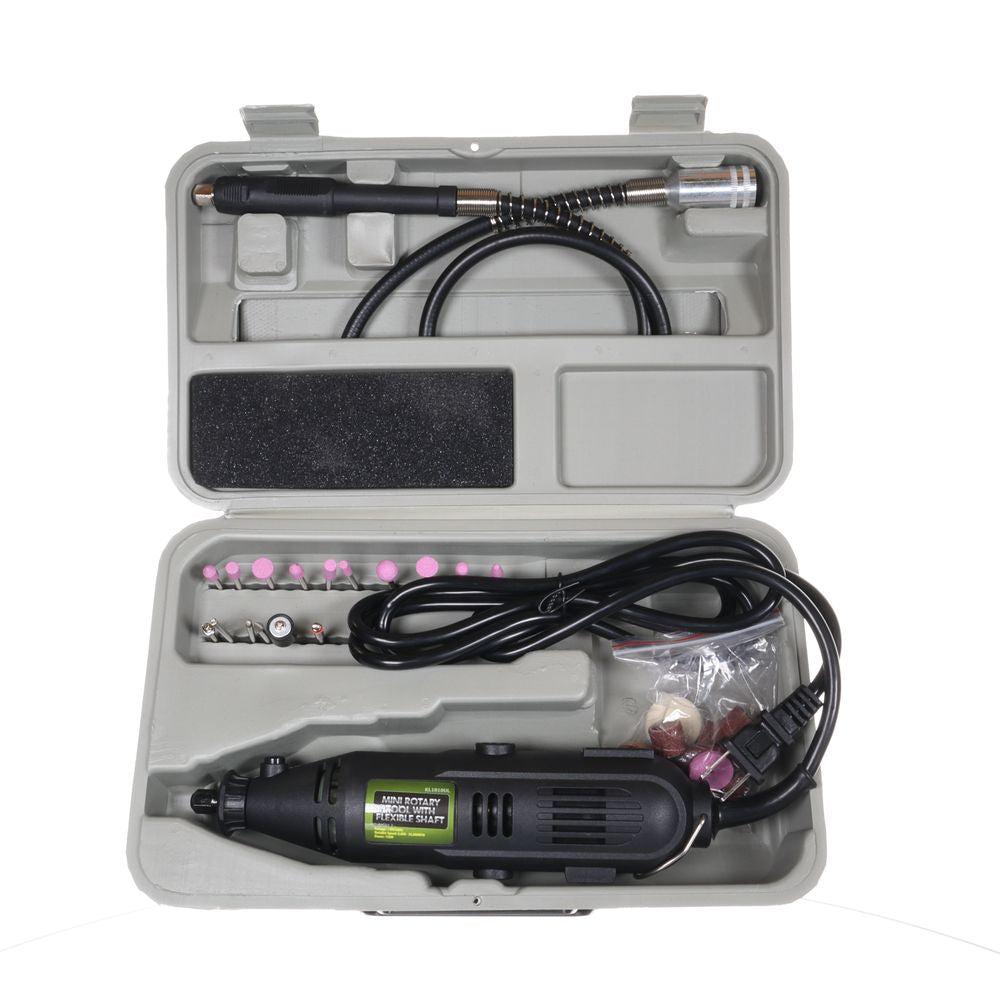
A rotary tool flex shaft is a flexible cable that connects to a rotary tool, like a Dremel. The cable transfers power from the main tool to a smaller handpiece at the end. This handpiece is lighter and easier to hold than the rotary tool itself. The flex shaft lets you work with more control and less fatigue.
The main rotary tool stays in one place, often on a bench or table. The flex shaft extends out, allowing you to reach tricky spots. Most flex shafts are about 3–6 feet long. The handpiece accepts different bits, such as grinding stones, cutting wheels, or polishing tips.
This makes it suitable for many tasks.
Why Use A Flex Shaft?
The flex shaft adds several benefits to rotary tools:
- Comfort: The handpiece is slim and light, so your hand won’t get tired quickly.
- Precision: You can make finer movements, which is important for detailed tasks.
- Safety: The main rotary tool stays away from your hands, reducing the risk of accidents.
- Reach: The flexible cable lets you work in tight spaces and odd angles.
Many jewelers, woodworkers, and model builders use flex shafts for delicate jobs. For example, engraving a piece of metal or carving tiny patterns in wood is much easier with a flex shaft.
Can you carve stone with a Wen rotary tool
Key Features And Specifications
Flex shafts have different features, so it’s important to know what matters.
| Feature | Description |
|---|---|
| Length | Most flex shafts are 3–6 feet long |
| Handpiece | Usually slim, with an easy-to-grip design |
| Compatibility | Fits rotary tools like Dremel, Proxxon, and others |
| Chuck Size | Accepts bits from 1/32″ to 1/8″ (common sizes) |
| Speed | Supports full rotary tool speed (up to 35,000 rpm) |
Some flex shafts come with extra features, like quick-change chucks or ergonomic grips. A few models have built-in ball bearings for smoother operation.
How Does A Flex Shaft Work?
The flex shaft transfers power through a coiled steel cable inside a protective sheath. When the rotary tool spins, the cable turns, making the handpiece rotate. You attach bits to the handpiece, just as you would with the main rotary tool.
You must attach the flex shaft correctly. Most brands offer easy instructions, but common steps include:
- Screwing the shaft onto the rotary tool’s collar
- Inserting the cable into the tool’s drive mechanism
- Tightening the handpiece chuck to hold your bit
If the cable isn’t aligned, the shaft may vibrate or overheat. Always check the instructions for your model.
Common Uses
A flex shaft is popular for many tasks:
- Engraving: You can draw detailed designs on metal, glass, or wood.
- Polishing: Jewelry makers polish rings and chains with small polishing wheels.
- Grinding: Sharpen tools or grind rough edges with better control.
- Carving: Woodworkers carve patterns and shapes in wood pieces.
- Cutting: Cut small parts or trim plastic with more accuracy.
For example, in jewelry repair, a flex shaft can polish tiny surfaces without scratching nearby areas. In model making, you can carve realistic details in plastic parts. Many dentists use flex shafts for dental lab work, showing their precision.
Comparing Flex Shaft Vs. Direct Rotary Tool Use
Here’s a quick comparison to show the differences:
| Direct Rotary Tool | Flex Shaft |
|---|---|
| Heavier hand feel | Lightweight handpiece |
| Hard to reach small spots | Easy access to tight spaces |
| More vibration | Smoother operation |
| Less control for fine work | Better control for detail |
| Can cause hand fatigue | Comfort for long sessions |
Choosing The Right Flex Shaft
When picking a flex shaft, focus on these points:
- Compatibility: Make sure it fits your rotary tool brand.
- Cable length: Longer cables reach further, but may be harder to control.
- Handpiece comfort: Look for a grip that suits your hand size.
- Chuck size: Match the bits you plan to use.
- Durability: Choose models with steel cables and sturdy sheaths.
Avoid buying the cheapest option. Poor quality shafts can break or overheat. A flex shaft with ball bearings lasts longer and runs smoother.
An extra tip: lubricate the cable every few months. This reduces friction, noise, and wear.
Real-life Data
According to a survey by a hobby tool retailer, about 60% of rotary tool users prefer using a flex shaft for fine work. Professionals say they can finish detail jobs 30% faster with a flex shaft compared to direct rotary tool use.
Jewelry makers report fewer mistakes and less fatigue. Woodworkers note smoother finishes on carvings.
Maintenance Tips
To keep your flex shaft working well:
- Clean after each use
- Lubricate the cable regularly
- Check for frayed cables or damaged sheaths
- Store in a dry place, away from dust
A neglected flex shaft can overheat or break, leading to costly repairs. Most manufacturers suggest lubricating every 20 hours of use.
Frequently Asked Questions
What Is The Main Benefit Of A Rotary Tool Flex Shaft?
The biggest benefit is precision. The handpiece is light and easy to control, making it perfect for tasks that need careful movements.
Can I Use Any Flex Shaft With My Rotary Tool?
Not all flex shafts fit every rotary tool. Check your tool’s manual or product details for compatibility. Most popular brands offer matching shafts.
How Often Should I Lubricate The Flex Shaft?
Lubrication is needed every 20 hours of use or once a month, whichever comes first. This keeps the cable running smoothly and prevents overheating.
What Tasks Are Best Suited For Flex Shaft Use?
Jobs like engraving, polishing, grinding, carving, and cutting work best with a flex shaft, especially when detail and control matter.
Is It Possible To Repair A Flex Shaft If It Breaks?
Minor issues, like a worn cable or loose handpiece, can be fixed. For bigger problems, it’s safer to replace the shaft. Many brands sell replacement parts, but professional repair might be needed for severe damage.
What is the purpose of a rotary tool
Finally
Adding a flex shaft to your rotary tool can change the way you work. It gives better control, comfort, and results.

Leave a Reply