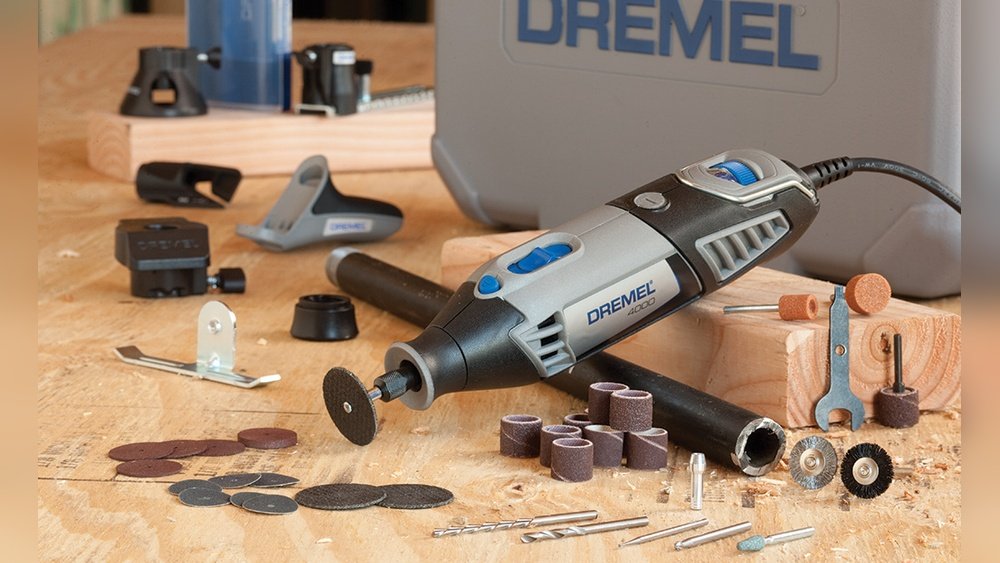
A rotary tool is a compact, handheld power device used for a wide range of tasks in woodworking, metalworking, crafting, and home repair. Its main feature is a spinning shaft that holds different attachments, which rotate at high speed. This versatility makes rotary tools popular among hobbyists and professionals alike. Whether you want to cut, grind, polish, or sand, a rotary tool can help you finish jobs quickly and efficiently.
Table of Contents
How Does A Rotary Tool Work?
A rotary tool operates by spinning a collet or chuck, where you insert various bits or accessories. The speed typically ranges from 5,000 to 35,000 revolutions per minute (RPM), depending on the model. You control the speed using a dial or switch, letting you adjust for delicate or tough materials.
The device is powered either by electricity (corded) or a battery (cordless). Corded models often deliver more consistent power, but cordless tools offer greater mobility. The tool’s lightweight and small size enable easy handling, even in tight spaces.
Common Uses And Applications
Rotary tools are known for their flexibility. Here are some popular uses:
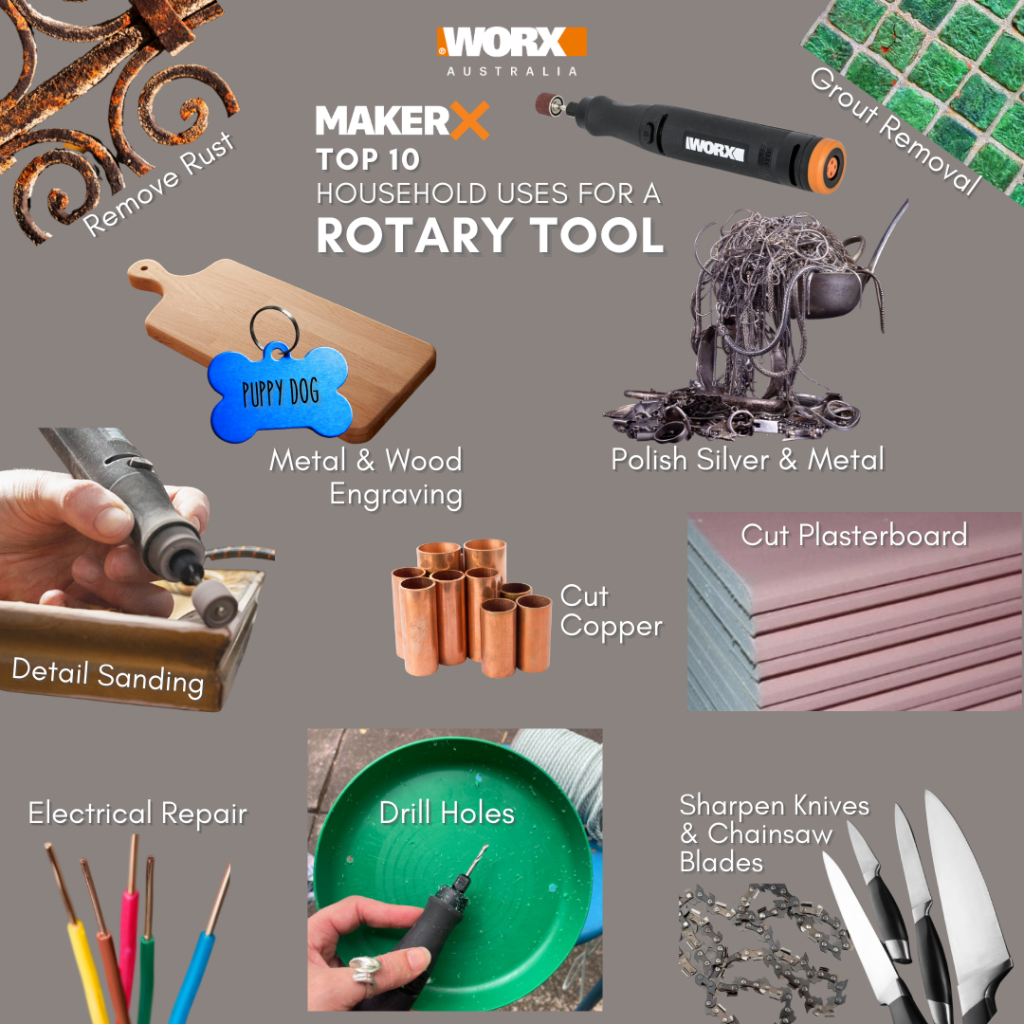
- Cutting: With the right blade, you can slice through wood, plastic, drywall, and even thin metal sheets.
- Grinding and Sharpening: Attach a grinding stone to sharpen blades or smooth rough edges.
- Polishing and Cleaning: Use polishing wheels for metal, jewelry, or glass. Wire brushes remove rust and grime.
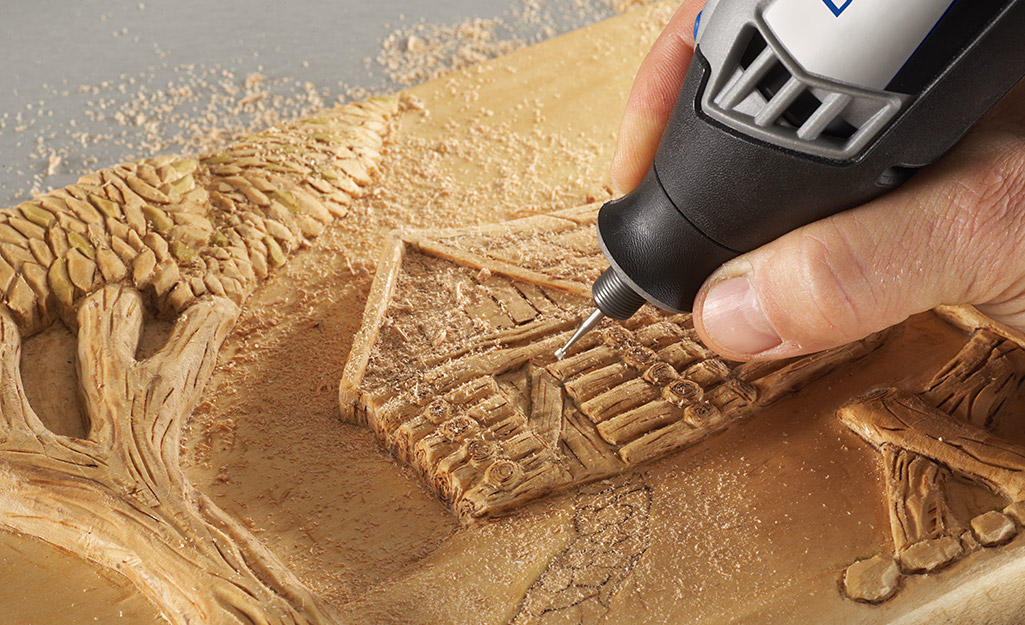
- Engraving and Carving: Diamond-tipped bits allow you to etch designs in wood, metal, or stone.
- Sanding: Sanding drums smooth surfaces or shape materials.
- Drilling: Small drill bits can make holes in soft materials.
Some users miss the fact that rotary tools can also help with precision tasks, such as repairing electronics or making custom jewelry. Another overlooked use is in pet care, like grinding dog nails safely.
:max_bytes(150000):strip_icc()/spr-best-rotary-tools-tout-7874fe9f896142a2b4c4770a59e9ade4.jpg)
Types Of Rotary Tools
There are two main categories:
| Type | Power Source | Best For | Weight | Typical RPM |
|---|---|---|---|---|
| Standard Rotary Tool | Electric (corded/cordless) | General DIY, crafts | 1.5–2 lbs | 10,000–35,000 |
| Die Grinder | Pneumatic (air-powered) | Heavy-duty jobs | 2–4 lbs | 20,000–30,000 |
Standard rotary tools are ideal for home and light workshop use. Die grinders are larger and more powerful, suitable for metalworking and industrial work.
Key Features To Consider
When choosing a rotary tool, several features matter:
- Speed Control: Variable speed lets you work on different materials.
- Ergonomics: Comfortable grip reduces fatigue.
- Attachment Compatibility: The more accessories included, the more tasks you can perform.
- Battery Life: For cordless models, longer runtime means fewer interruptions.
- Durability: Metal parts last longer than plastic.
Here’s a comparison of two popular models:
| Model | Power | Speed Range | Accessories Included | Price (USD) |
|---|---|---|---|---|
| Dremel 4000 | Corded | 5,000–35,000 RPM | 30+ | $80–$120 |
| WEN 2305 | Corded | 8,000–30,000 RPM | 80+ | $30–$50 |
Corded rotary tools remain popular for their constant power, but cordless options are improving rapidly, with battery life up to 90 minutes per charge.
Safety Tips
While rotary tools are safe for most users, you should follow basic precautions:
- Wear eye protection: Small pieces can fly off during cutting or grinding.
- Use gloves: Protect your hands from heat and sharp bits.
- Secure your workpiece: Materials should not move while you work.
- Keep hair and clothing away: Loose items can get caught in the spinning shaft.
A common mistake is using the wrong bit for the material. For example, using a wood bit on metal can damage both the tool and the project. Another error is applying too much force; let the tool do the work.
How to take out finish nails safely
Advantages And Limitations
Rotary tools offer several benefits:
- Versatility: One device handles many tasks.
- Precision: Good for detailed work.
- Compact design: Fits easily in a toolbox.
However, there are some limitations:
- Limited power: Not ideal for heavy-duty cutting.
- Small work area: Best for detail or small jobs.
- Noise and vibration: Can be tiring over long use.
For larger jobs, consider a more powerful tool, like an angle grinder or a bench sander.
Accessories And Attachments
Rotary tools use a wide range of accessories. The most common types include:
- Cut-off wheels: For slicing through materials.
- Grinding stones: For sharpening and shaping.
- Sanding drums: For smoothing surfaces.
- Polishing pads: For shining metal and plastic.
- Engraving bits: For artistic work.
Some brands provide kits with dozens of attachments, making it easy to switch between tasks. Quality accessories make a big difference in performance and durability.
| Accessory | Typical Use | Average Price (USD) |
|---|---|---|
| Cut-off Wheel | Metal, plastic cutting | $5–$15 (pack) |
| Grinding Stone | Sharpening, deburring | $4–$10 (set) |
| Sanding Drum | Wood, plastic sanding | $6–$12 (set) |
Frequently Asked Questions
What Is The Difference Between A Rotary Tool And A Drill?
A rotary tool spins at much higher speeds and uses various bits for grinding, cutting, and shaping. A drill is mainly for making holes and runs at lower RPM.
Can Rotary Tools Be Used On Metal?
Yes, with proper attachments like cut-off wheels or grinding stones, you can cut or polish metal. For thick or hard metals, use a die grinder or specialized tools.
Is A Rotary Tool Suitable For Beginners?
Most rotary tools are user-friendly. Start with simple tasks, use recommended bits, and always follow safety guidelines.
How Long Does A Rotary Tool Last?
A quality rotary tool can last for years if used correctly. Proper maintenance, such as cleaning and using correct attachments, increases lifespan.
Finally
Rotary tools offer amazing flexibility for small jobs and creative projects. With proper care, the right accessories, and a bit of practice, they can become an essential part of any toolkit.

Leave a Reply