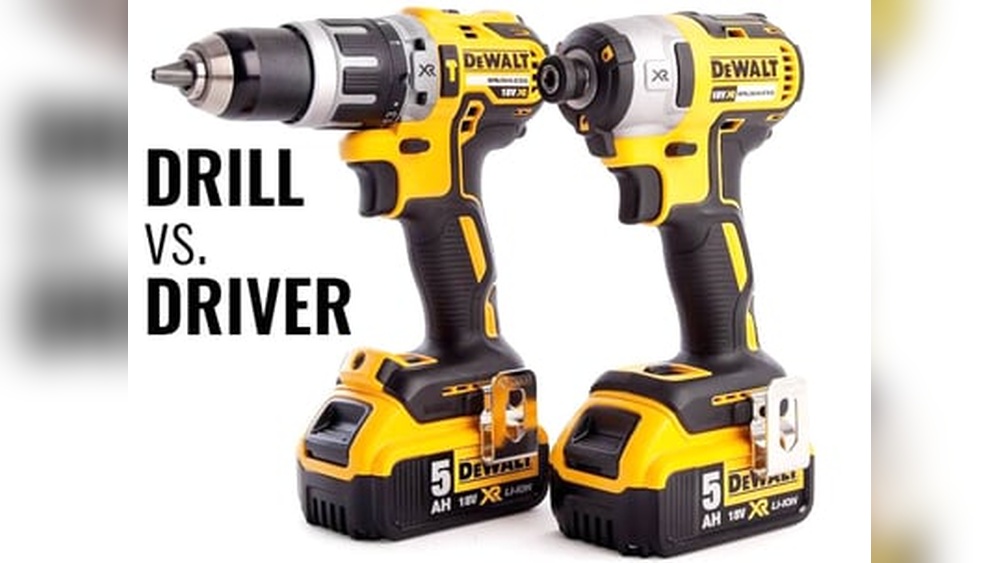
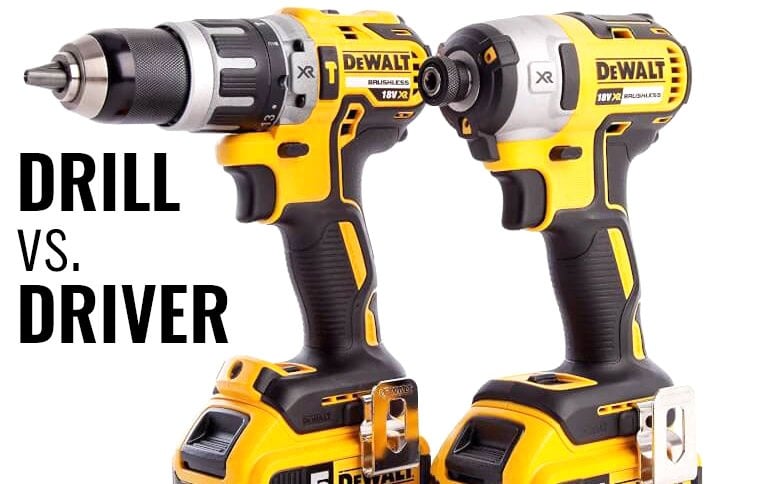
When you walk into a hardware store, you’ll see many tools that look similar but do very different jobs. Two of the most common are the drill and the impact driver. At first glance, they both turn screws and make holes, but their features, uses, and strengths set them apart. Choosing the right one can save you time, money, and effort. This article clears up the confusion and helps you pick the best tool for your needs.
Table of Contents
What Is A Drill?
A drill is a versatile tool found in most homes and workshops. It spins a bit to make holes in wood, metal, plastic, and masonry. You can also use it to drive screws, though that’s not its main strength. Most drills have adjustable speed and torque settings, letting you control how fast and strong it turns.
Cordless drills are especially popular because they’re easy to carry and use anywhere. They run on batteries that usually last between 1–2 hours of continuous use. Drills come in various sizes, but the most common is the 3/8-inch chuck. This size fits most household bits.
What Is An Impact Driver?
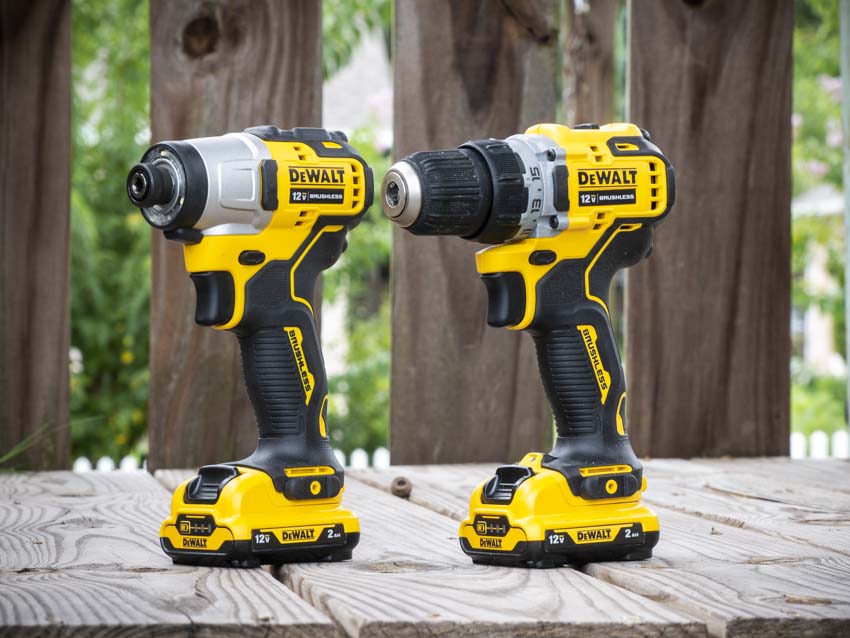
An impact driver looks smaller than a drill and is designed mainly for driving screws and bolts. It uses a special mechanism: when resistance is high, it delivers quick bursts of extra force, called “impacts.” This makes it much easier to drive long screws into tough materials like hardwood or metal.
Impact drivers are usually cordless and lighter than drills. Their hex chuck only accepts bits with a hexagonal base, so you can’t use standard round drill bits. The tool’s extra torque is a big advantage for construction or furniture assembly.
Can an impact driver replace a hammer drill for concrete
Key Differences
The easiest way to compare the two is through their main features and functions. Here is a clear side-by-side comparison.
| Feature | Drill | Impact Driver |
|---|---|---|
| Main Use | Making holes, light screw driving | Driving screws and bolts |
| Chuck Type | Keyless (round bits) | Hex (hex bits only) |
| Torque | Low to medium | High |
| Size | Medium to large | Small, compact |
| Speed Control | Variable | Usually single speed |
Performance And Practical Use
The drill is best for jobs where control matters. For example, when you’re making holes for shelf brackets or assembling furniture with delicate screws, a drill’s adjustable settings help prevent damage.
The impact driver shines when the job is tough. Driving long deck screws or bolts into dense wood is much easier. The tool’s bursts of torque reduce the need for extra force from your hand, lowering fatigue.
Here’s a real-world comparison:
| Task | Drill | Impact Driver |
|---|---|---|
| Drilling pilot holes | Excellent | Poor |
| Driving long screws | Struggles | Excellent |
| Assembling cabinets | Good | Good |
| Metal work | Good | Excellent |
When Should You Use Each Tool?
Some jobs require only one tool, while others may need both. Here are simple guidelines:
- Use a drill when you need precise holes in wood, metal, or plastic.
- Use an impact driver for driving screws, especially long or thick ones.
- For basic home repairs, a drill is often enough.
- For building decks, sheds, or heavy furniture, an impact driver will make the job easier.
One insight many beginners miss: if you try to use a drill for tough screw driving, you can burn out the motor or strip the screw. Impact drivers avoid these problems because their mechanism is made for high resistance.
Another tip: impact drivers don’t have a clutch, so they’re not ideal for tasks needing gentle control. If you need to tighten a screw delicately (like in electronics), a drill works better.
How does an impact driver compare to a hammer drill
How To Choose Between A Drill And An Impact Driver?
Choosing the right tool depends on your project. Consider these factors:
- Type of job: Drills are flexible; impact drivers are powerful.
- Material: For soft materials, a drill is fine. For hard woods or metals, an impact driver is better.
- Budget: Drills cost $40–$120, impact drivers $60–$150. Combo kits are also available.
- Bit compatibility: Drills accept more types; impact drivers need hex bits.
Many professionals keep both tools handy. A drill starts the hole, and an impact driver finishes with the screw.
Here’s a quick comparison of average specs:
| Tool | Average Torque (in-lbs) | Weight (lbs) | Battery Life (min) |
|---|---|---|---|
| Drill | 250–400 | 3–5 | 60–120 |
| Impact Driver | 800–1800 | 2–4 | 80–140 |
:max_bytes(150000):strip_icc()/SPR-impact-driver-vs-drill-5116867-hero-37b95592c1a44e97baa3de9f859fbd0a.jpg)
Common Mistakes When Using Drills And Impact Drivers
- Using the wrong bit: Standard bits won’t fit in an impact driver. Always check compatibility.
- Applying too much pressure: Impact drivers do the work for you. Pushing too hard can break bits.
- Ignoring speed settings: Drills with adjustable speeds should be set lower for delicate jobs.
- Trying to drill holes with an impact driver: This can damage bits or materials.
Many users also forget to keep their batteries charged. Running out of power in the middle of a job is frustrating and slows progress.
Frequently Asked Questions
Can An Impact Driver Be Used For Drilling Holes?
Impact drivers are not designed for drilling. Their hex chuck only fits special drill bits, and they lack the control needed for clean holes. It’s better to use a drill for this job.
Why Do Impact Drivers Make A Loud Noise?
The noise comes from the internal hammer mechanism. When resistance is high, the tool delivers fast impacts, which causes the sound. This action is normal and shows the tool is working correctly.
Is It Worth Buying Both Tools?
If you do lots of repairs or heavy projects, having both is helpful. Combo kits are available and often cost less than buying separately.
Are Impact Drivers Safe For Beginners?
Yes, but they are powerful. Beginners should start with small screws and practice before tackling larger jobs. Always wear eye protection.
What’s The Difference In Battery Life?
Impact drivers usually last longer when driving screws because they are more efficient. Drills use more energy when making holes in tough materials. Battery life depends on the tool’s power and the type of job.
Final Word
Choosing between a drill and an impact driver depends on your tasks and skill level. Both tools are useful, but knowing their strengths ensures you finish jobs quickly and safely. With the right tool in hand, even tough projects become easier and more enjoyable.

Leave a Reply