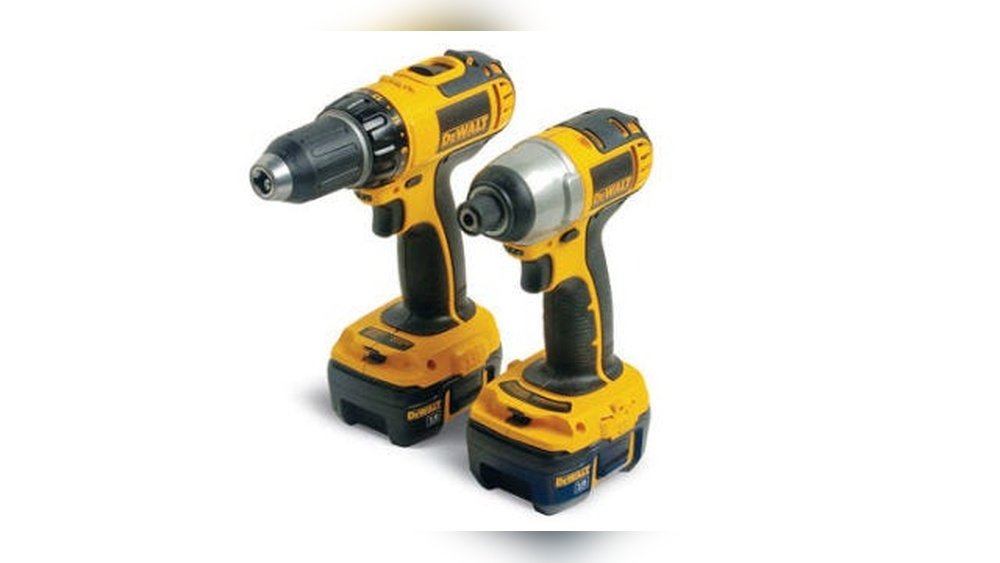
A drill driver is a tool found in many homes and workshops. It makes jobs like assembling furniture, hanging shelves, or fixing appliances much easier. People use it to make holes in materials and drive screws quickly. If you’re thinking about buying one or just want to know how it works, this article will explain its features, uses, and how it compares to other tools.
Table of Contents
What Is A Drill Driver?
A drill driver is a hand-held power tool designed for two main tasks: drilling holes and driving screws. It has a rotating chuck that holds various bits. The tool is powered by either electricity (corded) or batteries (cordless).
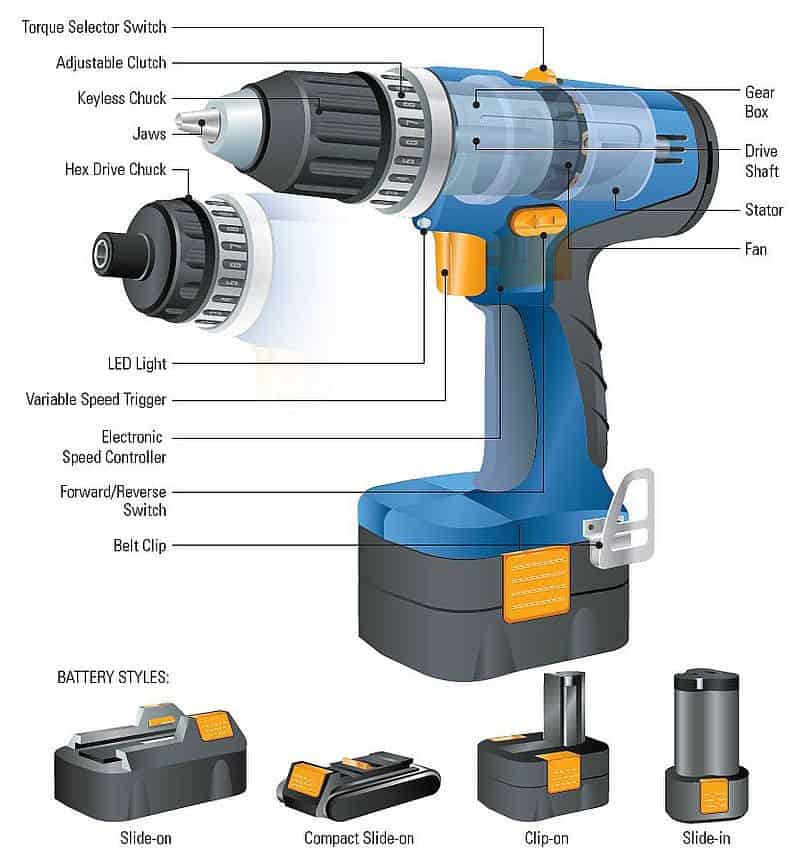
Most drill drivers have adjustable speed and torque settings. Torque is the twisting force used to drive screws; higher torque is needed for tough materials like hardwood or metal. By changing torque, users avoid stripping screws or damaging surfaces.
Drill drivers are often lightweight and compact. This makes them easy to use in tight spaces or for long periods. For example, a cordless drill driver usually weighs between 2 and 4 pounds.
Key Features Of Drill Drivers
Several features make drill drivers popular:
- Variable Speed: You can control how fast the bit spins. Lower speed is better for driving screws; higher speed is for drilling holes.
- Adjustable Torque: A ring (called a clutch) lets you set the amount of force. This prevents overdriving screws.
- Reversible Direction: The drill can spin clockwise or counterclockwise. This helps remove screws or drill bits stuck in material.
- Quick-Change Chuck: The chuck holds the bit securely. Some models use a key, while others are keyless and allow fast bit changes.
- Battery Indicator: On cordless models, a light or display shows how much charge is left.
Cordless drill drivers often use lithium-ion batteries. These batteries last longer and charge faster than older types. A typical battery might provide 1-2 hours of continuous use.
Common Uses For Drill Drivers
Drill drivers are not just for professionals. Homeowners and DIY fans use them for many tasks:
- Installing shelves, curtain rods, or cabinets
- Assembling flat-pack furniture
- Repairing appliances
- Making pilot holes for screws in wood or drywall
- Drilling holes in plastic, metal, or masonry (with special bits)
- Hanging artwork or mirrors
A drill driver saves time compared to manual screwdrivers or hand drills. For example, building a wooden deck with hundreds of screws would take hours by hand, but a drill driver can finish the job in less than half the time.
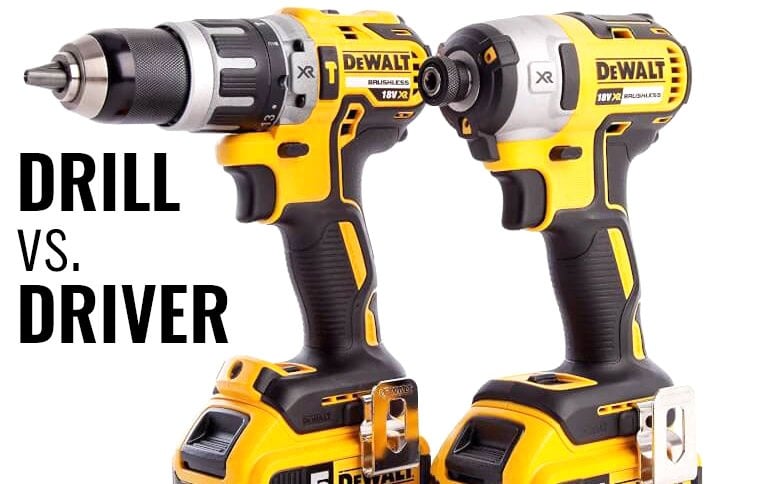
Drill Driver Vs. Impact Driver: How Are They Different?
People often confuse drill drivers with impact drivers. Both tools drive screws, but they work differently. Here’s a simple comparison:
| Feature | Drill Driver | Impact Driver |
|---|---|---|
| Main Use | Drilling & driving screws | Driving large screws & bolts |
| Torque | Adjustable, lower max | Higher, automatic |
| Speed Control | Manual, variable | Automatic, less control |
| Chuck Type | Keyless or keyed | Hex quick-change |
Drill drivers are better for everyday tasks. Impact drivers are suited for heavy-duty jobs like driving long screws into tough materials.
Corded Vs. Cordless Drill Drivers
Choosing between corded and cordless models depends on your needs. Corded drill drivers plug into the wall and never run out of power. Cordless models use batteries and offer more freedom.
| Type | Advantages | Disadvantages |
|---|---|---|
| Corded | Unlimited power, lighter, lower cost | Limited mobility, needs outlet |
| Cordless | Portable, easy to use anywhere | Battery must be charged, heavier |
Cordless models are now more common. Modern batteries can hold a charge for weeks when not used.
Choosing The Right Drill Driver
When shopping for a drill driver, consider these points:
- Power: For basic home tasks, 12-18 volts is enough. For tough materials, pick 20 volts or higher.
- Battery Life: Look for lithium-ion batteries with 1.5-2.0 amp-hours. Higher amp-hours mean longer use between charges.
- Comfort: Test the grip and weight. Comfortable tools reduce fatigue.
- Extras: Some kits include extra batteries, charger, and a case.
- Warranty: A longer warranty gives peace of mind.
A common mistake is buying a tool that’s too powerful for your needs. High-powered drill drivers are heavier and more expensive. For most homeowners, a mid-range cordless model is best.
Safety Tips
Using a drill driver safely is important. Here are some helpful tips:
- Wear safety glasses to protect your eyes from flying debris.
- Hold the tool firmly and keep fingers away from the spinning bit.
- Keep the battery charged and check for damage before use.
- Use the right bit for the material. For example, masonry bits for brick, wood bits for timber.
- Store the drill driver in a dry place.
Two things beginners often miss: First, always start screws with low torque to avoid stripping. Second, use pilot holes in hard materials to make driving easier.
Drill Driver Maintenance
A well-maintained drill driver lasts longer and works better. Here’s how to keep yours in good shape:
- Clean the chuck and bit after each use.
- Charge batteries fully before storing.
- Check for loose parts or worn bits.
- Oil the chuck if it becomes stiff.
- Replace batteries when they lose capacity.
Avoid leaving batteries in extreme heat or cold. This can reduce their lifespan. Also, never force the tool if a bit gets stuck; stop and clear the jam.
Frequently Asked Questions
What Bits Can I Use With A Drill Driver?
Most drill drivers accept standard drill and screwdriver bits. Keyless chucks fit bits from 1/16 to 1/2 inch. Specialty bits are needed for masonry or metal.
How Long Does A Cordless Drill Driver Battery Last?
A typical lithium-ion battery lasts 1-2 hours of work. With casual use, it can hold a charge for weeks. Battery life depends on the brand and how hard you use the tool.
Can A Drill Driver Work As A Hammer Drill?
No, a drill driver cannot work as a hammer drill. Hammer drills add a pounding action for masonry. Some tools combine both functions, but standard drill drivers do not.
Is A Drill Driver Good For Beginners?
Yes, drill drivers are simple to use. Variable speed and torque settings help avoid mistakes. Many models include guides and safety features.
Lastly
A drill driver makes many jobs easier, whether you’re fixing things around the house or working on a project. By choosing the right model and using it safely, you can save time and effort. Remember to check for the features that matter most to you, and maintain your tool for years of reliable use.

Leave a Reply