
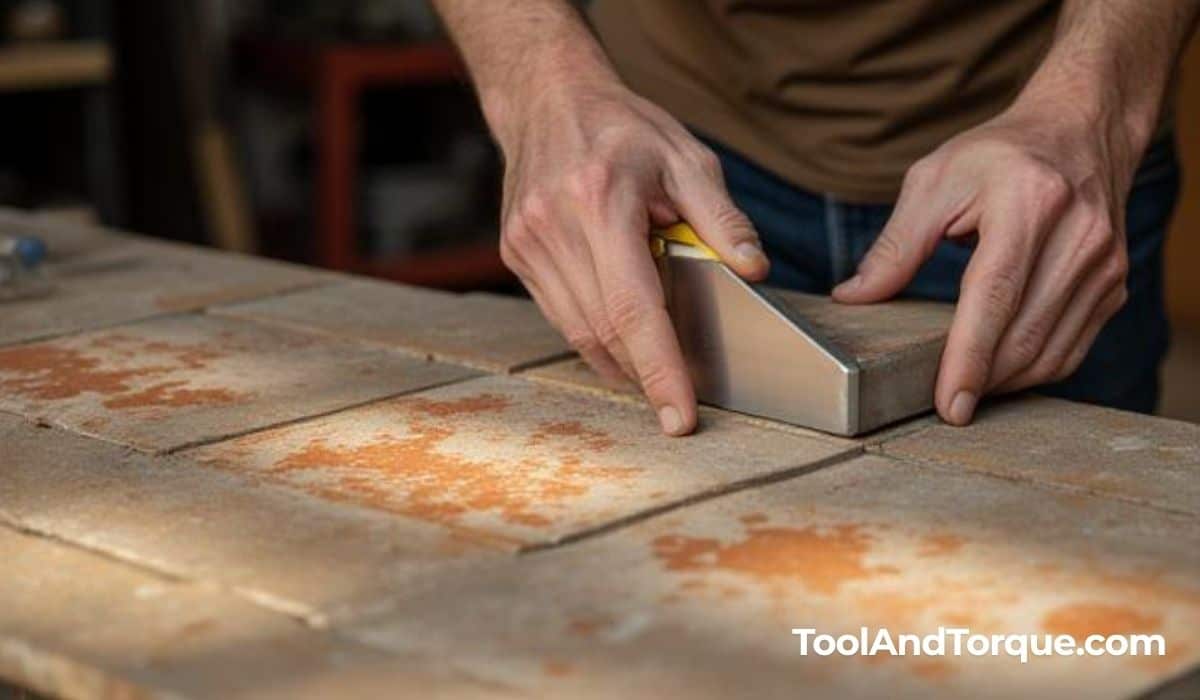
Cutting tile is a common task during home renovations or repairs. Most people use a wet saw, but not everyone owns one or wants to rent expensive equipment for a small job. Luckily, you can cut tile using simple tools and techniques.
This guide covers several reliable methods, explains their strengths and weaknesses, and helps you finish your project safely and accurately—even without a wet saw.
Table of Contents
Why People Cut Tile Without A Wet Saw?
Wet saws are powerful, but they can be noisy, messy, and expensive. For small jobs or DIY projects, many homeowners prefer alternatives. These methods work well with ceramic tile, porcelain tile, and some glass tile. If you need to cut stone or thick porcelain, hand tools may not be enough. For standard tile, though, you can achieve clean cuts with basic tools.
Essential Tools For Cutting Tile Without A Wet Saw
Before starting, gather the right tools. Here are the most practical options:
| Tool | Best For | Pros | Cons |
|---|---|---|---|
| Tile Cutter | Straight cuts | Easy to use, affordable | Limited to straight lines |
| Angle Grinder | Curves, corners | Versatile, can cut shapes | Can chip tile, needs careful handling |
| Glass Cutter | Thin ceramic tiles | Cheap, good for small jobs | Not for thick or hard tiles |
| Tile Nippers | Irregular shapes | Great for small notches | Slow, edges can be rough |
| Rotary Tool | Detail work | Precise, cuts small holes | Not ideal for long cuts |
You’ll also need safety goggles, dust mask, and gloves. Always protect your eyes and hands.

How To Cut Tile With A Manual Tile Cutter?
A manual tile cutter is the easiest tool for straight cuts on ceramic or porcelain tile. Here’s how it works:
- Mark the cut: Use a pencil or a washable marker to draw a clear line where you want to cut.
- Position the tile: Place the tile inside the cutter, aligning the mark with the scoring wheel.
- Score the tile: Pull the handle to run the wheel over the surface. Apply steady, even pressure. Don’t press too hard—just enough to score.
- Snap the tile: Push down on the handle to snap the tile along the score line. The break should be clean.
Manual tile cutters are best for cuts that go across the full width or length. For small pieces or corners, another tool may be better.
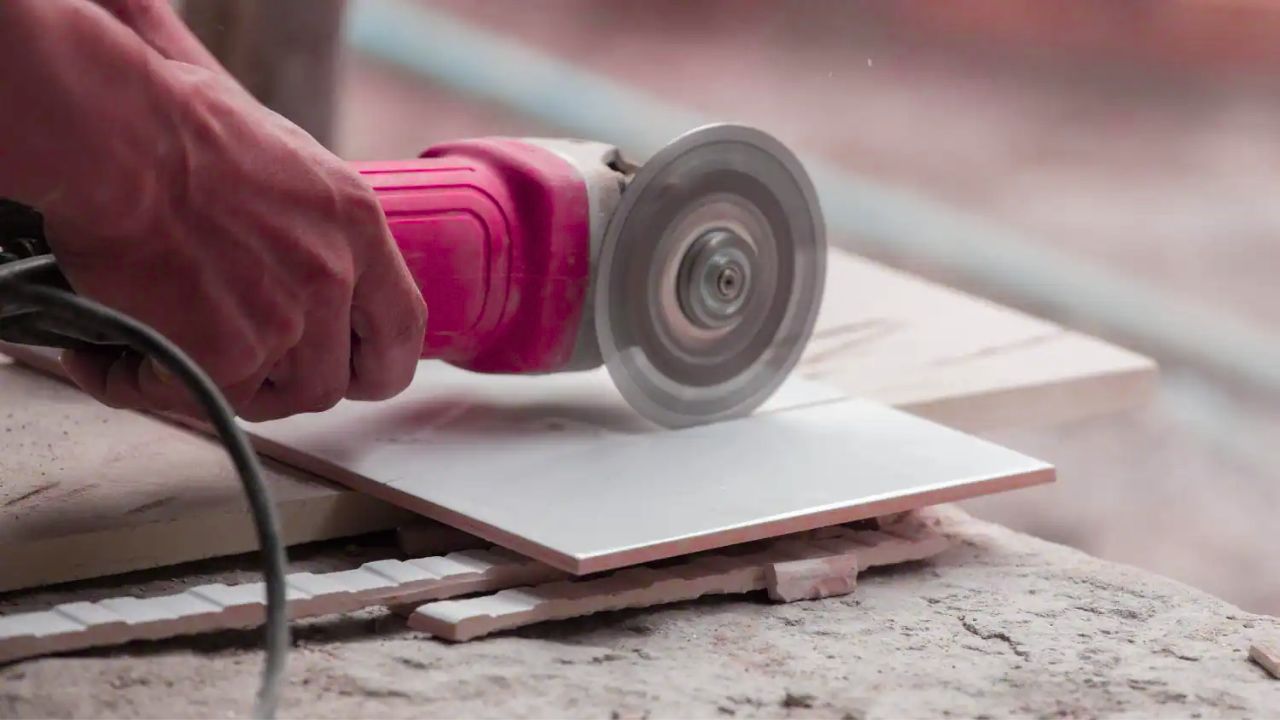
Using An Angle Grinder For Tile Cutting
An angle grinder is a flexible tool for straight, curved, or irregular cuts. It’s especially useful for tiles that are too thick for a manual cutter.
- Mark the cut line: Draw your line using a pencil or masking tape. Tape helps prevent chipping.
- Secure the tile: Place the tile on a stable surface. Use clamps if possible.
- Fit the right blade: Attach a diamond blade for tile cutting. Never use wood or metal blades.
- Wear safety gear: Goggles, mask, and gloves are essential.
- Start the cut: Hold the grinder firmly. Begin at the edge and move slowly along the line. For curves, move in small sections.
Some beginners make the mistake of pushing too hard or moving too fast. This can cause cracks or chips. Go slow, keep your hands steady, and let the tool do the work.

Cutting Tile With A Glass Cutter
A glass cutter works well for thin ceramic tiles. It is not ideal for porcelain or thick tile.
- Draw the cut line: Use a pencil and ruler for accuracy.
- Score the tile: Run the cutter along the line. Press firmly, but don’t force it.
- Snap the tile: Place a small wooden dowel under the score line. Press down gently on both sides to break the tile.
This method is cheap and fast, but not suitable for tough materials. It’s best for small jobs or simple straight cuts.
Using Tile Nippers For Complex Cuts
Tile nippers are perfect for cutting curves, corners, or notches. For example, fitting tile around pipes or electrical outlets.
- Mark the area: Use a pencil to outline the part you want to remove.
- Score if possible: If making a straight edge, score the tile first.
- Nip away small pieces: Hold the tile and squeeze the nippers to break off bits. Work slowly, removing a little at a time.
Edges may be rough. For a cleaner finish, use a rubbing stone or sandpaper to smooth them.
Rotary Tool For Detail Cutting
A rotary tool like a Dremel is ideal for small holes or detailed cuts. It’s handy for tiles that need holes for plumbing or wiring.
- Mark the area: Draw circles or shapes where the cut will be.
- Fit a diamond bit: Make sure the bit is designed for tile.
- Work slowly: Start at low speed and increase as needed. Move the tool in circles or along the lines.
Rotary tools don’t cut fast, but they allow precise work in tight spaces.
Comparison Of Tile Cutting Methods
To help you select the right tool, here’s a table comparing tile cutting methods:
| Method | Type of Cut | Tile Material | Skill Level |
|---|---|---|---|
| Manual Tile Cutter | Straight | Ceramic, Porcelain | Beginner |
| Angle Grinder | Straight, Curved | Ceramic, Porcelain, Stone | Intermediate |
| Glass Cutter | Straight | Thin Ceramic | Beginner |
| Tile Nippers | Irregular, Notches | Ceramic, Porcelain | Beginner |
| Rotary Tool | Small Holes, Details | Ceramic, Porcelain | Intermediate |
Common Mistakes When Cutting Tile Without A Wet Saw
People often run into trouble when cutting tile by hand. Here are mistakes to avoid:
- Skipping safety gear: Eye injuries and dust inhalation are real risks.
- Using the wrong blade: Always choose a diamond blade for grinders.
- Rushing: Fast cuts often lead to cracks and poor edges.
- Not securing the tile: Loose tiles can shift and break.
- Failing to mark carefully: Crooked lines mean wasted tile.
If you take your time and follow the right steps, you’ll have fewer mistakes and better results.
Tips For Clean And Accurate Tile Cuts
Some extra tips help you achieve professional-looking cuts:
- Wet the tile surface: For angle grinders, a little water on the tile reduces dust and helps prevent chipping.
- Use masking tape: Tape over the cut line to minimize chips, especially for glass or glazed tiles.
- Smooth rough edges: After cutting, use a rubbing stone to even out sharp or rough spots.
- Practice first: Try your method on a scrap tile before cutting your final pieces.
- Measure twice: Double-check your marks to avoid mistakes.
Many beginners overlook the importance of water and masking tape. These simple steps can make a big difference in quality.
Safety Guidelines For Tile Cutting
Tile cutting can be hazardous if safety steps are skipped. Here are key rules:
- Wear goggles and a mask: Tile dust is harmful to your lungs and eyes.
- Work in a ventilated area: Open windows or use a fan if working indoors.
- Keep children and pets away: Flying chips can cause injuries.
- Check tools before use: Inspect blades and handles for cracks or defects.
- Unplug tools when changing blades: Prevent accidental starts.
Most accidents happen when people ignore safety. Proper protection is essential.
When To Choose Which Method?
Selecting the right method depends on your tile type, cut shape, and skill level. Here’s a quick guide:
| Situation | Recommended Tool | Notes |
|---|---|---|
| Straight cuts on ceramic | Manual tile cutter | Fast, clean, easy |
| Curved cuts or thick tiles | Angle grinder | Best for tough jobs |
| Small notches or holes | Rotary tool or tile nippers | Detail work |
| Simple, thin tiles | Glass cutter | Cheap and quick |
If your project is small and simple, manual tools are usually enough. For complicated shapes or tough materials, invest in an angle grinder.
Real-world Examples
Many DIYers use these methods for kitchen backsplashes, bathroom walls, or small repairs. For example, one homeowner needed to fit tiles around a curved pipe. Using tile nippers, they removed small bits until the tile fit perfectly. Another used a manual tile cutter for a backsplash, saving money and finishing the job in one afternoon.
According to industry data, manual tile cutters are used in over 60% of small home projects. Angle grinders are favored for high-end materials or custom shapes.
Maintenance Of Tile Cutting Tools
Keeping your tools in good shape extends their life and improves results:
- Clean blades after each use. Tile dust builds up fast.
- Store tools dry. Moisture causes rust.
- Replace worn blades. Dull blades crack tiles.
- Oil moving parts of manual cutters to prevent sticking.
A well-maintained tool works better and is safer.
Frequently Asked Questions
How Do I Avoid Chipping When Cutting Tile?
Use masking tape over the cut line, keep the blade wet, and move the tool slowly. For glazed tiles, these steps make a noticeable difference.
Can I Cut Porcelain Tile Without A Wet Saw?
Yes, but use an angle grinder with a diamond blade. Porcelain is harder than ceramic, so manual cutters may not work for thick tiles.
Is It Safe To Use An Angle Grinder Indoors?
It’s safe if you wear goggles, a mask, and keep the area well ventilated. Tile dust can be harmful, so open windows or use a fan.
What Is The Best Tool For Cutting Curves In Tile?
Tile nippers and angle grinders are best. Tile nippers let you shape small sections, while grinders can cut smooth curves.
Final Word
Cutting tile without a wet saw is possible, affordable, and safe when you use the right tools and methods. Whether you’re working on a backsplash, bathroom, or repair, these techniques help you finish the job neatly and confidently. With a careful approach and attention to detail, you can achieve professional results without expensive equipment.

Leave a Reply