Electrical screwdrivers are now common in homes, workshops, and construction sites. They make tasks like assembling furniture, fixing appliances, and building projects much easier and faster. Many people are curious about their safety, especially when using them for the first time.
This article gives clear guidance about electrical screwdrivers, their risks, and safe practices. If you plan to buy or use one, the information here will help you make confident choices.
Table of Contents
What Is An Electrical Screwdriver?
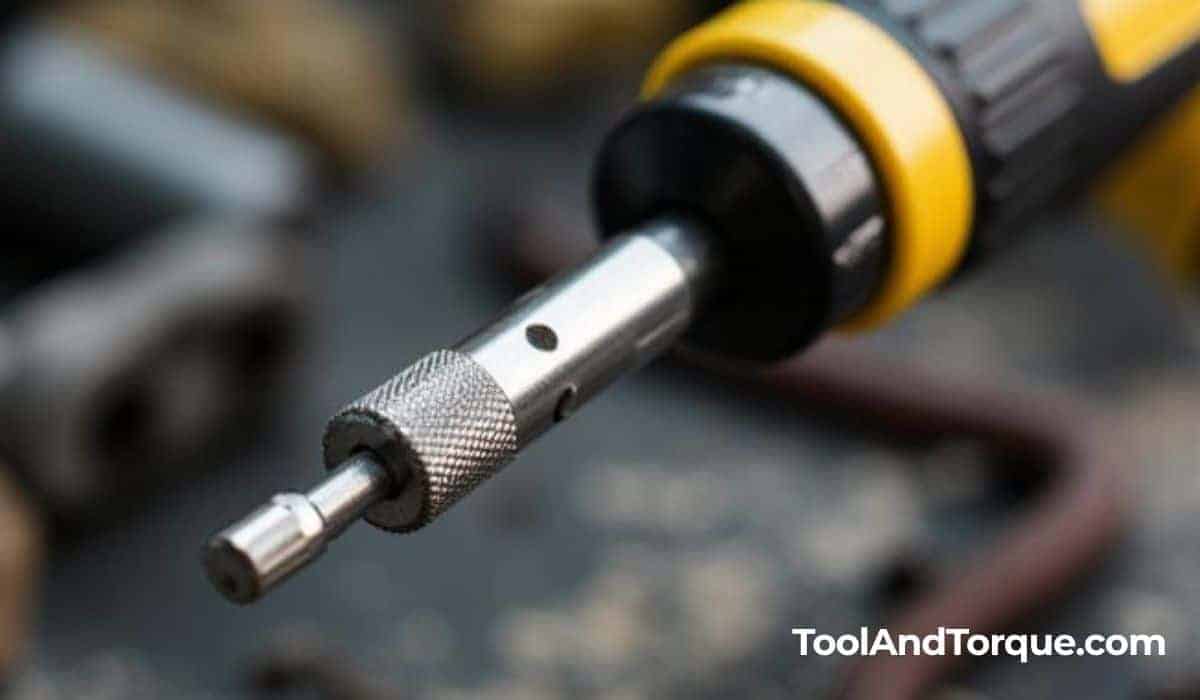
An electrical screwdriver is a tool powered by electricity—either through batteries or by plugging into an outlet. Unlike manual screwdrivers, they rotate the screw automatically with the push of a button. This saves time and reduces physical effort.
Most models are cordless and use rechargeable batteries. Some are corded and need a direct electrical connection. Electrical screwdrivers come in many sizes, from small household tools to large devices used in industry.
Key Safety Features
Manufacturers include several features to make electrical screwdrivers safer for users. Here are some common safety additions:
- Insulated handles – Most electrical screwdrivers have plastic or rubber-covered handles to protect against electric shock.
- Automatic shut-off – Many models stop spinning when they reach a certain torque to prevent over-tightening.
- Reverse function – This lets you remove screws safely, reducing the risk of slips.
- LED lights – Some screwdrivers have built-in lights to improve visibility and reduce mistakes.
- Overload protection – Prevents the tool from overheating or damaging the motor.
These features make the tool easier and safer to use, but they do not remove all risks.

Typical Risks And Hazards
Electrical screwdrivers are generally safer than some power tools, but accidents can still happen. Here are the most common hazards:
- Electric shock – If used near live wires or faulty sockets, users can get shocked.
- Hand injuries – Fingers can get pinched or scraped if the tool slips.
- Eye injuries – Screws or metal shavings can fly out unexpectedly.
- Fire risk – Faulty batteries or wiring can cause overheating and fires.
- Muscle strain – Using the tool for too long, or at awkward angles, can cause fatigue.
The risk of serious injury is low if you follow proper safety steps, but many beginners overlook basic precautions.
Comparing Electrical And Manual Screwdrivers
Is an electrical screwdriver safer than a manual one? Here’s a simple table comparing their safety aspects:
| Feature | Electrical Screwdriver | Manual Screwdriver |
|---|---|---|
| Risk of Electric Shock | Medium (near wires) | Low |
| Hand Fatigue | Low | High |
| Speed | Fast | Slow |
| Precision | Medium | High |
| Fire Risk | Possible (battery/wiring) | None |
Manual screwdrivers have fewer electrical risks, but they can cause more physical strain and require more skill for precise work.

Safe Usage Tips
Following basic safety steps can prevent most accidents. Here are practical tips for safe use:
- Check the tool before use – Inspect for cracks, loose parts, or exposed wires.
- Wear protective gear – Use safety glasses to protect your eyes and gloves for your hands.
- Keep area dry – Moisture increases the risk of electric shock. Avoid using the tool in wet locations.
- Avoid live circuits – Never use an electrical screwdriver near live electrical wires unless it’s rated for that purpose.
- Use correct bits – The right bit prevents slips and damage to screws.
- Recharge carefully – Only use the charger provided by the manufacturer. Overcharging or wrong chargers can cause fires.
- Store safely – Keep the tool away from children and in a dry place.
Many people forget to check the tool’s battery before use. A weak battery can cause the screwdriver to stall and slip, leading to injury. Another common mistake is using the wrong bit, which damages screws and can cause the bit to break.
Real Accident Data
Electrical screwdriver injuries are rare, but they do happen. In the US, the Consumer Product Safety Commission reports that about 2,000 injuries linked to powered screwdrivers occur each year. Most incidents involve minor hand injuries or eye injuries from flying debris.
Serious cases, such as electric shock or fires, are less common. They usually happen when users ignore basic safety, such as working on live wires or using damaged tools.
Battery Safety Concerns
Cordless electrical screwdrivers rely on lithium-ion batteries. These batteries are efficient and light, but they can pose risks if not handled correctly:
- Overheating – Using the tool for long periods or charging improperly can cause batteries to overheat.
- Swelling – If the battery case looks swollen, stop using it immediately.
- Short circuit – Damaged batteries can cause fires or electric shock.
Always follow the manufacturer’s instructions for charging and storage. Don’t leave batteries charging overnight unless the charger has automatic shut-off.
Here’s a comparison of battery types used in electrical screwdrivers:
| Battery Type | Safety Features | Risk Level |
|---|---|---|
| Lithium-Ion | Overcharge protection, lightweight | Medium |
| Nickel-Cadmium | Less overheating, heavier | Low |
| Alkaline (non-rechargeable) | No overcharge, simple | Low |
Lithium-ion batteries are the most common, but they require careful handling to stay safe.
Safe Maintenance Practices
Proper maintenance keeps your electrical screwdriver safe and lasting longer. Here are practical steps:
- Clean after use – Remove dust and debris from the tool and bits.
- Inspect regularly – Look for signs of wear, damage, or corrosion.
- Replace worn bits – Old bits slip and can cause injury.
- Store batteries separately – If you won’t use the tool for a long time, remove the battery.
- Check the charger – Make sure the charger is undamaged and suitable for your screwdriver.
A neglected tool can become unsafe. Even a small crack in the handle can expose you to electric shock. Always store your screwdriver in a dry place and away from heat sources.
Professional Use Vs. Home Use
Electrical screwdrivers are used in both home and professional settings. The risks and safety needs can be different:
- Home use – Usually involves lighter tasks and less frequent use. Risks are lower, but safe habits are still important.
- Professional use – Often means heavy-duty screwdrivers, longer use, and working near live wires. Safety gear and high-quality tools are essential.
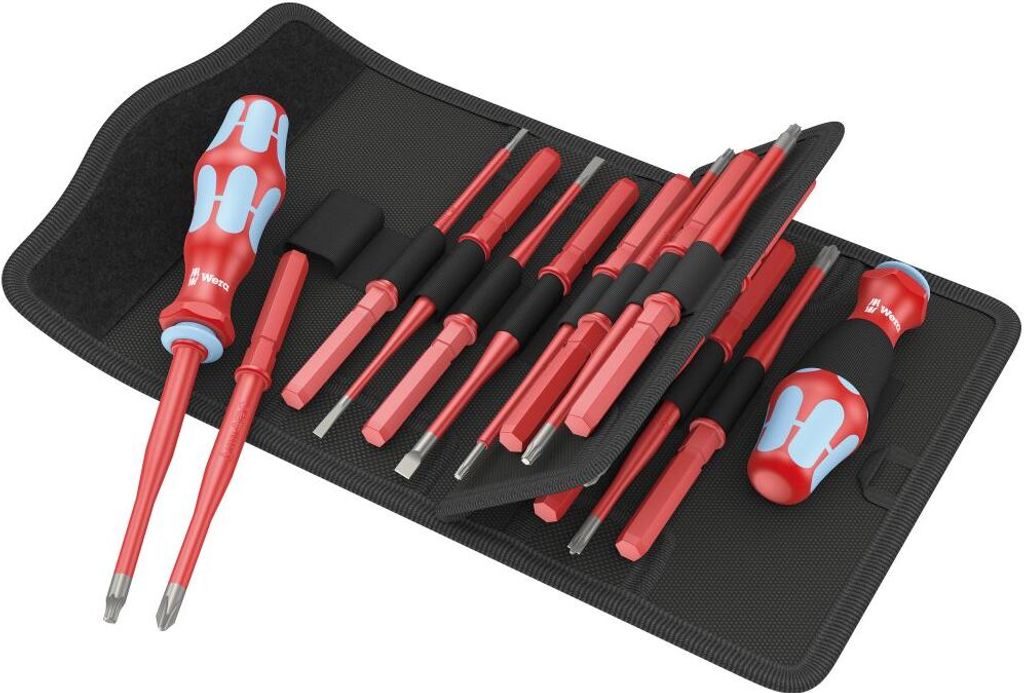
Professionals often use screwdrivers with extra insulation and certifications for electrical work. If you need to work near electricity, choose tools marked as VDE certified or similar.
Common Misconceptions
Many people believe that electrical screwdrivers are always safe because they are easy to use. This is not true. Here are some common misunderstandings:
- All electrical screwdrivers are insulated – Not every model is built for electrical work. Some are only for mechanical tasks.
- More power means more safety – High-powered tools can cause more injuries if not used carefully.
- Cordless means risk-free – Batteries can still catch fire or explode if damaged.
It’s important to check the product specifications and use the tool as intended.
Children And Electrical Screwdrivers
Children should not use electrical screwdrivers without adult supervision. The spinning parts, sharp bits, and electrical risks are dangerous for young users. If you have children at home, store the tool out of reach and keep the battery separate.
Some brands offer child safety locks or require a two-step process to start the tool. These features help prevent accidental use.
How To Choose A Safe Electrical Screwdriver?
When shopping for an electrical screwdriver, safety should be one of your top concerns. Consider these points:
- Insulation – Choose screwdrivers with insulated handles, especially for electrical work.
- Battery safety – Go for models with overcharge protection and quality batteries.
- Certifications – Look for marks like UL, VDE, or CE for tested safety.
- Torque control – Models with adjustable torque reduce the risk of damaging screws or injuring your hands.
- Grip comfort – A comfortable, non-slip handle prevents accidents.
- LED lighting – Built-in lights help you see better and work safely in low-light areas.
Check reviews and user feedback before buying. Many injuries happen because buyers choose cheap, unsafe tools.
Here’s a summary of key buying factors:
| Feature | Why It Matters |
|---|---|
| Insulated Handle | Protects against shock |
| Torque Settings | Prevents over-tightening |
| Battery Quality | Reduces fire risk |
| Certifications | Ensures tested safety |
| LED Light | Improves visibility |
Non-obvious Safety Insights
Most people focus on obvious risks, but here are two details often missed:
- Bit retention – Many screwdrivers have magnetic or quick-release bits. If the bit is loose, it can fall out and cause injury. Always check bit security before using.
- Tool balance – A poorly balanced tool increases the chance of slipping, especially when working overhead. Choose models with good weight distribution.
These points may seem minor, but they make a big difference in real-world safety.
Are Electrical Screwdrivers Safe Overall?
Electrical screwdrivers are safe when used correctly and maintained well. They are less dangerous than saws or drills, but they still require caution. Most accidents happen because users ignore basic steps—like checking for damage, using the right bit, or wearing protection.
If you follow the advice in this article, the risks are low. Always choose quality tools, follow instructions, and keep safety in mind. For more detailed safety standards, you can check resources like OSHA Power Tool Safety.
Frequently Asked Questions
Are Electrical Screwdrivers Safe For Children To Use?
No, electrical screwdrivers are not safe for children. They have spinning parts and sharp bits. Only adults should use them, and tools should be kept out of children’s reach.
Can I Use An Electrical Screwdriver Near Live Wires?
You should never use a standard electrical screwdriver near live wires. Only use screwdrivers rated and marked for electrical work, such as VDE-certified tools.
What Should I Do If My Screwdriver Battery Gets Hot?
Stop using the tool immediately and unplug the charger. Wait until the battery cools down. If it stays hot or looks swollen, replace it. Do not use damaged batteries.
How Often Should I Check My Electrical Screwdriver For Damage?
Check your electrical screwdriver before each use. Look for cracks, loose parts, and damaged wires or batteries. Regular inspection prevents accidents.
Is It Safe To Leave The Battery Charging Overnight?
It’s not recommended unless your charger has automatic shut-off. Overcharging can cause battery damage and increase fire risk. Always follow manufacturer guidelines.
Final Word
Electrical screwdrivers make many tasks easier, but they require careful handling. With proper safety habits, they are a reliable and helpful tool for both home and professional use.

Leave a Reply