People often ask if brushless tools are worth buying. These tools are popular in workshops, construction sites, and homes. You may notice brushless models cost more than brushed ones. Let’s see if the benefits match the price, and what makes them different.
Table of Contents
What Makes Brushless Tools Special?
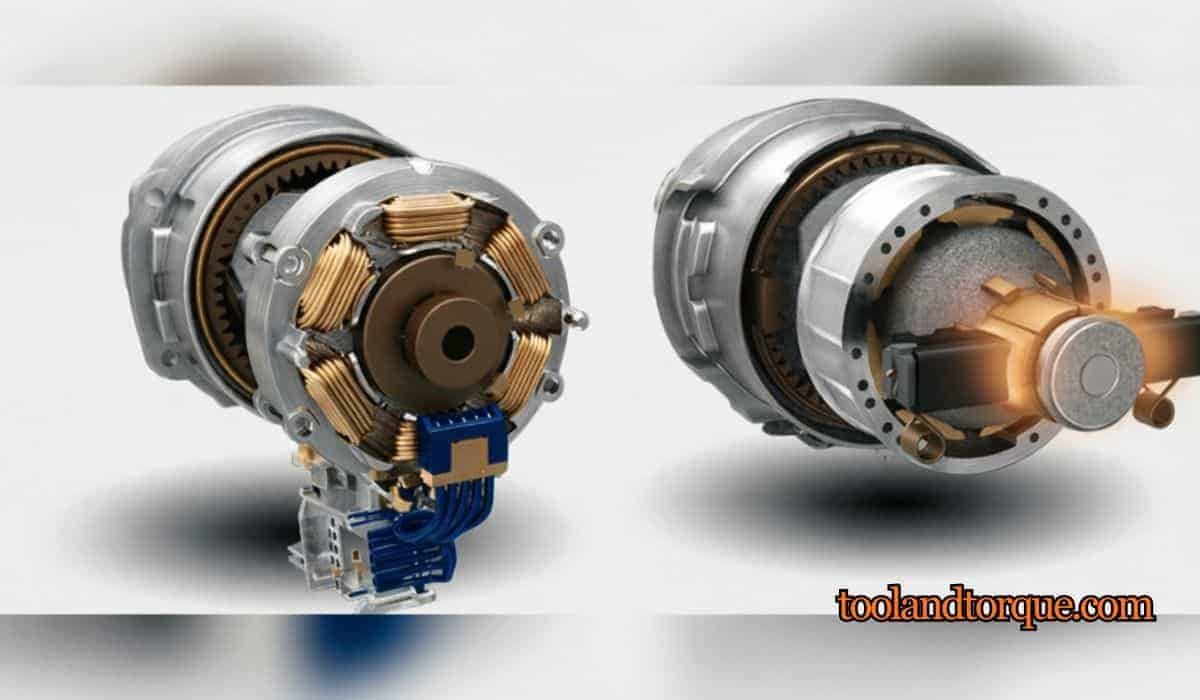
Traditional power tools use brushes to transfer electricity to the motor. Brushless tools remove these brushes and use electronics instead. This change brings some real differences:
- Less friction: With no brushes rubbing against other parts, brushless motors run smoother. This means less heat is produced, which helps the tool last longer.
- Longer life: Brushes wear out over time. No brushes means fewer parts to replace. Brushless motors can keep performing well even after years of heavy use.
- More efficient: Electronic control adjusts power as needed, so energy is not wasted. The motor uses only what it needs, which saves battery life and reduces wear.
Another detail: brushless tools often have built-in sensors. These sensors help the motor respond to changes in load, like when you drill into harder material. The tool can give extra power when needed, or slow down to protect itself.
Comparing Brushless And Brushed Tools
Here’s a simple table to help see how brushless tools stack up against brushed tools:
| Feature | Brushless Tools | Brushed Tools |
|---|---|---|
| Motor Life | 10,000+ hours | 2,000–5,000 hours |
| Maintenance | Low | Brush replacement needed |
| Efficiency | Up to 85% | 60–70% |
| Cost | Higher | Lower |
| Noise | Quieter | Louder |
This table shows brushless tools often last longer, use less energy, and need less maintenance. One extra point: brushless motors keep their performance steady as they age, while brushed motors often slow down or lose power after many hours.

Real-world Performance
Brushless tools are more powerful and last longer, especially in tough jobs. For example, a brushless drill can keep torque high even when the battery is low. This makes it easier to drill through hard materials like metal or concrete.
Here’s how brushless and brushed drills perform in a real test:
| Drill Type | Torque (Nm) | Battery Run Time (min) | RPM |
|---|---|---|---|
| Brushless Drill | 60 | 40 | 2,000 |
| Brushed Drill | 40 | 25 | 1,400 |
A brushless drill often delivers 30–50% more torque and runs longer on one charge. It also keeps its speed even as the battery drains. For tasks like driving screws into hardwood or mixing thick paint, this extra power is very helpful. Many users notice that brushless drills can handle bigger bits and tougher jobs without slowing down.
Key Advantages Of Brushless Tools
- Longer battery life: You can work longer without changing or charging batteries. For cordless tools, this means fewer interruptions.
- Higher power: More torque and speed for tough jobs. For example, brushless impact drivers can drive large screws and bolts faster.
- Less maintenance: No brushes to replace, so fewer repairs. You save time and money by avoiding frequent fixes.
- Quieter operation: Less noise, better for indoor work. This is important in homes, schools, or hospitals where loud tools are a problem.
- Compact design: Electronics allow smaller motors, so tools are lighter. This makes them easier to hold and use for long periods.
Many professionals say their brushless tools last years without trouble. Even after heavy use, the motors keep their strength. For example, a plumber who uses a drill daily finds brushless models rarely overheat or fail.
Are Brushless Tools Always Better?
Brushless tools are not perfect for everyone. They do cost more—sometimes double the price of brushed models. For light use, such as occasional home repairs, brushed tools can be fine.
Here’s a comparison of cost vs. value:
| Tool Type | Average Price ($) | Expected Lifetime (Years) | Power Output |
|---|---|---|---|
| Brushless | 180 | 8–10 | High |
| Brushed | 90 | 3–5 | Medium |
If you use tools daily, brushless models pay for themselves over time. If you use them only a few times a year, the extra cost may not be worth it. Also, brushless tools often come with more advanced features, like variable speed controls or overload protection.
These are useful for professionals but may not matter for basic tasks.
Can an impact driver do the same job as a drill
Common Mistakes When Choosing
Many buyers focus only on price. This can lead to disappointment if the tool breaks or needs repair often. Another mistake is ignoring battery compatibility. Brushless tools often need higher-quality batteries to perform well.
It’s also easy to overlook warranty. Brushless tools usually come with longer warranties, which saves money if something goes wrong. Some buyers forget to check how easy it is to find spare parts or get service for their tool. If the brand is not well-known, repairs may be hard or expensive.
Another mistake: skipping reviews. Reading real user reviews gives insight into how a brushless tool performs over time, and what problems might appear.
Non-obvious Insights
Some users do not realize brushless tools can work better in extreme conditions. For example, they keep power high in cold weather, while brushed tools may slow down. Also, brushless motors are less likely to overheat, which is important for long jobs.
A second insight is that brushless tools often have smart features. Many models adjust speed or torque automatically, making work easier and safer. Some brushless tools even have Bluetooth or app controls. You can track tool performance or set limits for safety—features rarely found in brushed tools.
Another hidden benefit: brushless motors attract less dust. With fewer moving parts, there is less wear and less dust buildup, which helps the tool stay clean and reliable.
Who Should Choose Brushless Tools?
- Professionals: Builders, carpenters, and mechanics benefit most. They need tools that can handle heavy work without frequent repairs.
- Frequent DIYers: People doing regular repairs or big projects. If you build furniture, renovate homes, or work on cars often, brushless tools make jobs faster and easier.
- Anyone needing reliability: If you want a tool that works well for years.
If you only need a tool for simple tasks, a brushed model is cheaper and may be enough. For example, if you only hang pictures or fix a chair once a year, brushed tools will do the job.

Final Thoughts
Brushless tools are usually better in power, battery life, and reliability. They cost more, but if you use tools often or need strong performance, the extra price makes sense. For light, occasional work, brushed tools are still a good choice.
Frequently Asked Questions
What Is A Brushless Tool?
A brushless tool uses a motor without brushes, relying on electronics to control power. This makes it more efficient and durable than a brushed tool.
Are Brushless Tools Really Quieter?
Yes, brushless motors make less noise because there is no friction from brushes rubbing against parts. This is helpful when working in quiet places.
Do Brushless Tools Use Less Battery?
Brushless motors use energy more efficiently, so batteries last longer. You can often work up to 50% longer per charge. This is important for cordless tools.
Is It Worth Paying More For Brushless Tools?
If you use tools often or need strong performance, brushless models are worth the price. For occasional use, brushed tools may be enough.
Can I Use Old Batteries With Brushless Tools?
Some brushless tools need high-quality batteries. Check your tool’s manual to see if your old batteries will work well. Using weak batteries can limit performance and shorten run time.


Leave a Reply