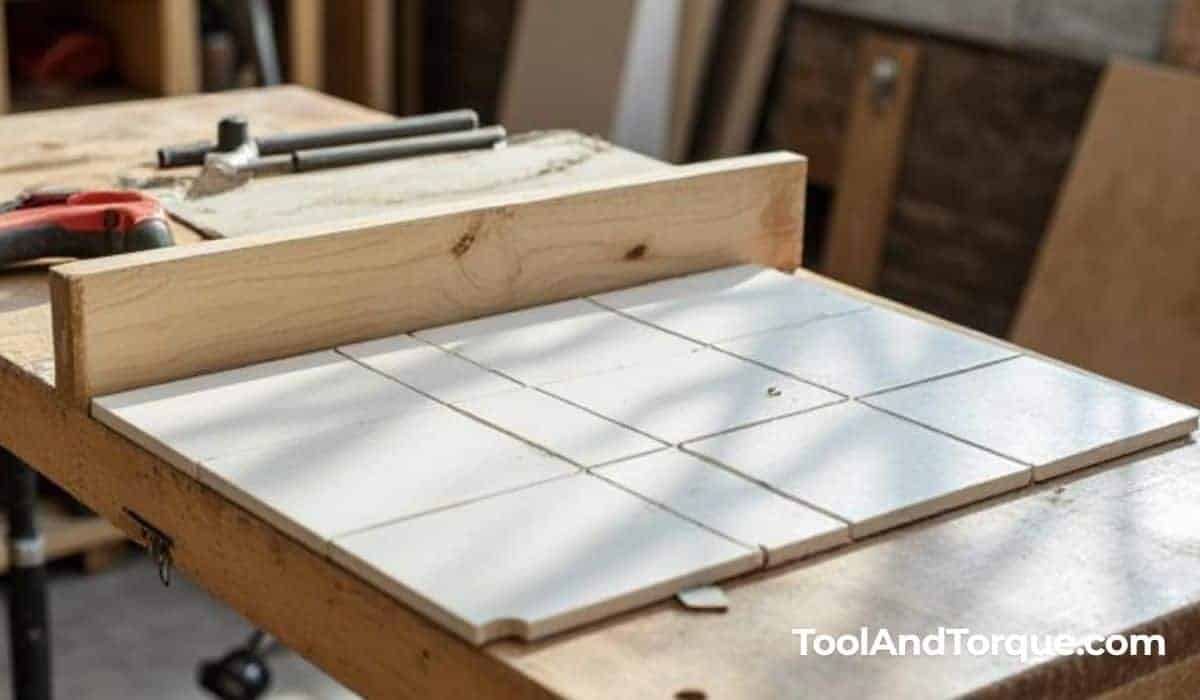
Cutting tile without a tile saw is possible, even for beginners. Many people avoid buying a tile saw because they don’t want to spend extra money or only have a small project. Luckily, there are several methods that use simple tools and can give clean results.
With the right approach, you can cut ceramic, porcelain, or even glass tiles for your home improvement needs.
Table of Contents
Why Cut Tile Without A Tile Saw?
Tile saws are expensive and bulky. If you only need to cut a few tiles, buying or renting a saw might not make sense. Hand tools are easier to store and can handle many types of cuts. Also, some methods are quieter, safer, and less messy than using power tools.
For small jobs, repairs, or DIY tasks, knowing how to cut tiles without a saw saves time and money.
Common Tools For Cutting Tile
Several tools can cut tile effectively. Each tool works best for certain types of cuts and tile materials.
| Tool | Best For | Tile Type | Approximate Price |
|---|---|---|---|
| **Tile Nipper** | Irregular shapes, corners | Ceramic, porcelain | $10–$20 |
| **Manual Tile Cutter** | Straight cuts | Ceramic, porcelain | $30–$100 |
| **Glass Cutter** | Small, straight cuts | Glass tile | $10–$25 |
| **Angle Grinder** | Curves, holes | All types | $40–$80 |
| **Rotary Tool** | Small holes, fine detail | All types | $60–$100 |
Manual tile cutters are popular for straight cuts. Tile nippers help with small, tricky pieces. Glass cutters work well for delicate glass tiles. Angle grinders and rotary tools can handle harder materials and odd shapes.

How To Use A Manual Tile Cutter?
Manual tile cutters are simple and efficient for straight cuts. They use a scoring wheel to mark the tile, then apply pressure to snap it.
1. Mark The Cut Line
Draw a clear line on the tile using a pencil or marker. Use a ruler for accuracy.
2. Position The Tile
Place the tile on the cutter, aligning the line with the scoring wheel.
3. Score The Tile
Push the handle to run the wheel along the line. Apply steady pressure. Only score once.
4. Snap The Tile
Press down on the handle to break the tile along the scored line.
Most cutters work best with ceramic or porcelain tiles. For thicker tiles, use extra care to get a clean break.
Cutting Tile With A Tile Nipper
Tile nippers are handy for small, odd shapes or corners. They’re not ideal for long, straight cuts.
1. Mark The Area
Mark the part you want to remove.
2. Grip And Snap
Hold the nipper and gently squeeze to break off small pieces. Work slowly along the edge.
3. Smooth The Edge
Use sandpaper or a rubbing stone to smooth rough spots.
Tile nippers are best for detail work. They can chip tiles if used too quickly, so patience is important.
Using A Glass Cutter
Glass cutters are simple and cheap, but require a careful touch.
1. Draw The Cut Line
Mark the cut on the tile.
2. Score The Surface
Run the cutter along the line with firm pressure. You’ll hear a slight scratching sound.
3. Snap The Tile
Place the tile over a thin stick or pencil under the scored line. Press gently to snap.
Glass cutters are mainly for glass tiles, but can work on thin ceramic tiles. Results depend on tile quality and scoring technique.
Cutting Tile With An Angle Grinder
Angle grinders are powerful and can handle tough materials. Use a diamond blade for best results.
1. Mark The Cut
Draw the line clearly.
2. Clamp The Tile
Secure the tile to avoid movement.
3. Wear Safety Gear
Use gloves, goggles, and a mask. Angle grinders produce dust.
4. Cut Slowly
Start the grinder and move along the line. Apply light, steady pressure.
5. Cool The Blade
Pause to let the blade cool if needed.
Grinders can cut curves and holes, but they are noisy and can chip tiles. Practice on scrap pieces first.
| Method | Best Use | Cut Quality | Difficulty |
|---|---|---|---|
| **Manual Cutter** | Straight cuts | Clean | Low |
| **Tile Nipper** | Detail work | Rough | Medium |
| **Angle Grinder** | Curves, holes | Variable | High |
| **Glass Cutter** | Small tiles | Clean | Low |
Using A Rotary Tool
Rotary tools with diamond bits are perfect for tiny holes or detailed shapes.
1. Mark The Cut Area
Use a fine marker.
2. Secure The Tile
Clamp the tile for stability.
3. Cut Carefully
Set the tool to medium speed. Gently guide the bit along the line.
Rotary tools are slower but offer better control for detail work. They can overheat, so take breaks.
Cutting Mosaic Tiles
Mosaic tiles are usually mounted on mesh sheets. You can cut the sheet with scissors, but for individual tiles, use a manual cutter or nipper.
- For straight lines across the sheet, use a manual cutter.
- For curves or corners, use nippers.
- Smooth edges with sandpaper.
Mesh backing makes cutting easier, but small pieces may need detail work.

Practical Tips For Clean Cuts
Cutting tile without a saw can lead to rough edges or breakage. Here are tips to improve results:
- Score deeply: A firm, single score line works better than several light ones.
- Check tile quality: Cheap tiles chip easily.
- Sand edges: Use a rubbing stone or fine sandpaper after cutting.
- Practice first: Try your tool on spare tiles before the real job.
- Keep blades sharp: Dull tools make rough cuts.
- Protect surfaces: Use a drop cloth to catch debris.
- Work slowly: Rushing leads to mistakes and chips.
One insight many miss: different tiles need different tools. For example, porcelain is harder than ceramic, so manual cutters need more pressure. Also, glass tiles crack easily, so gentle scoring and slow snapping are key.
Safety Precautions
Tile cutting produces sharp edges and dust. Protect yourself and your workspace.
- Wear gloves to protect hands from sharp pieces.
- Eye protection is necessary, especially with grinders.
- Dust mask for grinders and rotary tools.
- Work outdoors or in a well-ventilated area.
- Keep children and pets away.
Most accidents happen when tiles slip or tools are misused. Always secure tiles before cutting.
Mistakes To Avoid
Many beginners make common errors that ruin tiles or waste money.
1. Using The Wrong Tool
Not all tools work for every tile. A nipper can’t handle thick porcelain.
2. Weak Scoring
Faint lines lead to jagged breaks.
3. Skipping Safety
Dust and chips can cause injuries.
4. Cutting Too Fast
Rushing causes chips and uneven edges.
5. Not Practicing
Always test your tool before working on expensive tile.
These mistakes can lead to wasted tiles and frustration. Knowing the right technique is crucial.
Real Project Examples
Many homeowners cut tiles without saws for small repairs or bathroom upgrades. For example, replacing a cracked tile often requires trimming a new tile to fit. Using a manual cutter or nipper can save hours and avoid buying expensive equipment.
In another case, people making mosaic art use nippers and glass cutters for intricate designs. The tools allow flexibility and control, making it easier to create unique shapes and patterns.
Statistics show that around 65% of DIY tile jobs use hand tools instead of power saws. Homeowners report satisfaction with manual cutters for straight cuts, but prefer nippers or grinders for curves.
Frequently Asked Questions
What’s The Best Way To Cut Porcelain Tile Without A Saw?
Porcelain is tough. A manual tile cutter is best for straight cuts. For curves, use an angle grinder with a diamond blade. Always score deeply and work slowly.
Can I Cut Glass Tile With A Tile Nipper?
Tile nippers can cut glass, but edges may chip. A glass cutter is safer for straight cuts. Smooth edges with sandpaper.
How Do I Cut Small Holes In Tile?
A rotary tool with a diamond bit works well for small holes. Mark the spot, clamp the tile, and cut slowly.
Are Manual Tile Cutters Safe?
Manual cutters are safer than power tools. Always keep hands away from the scoring wheel and wear gloves.
Will Cutting Tile Without A Saw Damage The Tile?
It depends on the tool and technique. Using the right tool, scoring deeply, and smoothing edges helps prevent damage.
Last Word
Cutting tile without a saw is practical and affordable. With the right tools and patience, even beginners can achieve clean cuts. Always put safety first, practice on spare tiles, and choose the method that fits your tile and project needs.
The skills you gain can help with repairs, upgrades, or creative tile designs.

Leave a Reply