
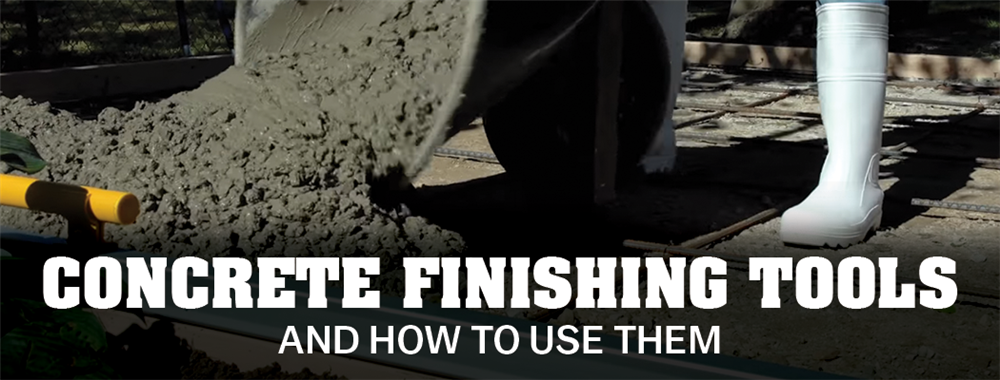
Concrete work is vital for building homes, roads, and many other structures. Using the right concrete tools makes the job easier, safer, and improves the final result. Whether you’re pouring a driveway or patching a wall, knowing how to use each tool correctly is essential. Many beginners make mistakes because they don’t know the purpose of each tool or how to handle them. This guide explains the most common concrete tools, how to use them, and practical advice for best results.
Table of Contents
Essential Concrete Tools And Their Uses
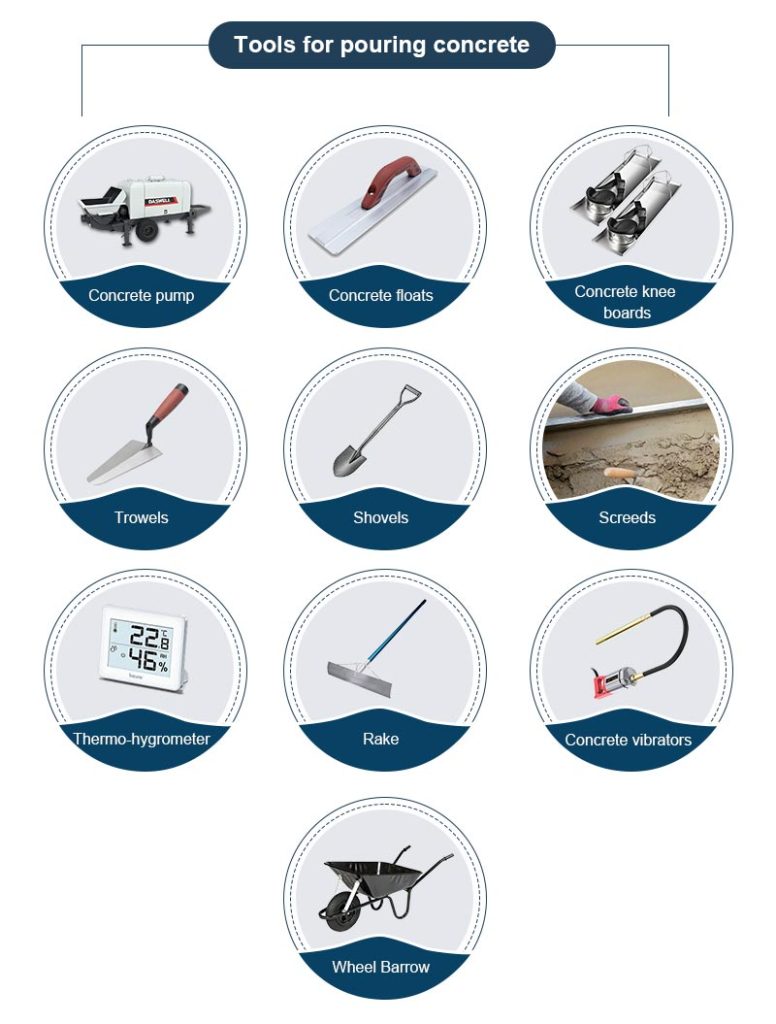
Concrete work uses many tools. Each one has a specific job. Here are the most important tools you’ll need:
1. Concrete Mixer
This machine mixes cement, sand, gravel, and water. To use, add dry materials and water, then turn it on. Mix for 3-5 minutes until the concrete is smooth. Over-mixing can weaken concrete, so stop when the texture is right.
2. Wheelbarrow
A wheelbarrow moves mixed concrete from the mixer to the work area. Fill it about two-thirds full to avoid spills. Use both hands and keep your back straight to prevent injury.
3. Shovel
Shovels spread concrete and help fill molds or forms. Push, rather than lift, the concrete to save energy. Round-point shovels work best for mixing, while flat shovels are good for leveling.
4. Concrete Screed
A screed is a long, straight board or tool. After pouring concrete, drag the screed across the surface to level it. Hold the screed at both ends and move it in a sawing motion.
5. Bull Float
This tool smooths the surface after screeding. Push and pull the bull float gently. Don’t press too hard, or you may cause dips.
6. Edger
Edgers shape the edges of the slab. Run the edger along the sides while the concrete is wet to create rounded or square edges.
7. Groover
Groovers cut lines or joints into concrete. These lines help control cracks. Press the groover firmly, but not too deep, to make clean joints.
8. Trowel
Trowels finish the surface. Move the trowel in overlapping circles. Steel trowels give a smooth finish, while wooden or magnesium trowels leave a rougher texture.
9. Concrete Vibrator
This tool removes air bubbles. Insert the vibrator into the wet concrete for a few seconds at each spot. Too much vibration can separate the mix, so use briefly.
10. Finishing Broom
A finishing broom adds texture. Pull the broom across the surface gently to prevent slipping.
11. Safety Gear
Always wear gloves, safety glasses, and a mask. Concrete dust can harm your skin and lungs.
Comparing Concrete Tools: Manual Vs. Power
Some tools are manual, others are powered. The choice depends on the job size and your budget.
| Tool Type | Manual | Power |
|---|---|---|
| Concrete Mixer | Hand-mix in tub | Electric mixer |
| Vibrator | No manual option | Electric/petrol |
| Trowel | Hand trowel | Power trowel |
| Screed | Wood board | Mechanical screed |
Manual tools cost less and are easy for small jobs. Power tools save time and effort on big projects. For example, a power trowel can finish 1,000 sq ft in under an hour, while a hand trowel may take four hours.

Steps For Using Concrete Tools Safely
Working with concrete can be tough. Safety should always come first. Here are simple tips:
1. Prepare The Area
Remove debris and set up forms before mixing concrete. Double-check measurements.
2. Check Your Tools
Inspect tools for cracks or damage. A broken trowel or float can ruin your finish.
3. Wear Safety Gear
Concrete is caustic. Gloves and masks protect your skin and lungs.
4. Mix Concrete Properly
Follow the bag or supplier instructions for ratios. Adding extra water makes work easier but weakens the concrete.
5. Use Tools Efficiently
Move quickly. Concrete sets fast. Use a screed right after pouring, then the bull float, edger, groover, and trowel in sequence.
6. Clean Tools After Use
Rinse tools with water before concrete dries. Leftover concrete can make tools unusable.
How do you break concrete without power tools
Common Mistakes Beginners Make
Many beginners repeat mistakes that lead to poor results. Here are some to avoid:
- Mixing too much water
- Not leveling with a screed
- Skipping joints with a groover
- Using tools too late (concrete sets quickly)
- Forgetting to clean tools after finishing
Two non-obvious tips:
- Don’t over-trowel; pressing too much makes the surface slick and weak.
- Use the bull float before the bleed water rises. Waiting too long can lock in imperfections.
Data: Tool Costs And Lifespan
Choosing tools wisely saves money. Here’s a quick data comparison.
| Tool | Average Cost | Typical Lifespan |
|---|---|---|
| Hand Trowel | $15–$30 | 5 years |
| Bull Float | $40–$100 | 7 years |
| Power Mixer | $300–$500 | 10 years |
| Concrete Vibrator | $200–$800 | 8 years |
Renting power tools is smart for occasional jobs. Tool rental stores can provide mixers and vibrators for daily rates.
How to wash concrete tools the right way
Practical Tips For Better Results
- Use magnesium floats for the first pass. They don’t stick to wet concrete.
- Keep tools wet but not dripping. This stops concrete from sticking.
- Mark joints carefully with a groover to prevent random cracks.
- For large projects, plan your tool use and timing. Concrete waits for no one.
Frequently Asked Questions
What’s The Best Tool For Mixing Concrete?
For small jobs, a hand mixer or shovel is enough. For larger projects, an electric concrete mixer saves time and ensures a better mix.
How Do I Stop Concrete From Sticking To My Tools?
Wet the tools before use, but don’t soak them. Cleaning them often during the job also helps.
Is A Bull Float Necessary?
Yes, a bull float smooths the surface and brings paste up for finishing. Skipping this tool leaves rough patches.
When Should I Cut Joints In Concrete?
Cut joints with a groover while the concrete is still wet but firm. Waiting too long makes the job harder and increases crack risk.
Can I Use Regular Gloves For Concrete Work?
No. Concrete can burn skin. Use thick rubber gloves made for construction.
Where can I rent tools for concrete work
Finally
Concrete work takes practice, but using the right tools and methods makes a big difference. Always focus on safety and clean your tools after use. With careful planning and smart choices, your concrete project will be strong, smooth, and long-lasting.

Leave a Reply