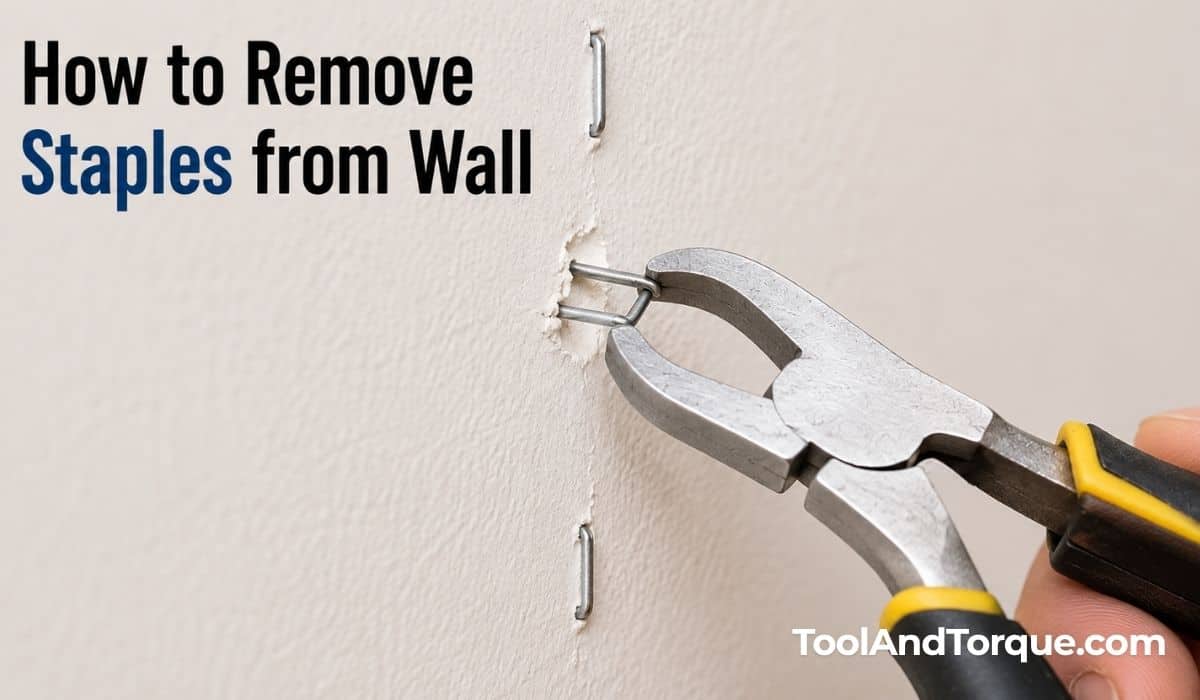
Removing staples from a wall may seem simple, but doing it the right way saves time and protects your wall. Staples are often used to hang decorations, secure wires, or attach posters. When it’s time to take them out, you want to avoid damage like holes, scratches, or torn paint.
This guide gives practical advice for anyone who needs to remove wall staples, whether you’re preparing to repaint or just cleaning up.
Table of Contents
Why Staples Are Used On Walls?
Staples are popular because they’re fast and hold things securely. For example, many people use them to hang holiday lights, fix cables along the wall, or display artwork. Staples are easy to insert with a stapler or staple gun, but removing them can be tricky.
If you pull too hard or use the wrong tool, you might make a small problem much worse. Even small staples can leave marks if not removed carefully.
Tools You Need
Using the correct tools is important for both safety and a clean finish. Here are the main tools people use:
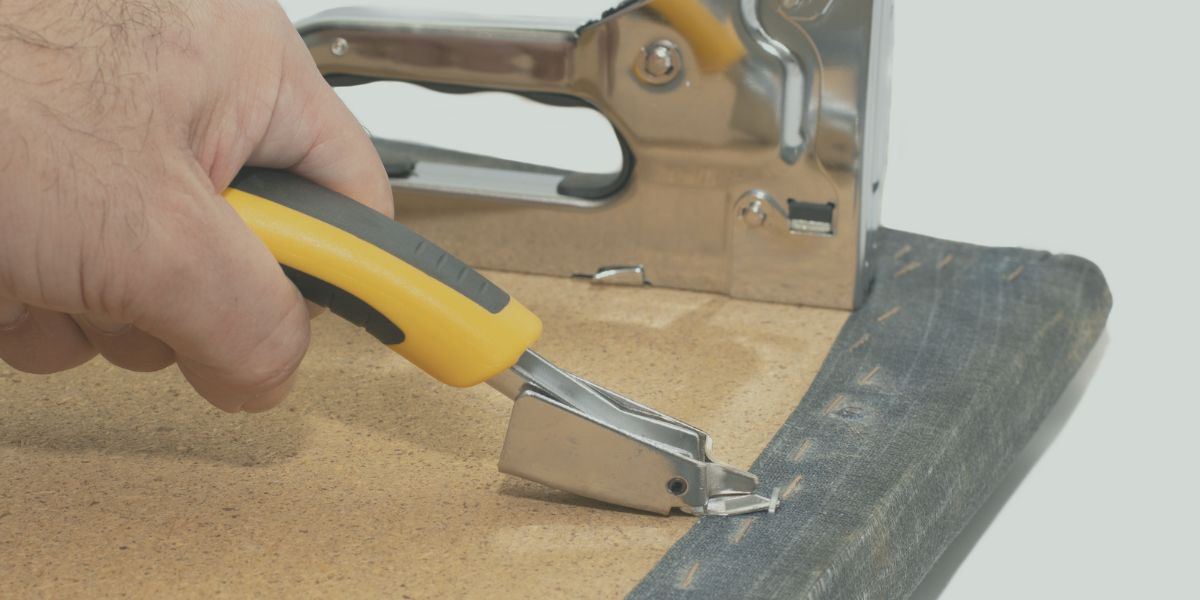
- Staple remover: The best tool for removing staples, especially if they are not deeply embedded.
- Needle-nose pliers: Useful for gripping and pulling out stubborn staples.
- Flathead screwdriver: Helps lift the edge of the staple so you can grab it.
- Putty knife: Can be used to gently slide under the staple.
- Utility knife: Helpful if paint or caulk is covering the staple.
- Safety gloves: Protect your hands from sharp edges.
- Dust mask: If the wall is old or dusty, a mask keeps you safe.
Having these tools ready will make the job easier. You don’t need all of them for every situation, but having a few options helps.
| Tool | Main Use | Best For |
|---|---|---|
| Staple remover | Pulling staples out | Lightly embedded staples |
| Needle-nose pliers | Gripping and removing | Deep or stubborn staples |
| Flathead screwdriver | Loosening staples | Painted-over staples |
Preparing The Wall
Before you begin, it’s important to prepare the area. This keeps your workspace safe and reduces mess.
- Clear the area: Remove any furniture, wires, or decorations near the staples.
- Clean the wall: Wipe away dust so you can see the staples clearly.
- Protect the floor: Place a drop cloth or old sheet below the wall to catch falling staples and debris.
- Turn off power: If staples are near electrical wires, turn off the power to avoid accidents.
These steps are often missed by beginners. They help you spot all the staples and prevent accidents.
How to pull out construction staples safely
Removing Staples: The Process
The best technique depends on how deep the staple is and what type of wall you have. Here are the main methods:
For Surface Staples
Surface staples are those that sit on top of the wall, usually easy to see and reach.
- Start with a staple remover. Place the tip under the staple and push gently. Wiggle to loosen the staple from the wall.
- If the staple doesn’t move, switch to needle-nose pliers. Grip the staple and pull straight out. Avoid twisting, as this can damage the wall.
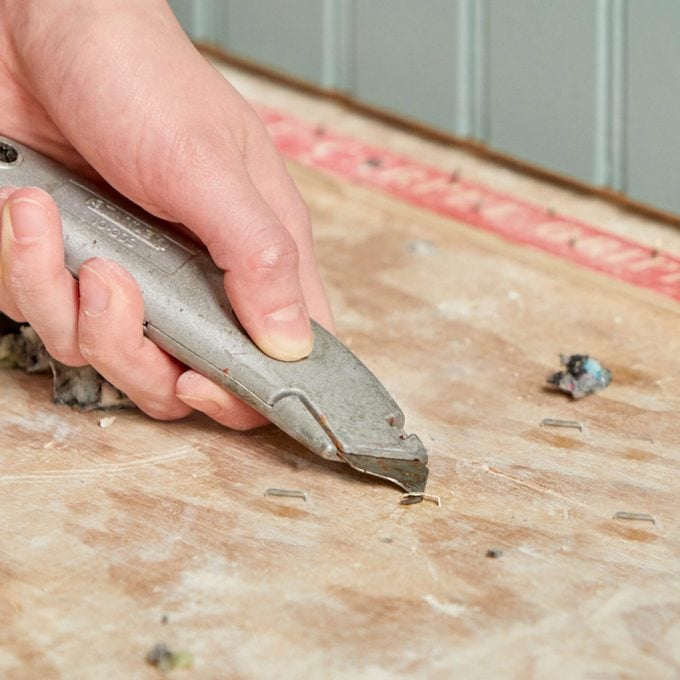
- If the staple is painted over, use a utility knife to cut the paint around the staple. This makes it easier to lift.
For Deep Or Embedded Staples
Sometimes staples are pressed deeply into the wall, or covered with paint and caulk.
- Slide a flathead screwdriver or putty knife under one end of the staple. Gently lift until you can grip it with pliers.
- Use needle-nose pliers to pull the staple out. Pull slowly and steadily to reduce wall damage.
- If the staple breaks, remove each piece separately. Tiny fragments can cause problems later if left inside.
For Staples Near Wires
Staples are often used to secure cables. Removing them needs extra care.
- First, turn off the power if electrical wires are present.
- Use a flathead screwdriver to loosen the staple. Avoid pulling on the wire.
- Grip the staple with pliers and pull away from the wire. Do not tug on the wire itself.
Extra tip: Always check for hidden wires before removing staples. A missed wire can cause injury or damage.
| Staple Type | Best Tool | Wall Damage Risk |
|---|---|---|
| Surface staple | Staple remover | Low |
| Embedded staple | Needle-nose pliers | Medium |
| Staple near wire | Flathead screwdriver | High |
Common Mistakes And How To Avoid Them
Even careful people make mistakes when removing staples. Here are some you can avoid:
- Using too much force: This can tear the wall or paint. Always start with gentle pressure.
- Twisting the staple: Twisting can make a small hole larger. Pull straight out whenever possible.
- Leaving fragments: Sometimes staples break, and small pieces stay in the wall. Always remove all parts.
- Ignoring wall type: Drywall is softer than plaster. Adjust your technique based on the wall.
- Skipping prep: Not cleaning or protecting the area can lead to dirt, scratches, or lost staple pieces.
A non-obvious insight: When removing staples from plaster walls, use less force and a wider tool (like a putty knife) to spread pressure. Plaster cracks easily compared to drywall.
Repairing Wall After Staple Removal
Once the staples are out, you may notice small holes, scratches, or paint chips. Fixing these keeps your wall looking good.
Filling Holes
- Use spackle or wall filler. Apply a small amount to the hole with a putty knife.
- Smooth the surface. Let it dry for the recommended time (usually 1-2 hours).
- Sand lightly with fine-grit sandpaper for a smooth finish.
Painting And Touch-ups
- If the paint is chipped, use matching paint to cover the area.
- For larger patches, prime the spot before painting.
- Allow paint to dry fully before moving furniture back.
Cleaning Up
- Pick up all staples and debris from the floor.
- Wipe down the wall to remove dust.
Practical advice: If you have many holes, consider repainting the entire wall for an even look.
| Repair Material | Dry Time | Best Use |
|---|---|---|
| Spackle | 1-2 hours | Small holes |
| Wall filler | 2-4 hours | Medium holes |
| Primer | 30 minutes | Before painting |
Safety Tips
Removing staples seems safe, but sharp metal and wall dust can cause injuries.
- Wear safety gloves: Protects from sharp edges and broken staples.
- Use a dust mask: Especially important for old walls that may have lead paint.
- Work slowly: Rushing increases the risk of wall damage.
- Check for hidden wires: Always inspect before starting.
- Dispose of staples safely: Keep them away from children and pets.
A tip that many overlook: If you are working in an older home, check for asbestos or lead paint. These materials require special care. These materials require special care. If unsure, consult a professionals.
When To Call A Professional?
In most cases, removing staples is a task you can do yourself. However, there are times when calling a professional is smart:
- Large numbers of staples: If hundreds are embedded, a pro can remove them faster.
- Wall damage: If the wall is crumbling or has mold, get expert help.
- Electrical risks: If you find live wires or complex wiring, call an electrician.
Professionals have specialized tools and experience, which helps when staples are difficult to reach or when the wall needs careful repair.

Frequently Asked Questions
How Can I Remove Staples Without Damaging The Wall?
Use gentle tools like a staple remover or needle-nose pliers. Work slowly and avoid twisting. If the staple is tight, loosen it with a flathead screwdriver first.
What Should I Do If The Staple Breaks And Part Stays In The Wall?
Remove any visible piece with needle-nose pliers. For small fragments, use a utility knife to dig them out carefully. Avoid digging too deep, as this may make the hole bigger.
Can I Reuse The Staple Holes For Hanging Items Again?
It’s best not to reuse old holes. They often weaken the wall and may not hold new staples securely. Fill the holes and use new spots for hanging.
Is It Safe To Remove Staples Near Electrical Wires?
Turn off the power before working near wires. Use a flathead screwdriver to loosen the staple without touching the wire. If you’re unsure about safety, consult an electrician.
What Is The Fastest Way To Remove Many Staples From A Wall?
Work methodically—use a staple remover for surface staples and needle-nose pliers for deeper ones. Prepare your workspace and gather all tools before starting. Take breaks to avoid fatigue and mistakes.
Final Word
Removing staples from a wall is a task that can be handled with care and the right tools. With proper preparation, patience, and attention to detail, you can restore your wall with minimal damage. If you follow these tips, your wall will stay strong and look good for years to come.

Leave a Reply