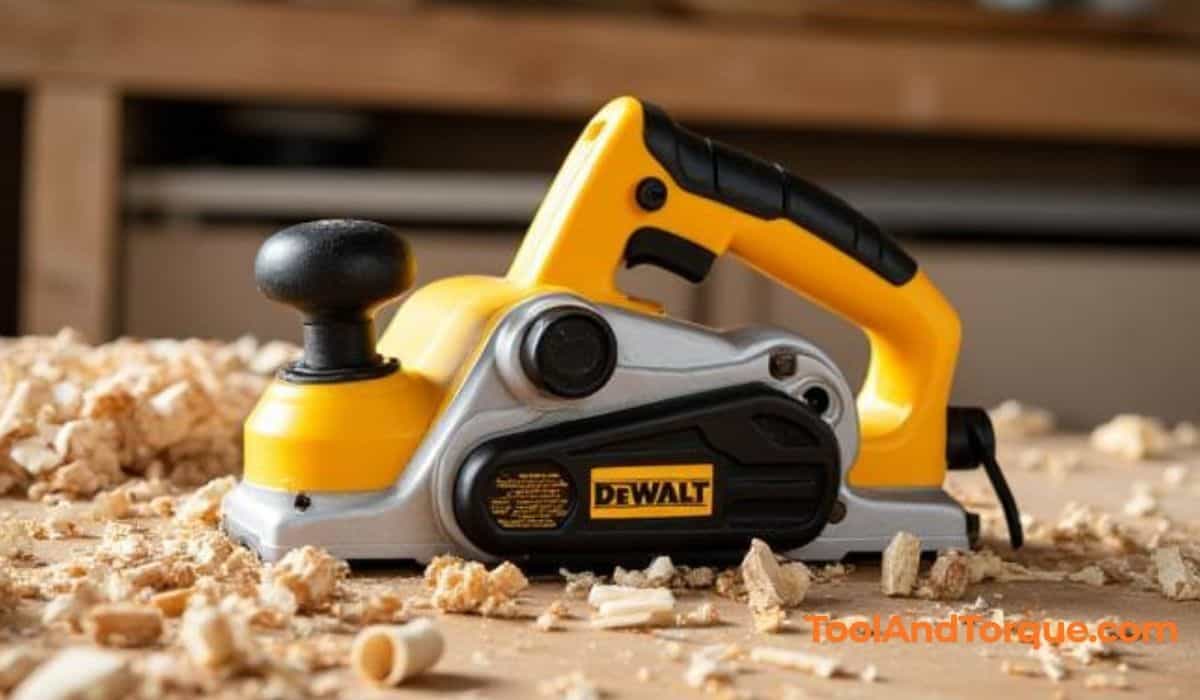
Electric planers are essential tools for woodworking, carpentry, and home improvement projects. These machines make surface leveling, smoothing, and shaping wood easier and faster than manual hand planers. If you’re curious about how electric planers actually work, this article will explain their operation, design, and practical uses in detail, using clear language and practical examples.
Table of Contents
What Is An Electric Planer?
An electric planer is a power tool used to shave off thin layers from wooden surfaces. This tool is designed for tasks like flattening doors, smoothing edges, or reducing wood thickness. Unlike manual hand planers, electric planers work with a motor that spins blades rapidly, letting you finish jobs more quickly and with less effort.
Electric planers come in different sizes, but most handheld models are easy to use, lightweight, and suitable for both professionals and hobbyists. Larger, stationary planers are used in workshops for bigger pieces of wood or repeated tasks.
Key Parts Of An Electric Planer
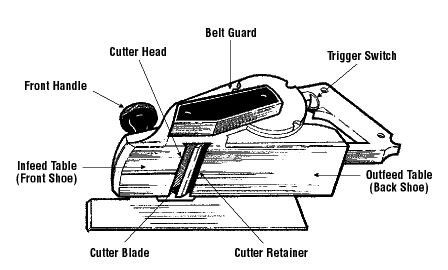
Every electric planer has several important components that work together to achieve a smooth finish. Here are the main parts:
- Motor: Powers the tool and spins the blades.
- Cutting blades: Sharpened metal edges that slice off wood layers.
- Cutter head: Holds the blades and rotates at high speed.
- Sole plate: Flat base that glides along the wood, keeping the cut level.
- Front and rear shoes: Adjustable parts on the sole plate to set the depth of the cut.
- Depth adjustment knob: Lets you choose how much wood to remove per pass.
- Dust collection port: Removes wood chips and debris for cleaner operation.
- Handle and trigger: Used to grip and control the planer.
A typical handheld electric planer is compact, with a comfortable grip and easy-to-use controls. The design focuses on making the tool stable and safe during operation.
How Electric Planers Work?
Electric planers operate using a simple mechanical principle. When you turn on the tool, the motor spins the cutter head at high speed—often over 15,000 revolutions per minute (RPM). The blades mounted on the cutter head slice off thin layers of wood as you push the planer across the surface.
The process works like this:
- Setting depth: Before starting, you adjust the depth knob to select how much wood will be removed—usually between 1/64 inch and 1/8 inch per pass.
- Positioning: Place the front shoe on the wood, ensuring the planer is level.
- Starting the cut: Press the trigger to activate the motor. The blades begin spinning.
- Moving forward: Push the planer forward at a steady speed, keeping pressure on the front shoe at first, then gradually shifting to the rear shoe.
- Removing material: The spinning blades cut away the wood, guided by the depth setting.
- Dust collection: Wood shavings are pushed into the dust port or bag, keeping your workspace cleaner.
The adjustable front shoe is critical. It sets the height difference between the front and rear shoes, which controls the depth of the cut. If you set it too deep, the planer will remove more material but might cause rough surfaces or overload the motor.
A shallow setting gives finer results but takes more passes.
Types Of Electric Planers
There are a few main types of electric planers, each suited to different jobs. Here is a comparison of the most common types:
| Type | Typical Use | Size | Power |
|---|---|---|---|
| Handheld planer | Doors, edges, small boards | Portable | 500-900 watts |
| Benchtop planer | Thick boards, repeated jobs | Medium | 1000-1500 watts |
| Stationary planer | Large-scale production | Heavy, fixed | 2000+ watts |
Handheld planers are most common for home use and small projects. Benchtop planers are popular in workshops for working on larger boards. Stationary planers are used in factories and are designed for high-volume work.
Main Uses Of Electric Planers
Electric planers are used for several tasks in woodworking and home improvement. Here are some of their most common uses:
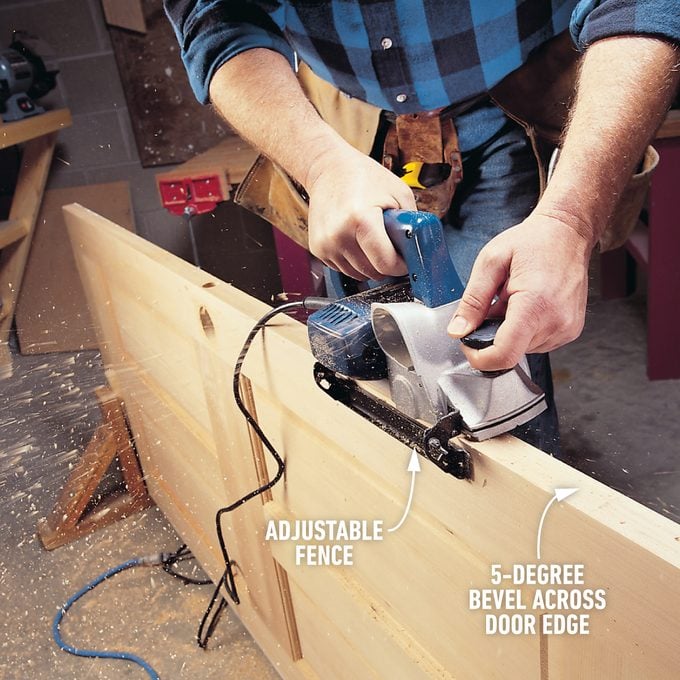
- Leveling doors: Fix doors that stick by shaving off the edges.
- Smoothing rough boards: Remove uneven surfaces for a clean finish.
- Trimming wood edges: Straighten or smooth corners and edges.
- Reducing thickness: Adjust boards to fit specific measurements.
- Chamfering: Create angled edges for decorative or functional purposes.
For example, if you have a door that scrapes the floor, an electric planer can remove just enough material to fix the problem without replacing the entire door. In furniture making, planers help create flat, even surfaces for tabletops or shelves.
How To Use An Electric Planer Safely?
Safety is important when using electric planers. The blades spin very quickly and can cause injury if not handled properly. Here are some guidelines:
- Always wear safety goggles to protect your eyes from flying wood chips.
- Use hearing protection—planers are loud, often reaching over 90 decibels.
- Keep hands away from the blade area. Never touch the blades when the tool is plugged in.
- Check that the wood has no nails, screws, or other metal objects before planing.
- Always unplug the planer before changing blades or cleaning.
A common mistake is setting the depth too high. This can cause the motor to stall or leave gouges in the wood. Start with a shallow depth and increase slowly if needed.
Electric Planer Vs. Manual Planer
Many people wonder how electric planers compare to manual hand planers. Here’s a simple table showing key differences:
| Feature | Electric Planer | Manual Planer |
|---|---|---|
| Speed | Fast (up to 15,000 RPM) | Slow (manual effort) |
| Precision | Consistent for large areas | High for small, detailed work |
| Physical effort | Low | High |
| Noise | Loud | Quiet |
| Maintenance | Blade sharpening, dust removal | Blade sharpening only |
| Cost | $60–$300 (handheld) | $30–$120 |
Electric planers are much faster and less tiring for big jobs, but manual planers may offer finer control for delicate work.
How much does a wood planer cost
Common Beginner Mistakes
When using electric planers for the first time, beginners often make errors that affect results or safety. Here are two less obvious mistakes to watch for:
- Incorrect wood orientation: Planing against the wood grain can cause tear-out, leading to rough surfaces. Always check the grain direction and plane with the grain for smoother results.
- Uneven pressure: Applying too much pressure at the start or end of the cut causes snipe—a deeper cut at the ends. Keep your pressure balanced and let the tool do the work.
Other common mistakes include skipping dust collection, rushing the job, or failing to check for hidden nails and screws. Fixing these errors will improve your results and make the tool last longer.
Maintenance And Blade Care
Proper maintenance keeps your electric planer working well and extends its lifespan. Here are some tips:
- Clean blades regularly: Wood resin can build up, dulling the blades.
- Sharpen or replace blades: Dull blades make rough cuts and strain the motor.
- Empty dust bags: Full dust bags reduce efficiency and can cause overheating.
- Lubricate moving parts: A small amount of oil on the cutter head prevents wear.
It’s a good idea to check the manufacturer’s instructions for blade replacement and cleaning. Some planers use reversible blades, which can be flipped when one side dulls.
Buying An Electric Planer: What Matters Most
If you’re considering buying an electric planer, focus on these key factors:
- Power rating: Higher wattage means more cutting strength, useful for harder woods.
- Cutting width and depth: A wider cutter head covers more area per pass. Adjustable depth is important for flexibility.
- Weight and ergonomics: Lightweight tools are easier to handle, especially for prolonged use.
- Dust collection: Efficient dust removal keeps your workspace clean and safe.
- Blade type: Carbide blades last longer than steel, but may cost more.
A mistake buyers make is choosing based only on price. Cheaper planers often have weaker motors and less precise controls. Investing in a reliable brand with good reviews pays off over time.

Practical Tips For Better Results
Here are some practical tips from experienced woodworkers:
- Use multiple passes: Instead of removing a lot of material in one go, make several light passes for smoother results.
- Check blade sharpness: Sharp blades prevent tear-out and produce cleaner surfaces.
- Secure the wood: Clamp your workpiece to avoid movement during planing.
- Adjust depth carefully: Small changes in depth can make a big difference in finish quality.
A non-obvious tip is to occasionally check the sole plate for nicks or damage. Even small scratches can transfer to the wood and spoil the finish.
Frequently Asked Questions
How Deep Can An Electric Planer Cut In One Pass?
Most handheld electric planers cut between 1/64 inch and 1/8 inch per pass. For best results, start with lighter cuts and increase depth if the tool handles it well.
Can Electric Planers Be Used On Materials Other Than Wood?
Electric planers are designed mainly for wood. Using them on metal, plastic, or composites can damage the blades and motor. Always check the manufacturer’s guidelines.
How Often Should Planer Blades Be Replaced Or Sharpened?
Blade life depends on usage and wood type. Softwoods require less sharpening, while hardwoods wear blades faster. For regular use, inspect blades every few weeks and replace or sharpen when cuts become rough.
Is It Necessary To Use Dust Collection With Electric Planers?
Yes. Dust collection improves safety and prevents wood chips from clogging the tool. Most planers include a dust port or bag, but connecting to a shop vacuum is even better.
What Is Snipe, And How Can It Be Avoided?
Snipe is a deeper cut at the ends of a board, caused by uneven pressure or improper setup. Avoid snipe by supporting the wood at both ends, keeping balanced pressure, and using lighter cuts.
Last Word
Electric planers have changed woodworking by making surface leveling and smoothing faster and easier. With careful setup, proper maintenance, and attention to technique, these tools deliver professional-quality results. Whether you’re fixing a door, preparing boards for furniture, or working on home repairs, understanding how electric planers work can help you achieve better outcomes and avoid common mistakes.

Leave a Reply