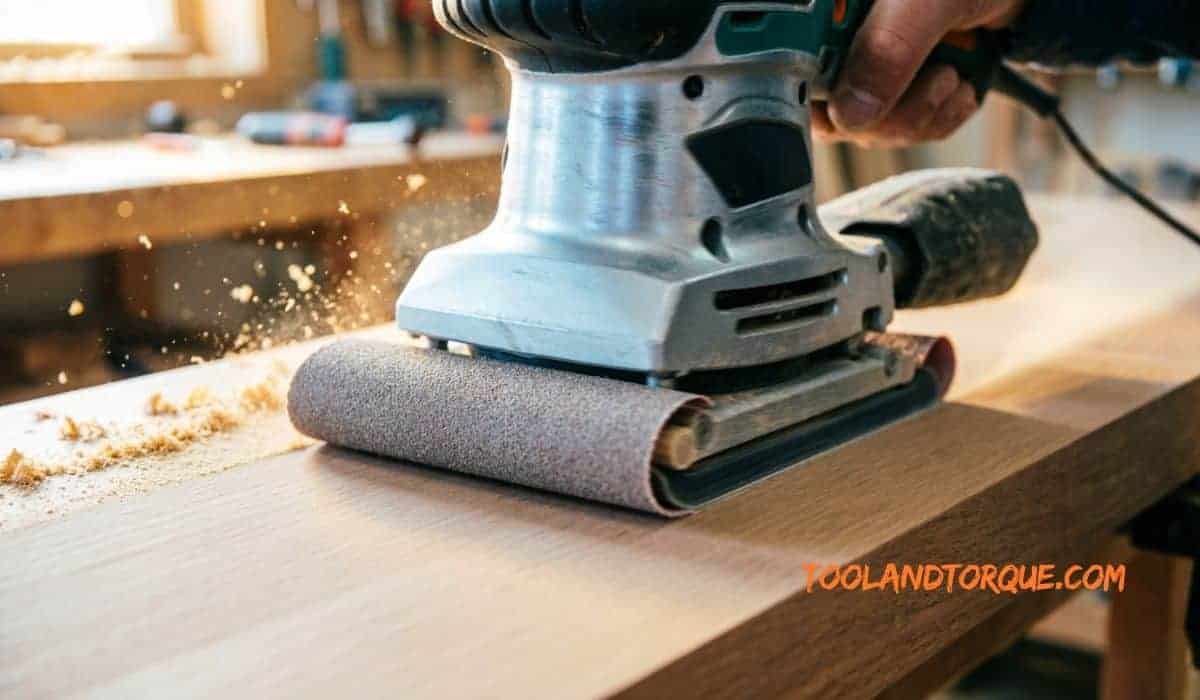
A sheet sander is a handy tool for smoothing wood, removing paint, and prepping surfaces. It’s popular among DIYers and professionals because it’s simple to use and gives a fine finish. Whether you’re working on furniture, cabinets, or home repairs, knowing how a sheet sander works can save you time and effort.
Table of Contents
What Is A Sheet Sander?
A sheet sander, also known as a finishing sander, uses a rectangular piece of sandpaper. The tool moves the sandpaper in tiny circles or back-and-forth motions, making it ideal for finishing tasks. It’s lighter and less aggressive than belt sanders or random orbital sanders, so it’s perfect for final sanding and detail work.
Sheet sanders come in different sizes, but most use either a quarter or half sheet of standard sandpaper. They’re designed for easy handling and control, letting you sand flat surfaces without gouging or marking.
| Type | Sandpaper Size | Main Use |
|---|---|---|
| Quarter-sheet | 1/4 of a standard sheet | Small projects, corners |
| Half-sheet | 1/2 of a standard sheet | Large surfaces, fast coverage |
How Does A Sheet Sander Work?
Sheet sanders operate with a simple mechanism. The sandpaper is clamped onto a flat pad. When the sander turns on, the pad moves rapidly in tiny circles or oscillations. This motion scrapes the surface, removing material evenly.
Key Parts Of A Sheet Sander
- Pad: The flat base where sandpaper attaches.
- Clamps: Hold the sandpaper tightly.
- Motor: Powers the pad’s motion.
- Dust bag: Collects dust from sanding.
Most sheet sanders run at speeds between 10,000 and 14,000 oscillations per minute (OPM). This speed lets you sand surfaces quickly but gently, avoiding deep scratches.
The Sanding Process
- Attach sandpaper: Cut standard sandpaper to size and secure it with clamps.
- Power on: Plug in or start the sander.
- Apply pressure: Hold the sander flat and use light pressure. Too much force can damage the wood.
- Move slowly: Guide the sander along the grain. Fast movements leave uneven marks.
- Check progress: Stop often to check the surface.
Sheet sanders are best for flat surfaces. They struggle with curves or tight spots, where hand sanding or a detail sander works better.
| Tool | Best For | Common Mistake |
|---|---|---|
| Sheet Sander | Flat surfaces, finishing | Using too much pressure |
| Belt Sander | Heavy material removal | Leaving deep gouges |
| Random Orbital Sander | Versatile, less swirl marks | Wrong grit selection |
Choosing The Right Sandpaper
The sandpaper’s grit decides how much material is removed. Sheet sanders use standard sandpaper, so you can pick the right grit for your project.
- Coarse (40–60 grit): Removes paint or rough wood
- Medium (80–120 grit): Smooths surfaces after coarse sanding
- Fine (150–220 grit): Prepares surfaces for painting or staining
Always start with a lower grit and move to a higher grit for the best results. Using the wrong grit can cause scratches or leave surfaces too rough.
A common beginner mistake is skipping grits. Moving straight from coarse to fine can leave lines that are hard to remove later.
Safety And Efficiency Tips
Sheet sanders are safer than larger tools, but basic safety is still important.
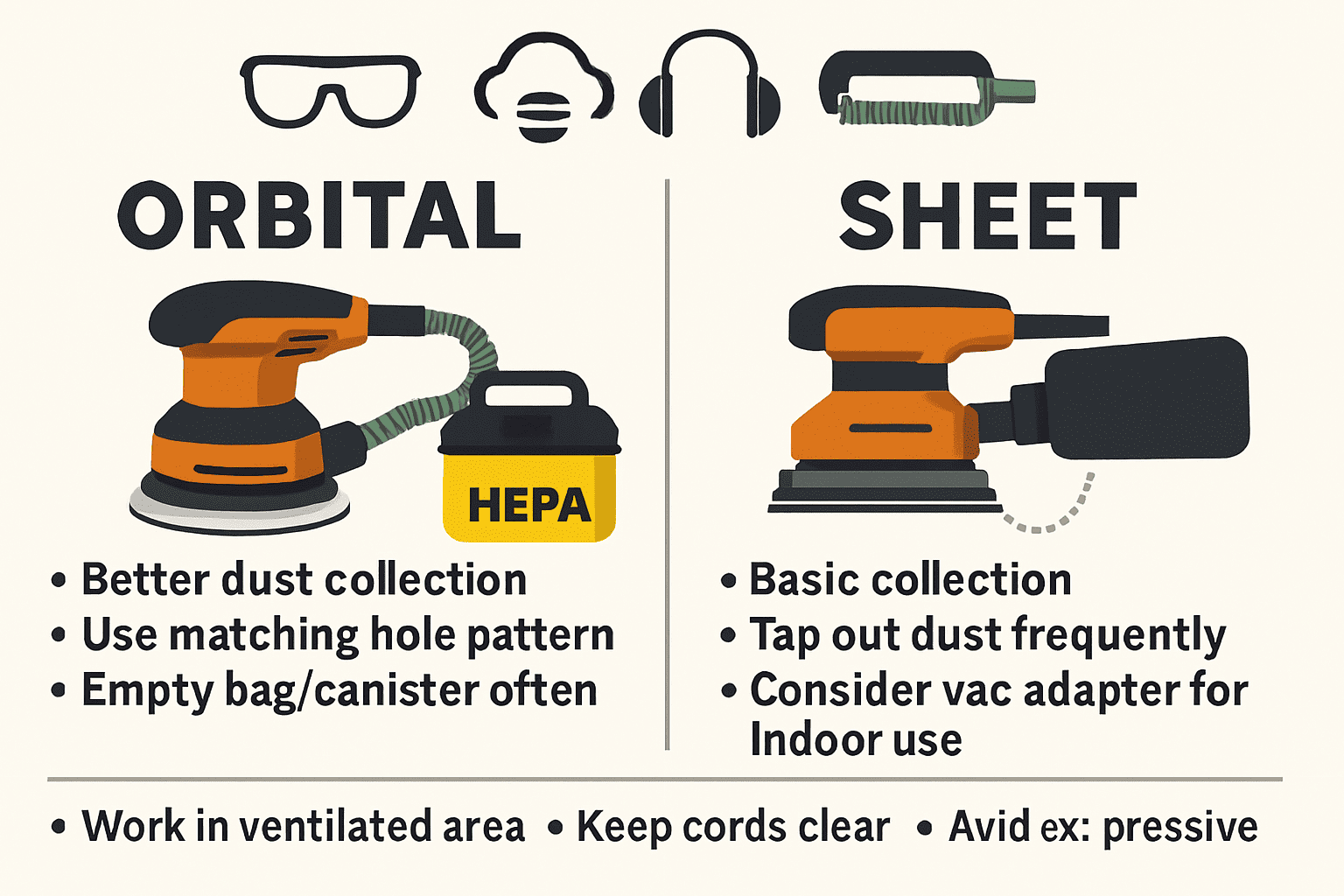
- Wear a mask: Sanding creates dust that can irritate lungs.
- Use goggles: Protect your eyes from flying particles.
- Check the cord: Make sure it’s not damaged.
- Keep hands clear: Don’t touch the pad while it’s moving.
For efficiency, avoid pressing down too hard. Let the sander’s weight do the work. Also, empty the dust bag often. Full bags reduce suction and make sanding messier.
One insight many beginners miss is the importance of sanding with the grain. Sanding against the grain can leave lines and make finishing harder. Also, don’t forget to clean the sandpaper or replace it when it gets clogged. Clogged sandpaper sands poorly and can burn wood.

Sheet Sander Vs. Other Sanders
Sheet sanders are just one type of sander. Here’s how they compare to others:
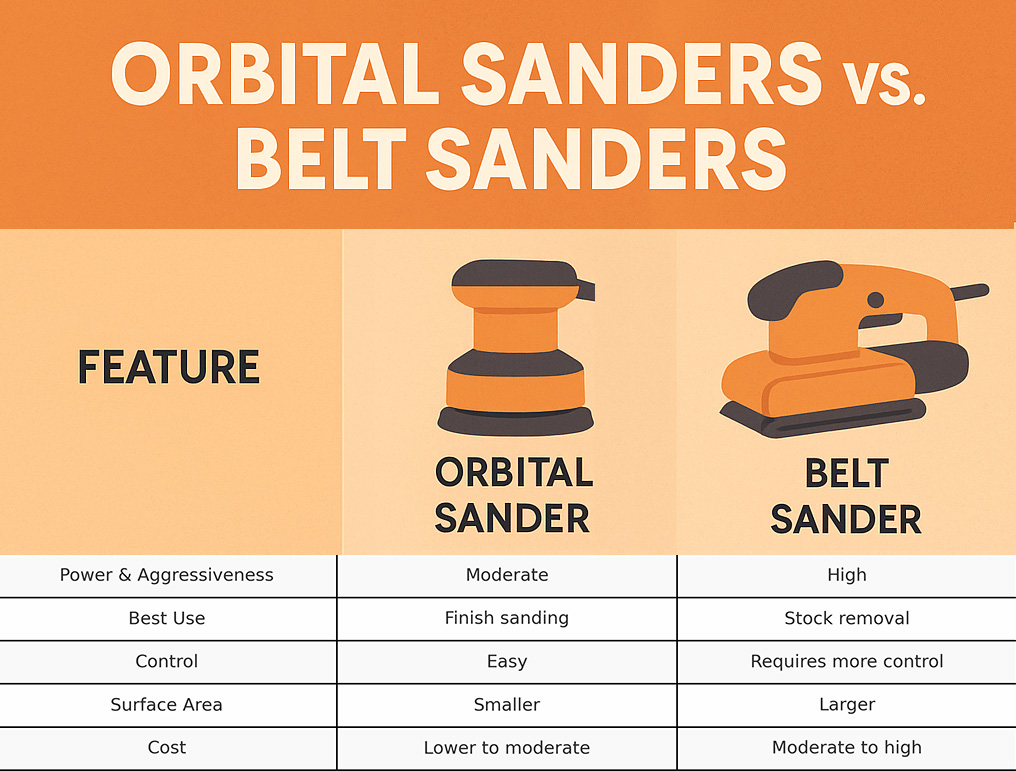
| Sander Type | Finish Quality | Speed | Dust Control |
|---|---|---|---|
| Sheet Sander | Fine | Medium | Good |
| Belt Sander | Rough | Fast | Average |
| Random Orbital | Very Fine | Medium | Excellent |
Sheet sanders are not as fast as belt sanders, but they offer more control and a better finish. If you want to remove a lot of material quickly, a belt sander is better. For smooth surfaces and fewer swirl marks, a random orbital sander is ideal.
Sheet sanders sit in the middle, offering a balance of speed and control.
Practical Uses And Examples
Sheet sanders work well for:
- Furniture refinishing: Smooths old paint and varnish.
- Cabinet making: Prepares surfaces for painting.
- Door and window trim: Creates a smooth finish.
- DIY projects: From shelves to picture frames.
For example, refinishing a wooden table often starts with a sheet sander. Using a medium grit, you can remove scratches. Then, switch to fine grit for a smooth surface ready for stain.
Frequently Asked Questions
What’s The Difference Between A Sheet Sander And An Orbital Sander?
A sheet sander moves sandpaper in small circles or back-and-forth, while an orbital sander spins the pad in random directions. Orbital sanders can give a smoother finish and avoid swirl marks.
Can A Sheet Sander Be Used On Metal?
Yes, but it’s mainly for wood. When sanding metal, use special sandpaper and avoid overheating the surface. Sheet sanders are not strong enough for heavy metal work.
How Do I Prevent Dust While Sanding?
Most sheet sanders come with a dust bag. You can also connect to a shop vacuum. Wearing a mask and working in a well-ventilated area helps reduce dust exposure.
How Often Should I Change Sandpaper?
Change sandpaper when it’s clogged, torn, or not sanding well. For most projects, you’ll need to change grit as you move from rough sanding to fine finishing.
What’s The Best Way To Sand Corners?
Sheet sanders can reach corners if you use a quarter-sheet model. For tight spaces, hand sanding or a detail sander works better.
Last Word
Sheet sanders offer a reliable, efficient way to achieve smooth surfaces on wood and similar materials. With the right sandpaper and careful use, this tool delivers a professional finish for a wide range of projects. If you pay attention to grain direction, sandpaper selection, and dust control, you’ll get great results every time.

Leave a Reply