Cutting concrete can be a tough job, but using the right tool makes it safer, faster, and cleaner. From simple home repairs to large construction projects, picking the best tool depends on the thickness of the concrete, the scale of the work, and your experience level.
Many people think a single saw fits all needs, but there are several specialized tools designed for different tasks. Knowing which tool to use saves time and prevents mistakes.
Table of Contents
Types Of Tools For Cutting Concrete
Not all concrete is the same. Sidewalks, driveways, walls, and floors require different cutting methods. Here are the most common tools used:
1. Circular Saw With Diamond Blade
This tool is best for small jobs, like cutting thin slabs or making straight lines in patios. The diamond blade can slice through concrete, but it’s limited to shallow cuts (up to 2 inches). It’s easy to handle and affordable.
2. Angle Grinder
For detail work or cutting curves, an angle grinder with a diamond blade is popular. It works well for tile, bricks, and thinner concrete surfaces. It’s lightweight but not suitable for deep cuts.
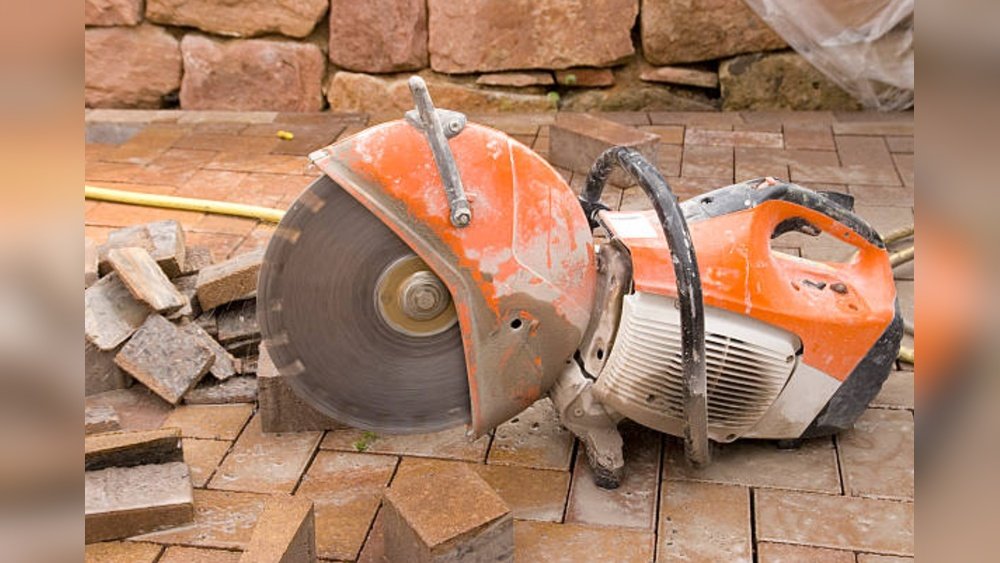
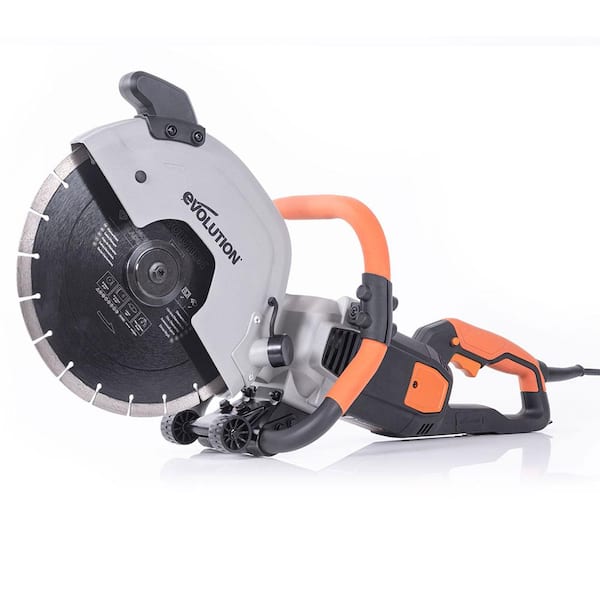
3. Concrete Saw (cut-off Saw)
These saws, sometimes called demo saws, are built for heavy-duty cutting. They come in gas, electric, or battery-powered versions. With a diamond blade, they can cut through thick concrete (up to 5 inches or more). They are loud and produce dust, so safety gear is important.
4. Walk-behind Saw
Used for large slabs and deep cuts, a walk-behind saw is common in roadwork and construction. It’s stable, powerful, and handles long, straight cuts easily. These saws can reach depths of 7 inches or more. They are expensive and often rented for big jobs.
5. Hammer And Chisel
For small patches or repairs, a hammer and chisel can break concrete. This method is slow and best for thin surfaces or corners where power tools won’t fit.
6. Core Drill
When you need round holes for pipes or cables, a core drill is the tool. It creates clean, precise holes in walls and floors. Core drills come in handheld and stand-mounted versions.
How to use concrete hand tools correctly
Comparing Concrete Cutting Tools
Choosing the right tool starts with matching your needs to the tool’s abilities. Here’s a simple table comparing the main features:
| Tool | Cut Depth | Speed | Best For |
|---|---|---|---|
| Circular Saw | Up to 2″ | Medium | Small jobs |
| Angle Grinder | Up to 1″ | Medium | Detail work |
| Concrete Saw | Up to 5″ | Fast | Medium jobs |
| Walk-Behind Saw | 7″+ | Very Fast | Large jobs |
| Hammer & Chisel | Varies | Slow | Small repairs |
| Core Drill | Varies | Medium | Drilling holes |

Key Factors When Choosing A Concrete Cutting Tool
Several details matter when selecting a tool:
- Cutting depth: Deeper cuts need bigger saws.
- Size of area: For large surfaces, a walk-behind saw is efficient.
- Precision: Core drills and angle grinders provide clean, accurate cuts.
- Dust control: Wet cutting tools reduce dust and protect lungs.
- Safety: High-powered tools can be dangerous. Always wear goggles, gloves, and a mask.
Many beginners overlook the importance of blade quality. Using a dull blade slows the job and increases risk. Another mistake is ignoring water cooling. Dry cutting creates more dust and can damage the blade.
Safety Tips For Concrete Cutting
Concrete cutting creates dust and flying debris. Here are important safety practices:
- Wear protective gear: Safety goggles, gloves, ear protection, and a dust mask.
- Check the tool and blade: Inspect for cracks, loose parts, and wear.
- Work slowly: Forcing the tool can cause kickback.
- Use water: Wet cutting keeps dust down and the blade cool.
- Keep the area clear: Remove obstacles and warn others to stay back.
It’s easy to underestimate the risks of concrete cutting. Even small jobs can cause injury if proper steps aren’t followed.
Using A Concrete Saw: Step-by-step Example
Let’s say you need to cut a driveway slab. Here’s a brief guide:
- Mark the line: Use chalk or a marker.
- Set up the saw: Attach a diamond blade and connect water supply if available.
- Wear safety gear: Goggles, gloves, mask.
- Start the saw: Begin cutting at low speed.
- Follow the line: Keep the blade straight and steady.
- Let the tool do the work: Don’t force the saw.
- Finish and clean: Turn off the saw, clear debris, and check the cut.
Comparing Wet And Dry Concrete Cutting
Wet cutting uses water to reduce dust and cool the blade, while dry cutting is simpler but messier. Here’s a quick table:
| Method | Dust | Blade Life | Best Use |
|---|---|---|---|
| Wet Cutting | Low | Long | Indoor/health-sensitive |
| Dry Cutting | High | Shorter | Outdoor/quick jobs |
Wet cutting is often preferred for indoor work and longer projects. Dry cutting is fine for short, simple jobs outside.
Renting Vs. Buying Concrete Cutting Tools
Most homeowners do not own heavy-duty cutting tools. Renting is common for large saws and core drills. Rental costs range from $40 to $100 per day for a walk-behind saw. Buying a new concrete saw can cost $400 or more.
For frequent use or professional work, buying makes sense. For rare projects, renting saves money.
Many people forget to check blade condition when renting. Always inspect before use to avoid delays and extra charges.
Where can I rent a concrete grinder near me in Denver
Frequently Asked Questions
What Is The Best Tool For Cutting Thick Concrete?
A walk-behind saw is best for thick concrete slabs, like driveways and floors. It cuts quickly and evenly, reaching depths over 7 inches.
Can I Use A Regular Saw To Cut Concrete?
No, regular wood saws are not strong enough. You need a diamond blade or a saw designed for concrete.
How Can I Reduce Dust When Cutting Concrete?
Use wet cutting methods, connect a water supply, and wear a mask. Wet cutting keeps dust low and protects your health.
Is It Safe To Cut Concrete Myself?
With proper safety gear and preparation, small jobs are safe for most people. For large or complex cuts, consider hiring a professional.
How to clean hardened concrete from tools
Finally
Choosing the right tool for cutting concrete is important for safety, speed, and quality. Whether you’re working on a small patio or a big driveway, match the tool to the job. Always check blade quality, use water if possible, and wear proper protection.
Planning ahead avoids mistakes and keeps your project running smoothly.


Leave a Reply