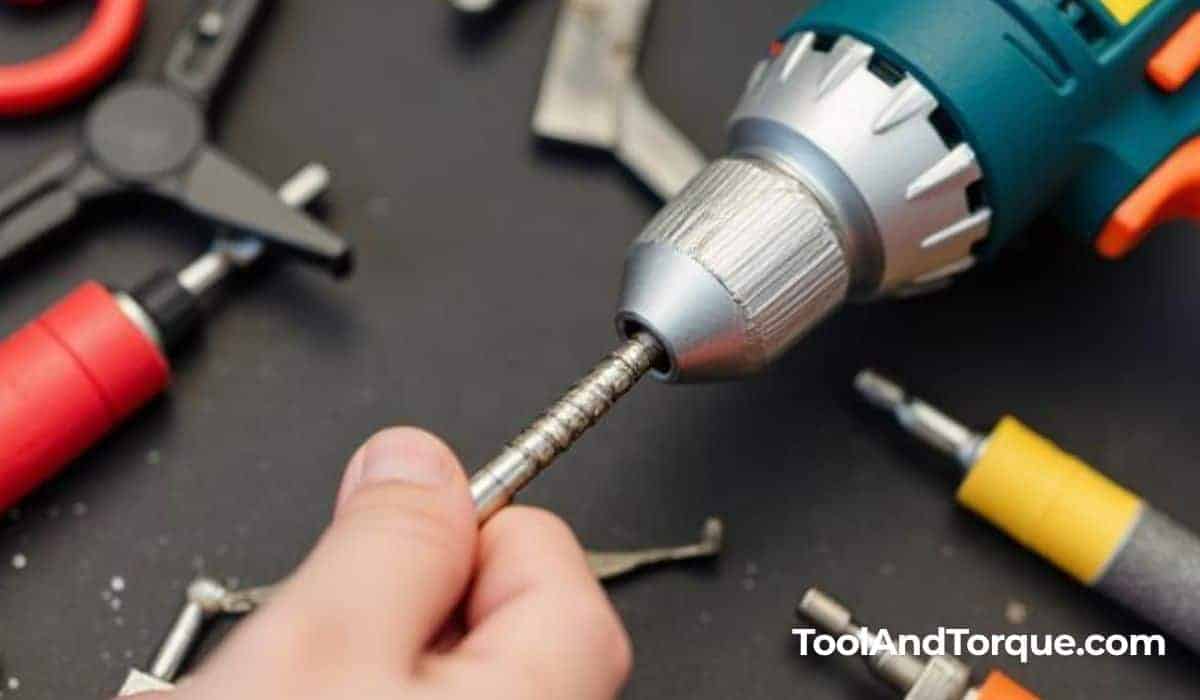
Removing the bit from an electric screwdriver might seem easy at first, but many users struggle with stuck bits, unfamiliar mechanisms, or worn tools. If you use power tools for furniture assembly, home repairs, or professional work, handling the bit correctly is essential for tool safety and performance.
A stuck or improperly seated bit can slow you down and even damage your screwdriver. This article covers everything you need to know about removing bits from electric screwdrivers, including the different chuck types, practical tips, safety advice, and answers to common questions.
Table of Contents
Why Removing The Bit Matters?
Changing or removing bits is more than just swapping tools. The bit removal process affects both your efficiency and the lifespan of your screwdriver. Using the wrong method can strip the chuck, injure your hand, or break the bit. A clean removal also helps prevent rust or debris from building up inside the chuck, keeping your tool reliable for longer.
Types Of Electric Screwdriver Chucks
Electric screwdrivers use different mechanisms to hold the bit in place. Identifying your chuck type is the first step for safe and smooth removal.
| Chuck Type | How It Works | Common Brands/Models |
|---|---|---|
| Magnetic | Magnet holds bit in place; no moving parts | Black+Decker, Bosch IXO |
| Keyless | Twist by hand to loosen or tighten | DeWalt 8V, Makita DF012DSE |
| Quick-release/Hex | Pull or slide collar to release bit | Milwaukee M12, Ryobi QuickTurn |
| Collet | Push or pull collet sleeve to remove | Dremel, some cordless screwdrivers |
Understanding your chuck style prevents damage and speeds up bit changes. For example, forcing a magnetic bit out by twisting can hurt the tool, while pulling on a quick-release collar is usually required.

Removing Bits: Methods For Each Chuck Type
Each chuck style has a specific removal method. Using the wrong one can lead to frustration or even injury.
Magnetic Chuck
- Hold the screwdriver firmly with one hand.
- Grip the bit with your other hand.
- Pull the bit straight out with steady pressure.
Magnetic chucks are simple, but sometimes the bit gets stuck due to rust or debris. If you notice resistance, avoid twisting hard; gently wiggle the bit while pulling.
Keyless Chuck
- Hold the rear part of the chuck (the non-rotating section).
- Turn the front part of the chuck counterclockwise (to the left) by hand.
- When the jaws open, remove the bit.
Keyless chucks work like a bottle cap—no tools needed. Do not use pliers unless the chuck is jammed, as this can scratch or break the mechanism.
Quick-release Or Hex Chuck
- Hold the collar (the ring near the bit) with one hand.
- Slide or pull the collar away from the screwdriver body.
- With the collar held back, pull the bit out.
- Release the collar.
These chucks are popular for fast bit changes. If the collar sticks, check for dust or debris and clean with a soft brush or compressed air.
Collet Chuck
- Hold the collet sleeve (the part just before the bit).
- Push or pull the sleeve as directed by your tool manual.
- Remove the bit while keeping the sleeve in the open position.
Collet chucks are common in rotary tools and some compact electric screwdrivers. Always check the manufacturer’s instructions if unsure.
Bit Removal Safety Tips
Incorrect removal can lead to injury or damage. A few key tips help you stay safe:
- Power Off: Always turn off and unplug (or remove the battery from) your screwdriver before removing the bit.
- Wear Gloves: If the bit is hot from use, wear work gloves to avoid burns.
- Use Light Pressure: Forcing a stuck bit can break the bit or damage the chuck.
- Inspect the Bit: Check for wear or damage before reinserting or replacing.
What If The Bit Is Stuck?
Sometimes, bits get jammed from rust, debris, or a misaligned chuck. Here are some solutions:
- Apply Penetrating Oil: A drop of oil (like WD-40) can loosen rusted or corroded bits. Wait a few minutes before trying again.
- Tap Lightly: Gently tap the bit with a small hammer while pulling. Do not hit hard—light taps only.
- Use Pliers Carefully: If you must use pliers, grip the bit gently and pull straight out. Never twist sideways.
- Heat and Cool: Heat the bit gently with a hair dryer, then cool with a damp cloth. The temperature change can sometimes break the grip.
- Check for Debris: Clean out the chuck with a small brush or compressed air.
If the bit still will not budge, consult your tool’s manual or take it to a repair shop.
Comparing Bit Removal Difficulty By Chuck Type
The ease of removing bits can differ greatly between chuck types. Here is a comparison for clarity.
| Chuck Type | Average Removal Time | Common Issues |
|---|---|---|
| Magnetic | 2-3 seconds | Bit gets stuck by rust/debris |
| Keyless | 5-10 seconds | Jammed jaws, overtightening |
| Quick-release | 2-4 seconds | Collar sticks from dust |
| Collet | 5-8 seconds | Sleeve sticks, unclear direction |
Quick-release and magnetic chucks are usually fastest, while collet and keyless types can be tricky if not maintained.

Maintenance Tips For Easy Bit Removal
Keeping your electric screwdriver in top condition helps you change bits quickly and safely. Here’s what you can do:
- Clean Regularly: Remove dust and debris from the chuck with compressed air or a brush after every few uses.
- Lubricate: Apply a drop of machine oil to moving parts of keyless or quick-release chucks every few months.
- Inspect for Damage: Check for worn or bent bits, cracked chucks, or stuck collars.
- Store Properly: Keep your screwdriver in a dry place to prevent rust. Use the case if provided.
- Avoid Over-tightening: Do not force the chuck tighter than needed; this can make removal difficult.
Common Mistakes When Removing Bits
Many users repeat the same errors when removing bits from electric screwdrivers. These can damage your tool or even lead to injury.
- Forcing the Bit: Applying too much force can break the bit or damage the chuck.
- Using the Wrong Removal Method: Each chuck type needs its own approach. Using the wrong method makes the job harder.
- Not Powering Down: Forgetting to turn off the tool risks accidental activation and injury.
- Ignoring Stuck Bits: If a bit does not come out easily, investigate why—do not just yank harder.
- Skipping Cleaning: Dust and debris inside the chuck will make future bit changes harder.
How Often Should You Change Or Remove Bits?
There is no fixed rule, but you should remove and check your bits in these cases:
- When switching to a different screw type or size.
- If the bit shows signs of wear or slipping.
- After long periods of use, to clean both the bit and the chuck.
- If the tool is being stored for a long time.
Regular inspection helps avoid sudden problems on your next project.
Bit Removal Tools And Accessories
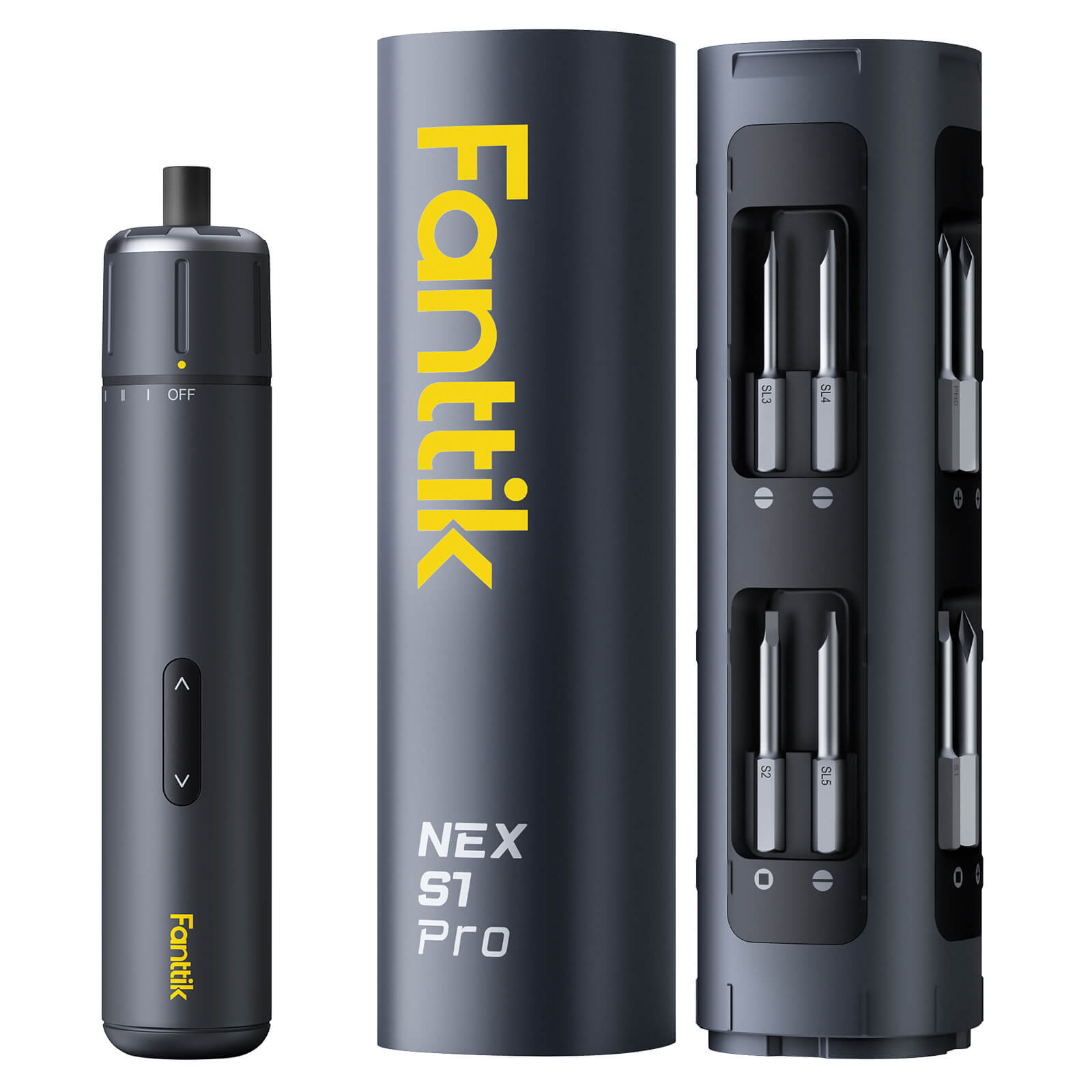
Some accessories can make the bit removal process easier, especially if you work with many screwdrivers or in tough environments:
- Bit Holders: Magnetic or spring-loaded bit holders help with quick changes.
- Chuck Keys: Some older screwdrivers use keyed chucks, requiring a special tool.
- Pliers: Needle-nose pliers can help with stuck bits, but use gently.
- Compressed Air: Useful for cleaning inside the chuck.
Most modern electric screwdrivers are designed for tool-free bit removal, but these items can be helpful for older models or tough cases.
Special Considerations For Cordless Models
Cordless electric screwdrivers are extremely popular for their portability. However, battery-powered models often have smaller or more delicate chucks. Here are some extra points to remember:
- Remove the Battery before any maintenance or bit removal. This prevents accidental startups.
- Avoid Over-tightening: Cordless models usually use plastic or lighter metal chucks, which can be stripped.
- Keep Batteries Clean: Dust or debris around the battery can affect performance and safety.
Comparing Electric Screwdriver Brands For Bit Removal
Not all electric screwdrivers are equal when it comes to bit changes. Some brands are known for smoother, faster removal, while others require more effort.
| Brand | Bit Removal Mechanism | User Feedback |
|---|---|---|
| DeWalt | Keyless, Magnetic | Easy, reliable |
| Makita | Keyless, Collet | Smooth, but collet can be tricky |
| Bosch | Magnetic, Quick-release | Very easy, quick changes |
| Ryobi | Quick-release | Fast, but collar sticks if dirty |
| Black+Decker | Magnetic | Simple, but bits can stick |
Bosch and Ryobi are often praised for their fast bit changes, but regular cleaning is key for all brands.
When To Replace The Bit Instead Of Removing And Reusing?
Bits do not last forever. Using worn or damaged bits can damage screws, the tool, or even cause injury. Replace the bit if:
- The tip is worn down or rounded.
- The bit slips or cannot grip screws well.
- The bit is bent, cracked, or rusted beyond cleaning.
- The bit does not seat properly in the chuck.
High-quality bits may cost more but tend to last longer and are easier to remove and replace.
Frequently Asked Questions
How Do I Know What Chuck Type My Electric Screwdriver Uses?
Check the manual or look at the end of the tool. Magnetic chucks usually have no moving parts; keyless chucks twist by hand; quick-release chucks have a collar you pull or slide; collet chucks have a sleeve you push or pull.
What Should I Do If The Bit Is Stuck And Nothing Works?
If oil, gentle tapping, and pliers do not work, stop before causing more damage. Consult your tool’s manual or contact a service center for help. For expensive tools, professional repair is often worth it.
Can I Use Any Bit With My Electric Screwdriver?
Only use bits that match the chuck size and type. Forcing the wrong bit may damage the tool. Most electric screwdrivers use standard 1/4″ hex shank bits, but always check your manual.
How Can I Keep My Bits From Getting Stuck In The Future?
Regular cleaning, light lubrication, and avoiding overtightening are the best prevention. Store your tools in a dry place and check for rust or debris after heavy use.
Is It Safe To Change Bits With The Battery Attached?
No. Always remove the battery or unplug the tool before changing bits. This prevents accidental startups and protects your hands.
Last Word
Removing the bit from your electric screwdriver is a small but crucial task for tool safety and efficiency. Knowing your chuck type, using the right technique, and keeping your tool clean makes the process smooth and safe. With these tips, you can keep your electric screwdriver in top shape and your projects running smoothly.

Leave a Reply