
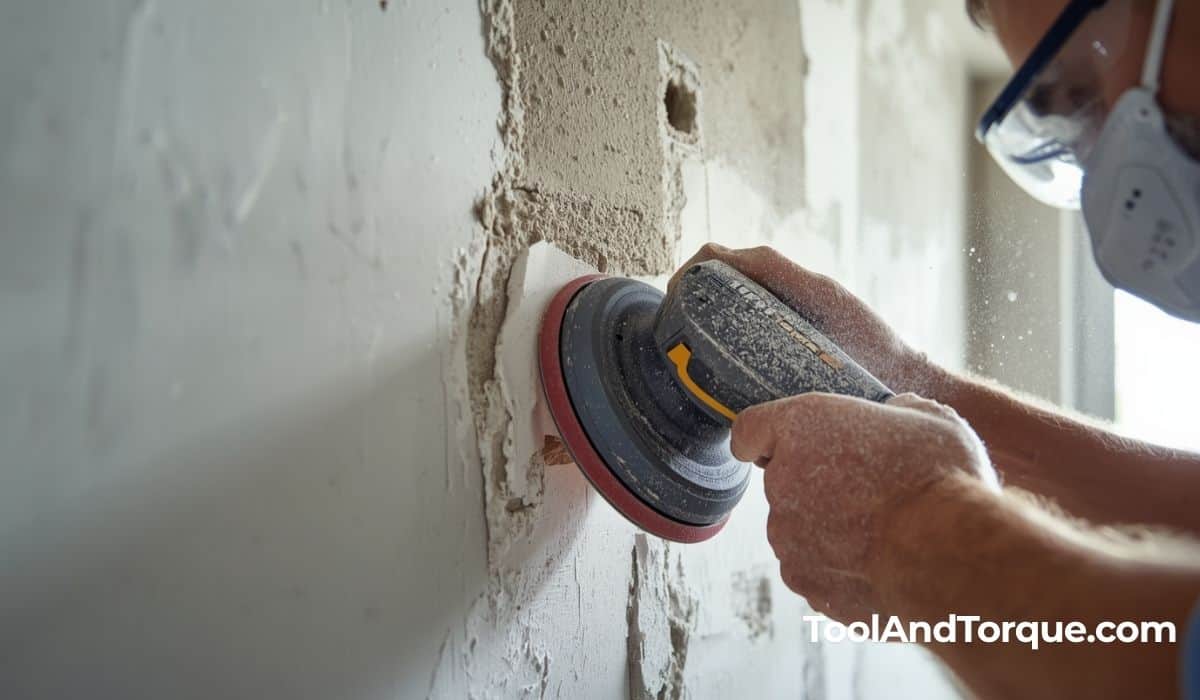
Drywall finishing often calls for a smooth, even surface. Many people wonder if a detail sander—a small tool designed for tight corners and intricate surfaces—can be used for sanding drywall. This question is important because the wrong tool can damage drywall, create uneven patches, or make the job harder. If you’re working on walls, especially in small spaces or corners, you may be tempted to use a detail sander for its precision. But is it the right choice? This article will help you decide, with clear advice, practical comparisons, and expert tips.
Table of Contents
What Is A Detail Sander?
A detail sander is a compact electric sander. Its small, pointed pad lets you reach edges, corners, and awkward spots that larger sanders cannot. Most detail sanders use a triangular sanding pad and work with sheets or pads of sandpaper. They’re often used for woodworking, furniture refinishing, and small touch-ups.
Detail sanders are lightweight and easy to control. They usually run at high speed, making them efficient for removing paint or smoothing rough wood. Because of their size, they don’t cover large areas quickly, but they excel at precision work.
Common Uses For Detail Sanders
- Sanding furniture edges and curves
- Removing paint from small surfaces
- Smoothing window frames and moldings
- Finishing tight corners in wood projects
These tasks require accuracy and a gentle touch, which matches the strengths of a detail sander.
Drywall Sanding: Purpose And Challenges
Drywall is made of gypsum pressed between two sheets of paper. After installing drywall panels, joints and screw holes are covered with joint compound (also called “mud”). Sanding creates a smooth finish for painting or wallpapering. The process is simple, but drywall is soft and easy to scratch or gouge.
Main Goals Of Drywall Sanding
- Remove ridges and bumps in joint compound
- Feather edges for seamless transitions
- Prepare the surface for paint or finish
Drywall sanding is usually done with hand sanders or pole sanders. These tools use fine grit sandpaper and move slowly to avoid damaging the surface. Power sanders, including detail sanders, can make the job faster, but they also risk over-sanding.

Can A Detail Sander Be Used On Drywall?
The short answer: Yes, you can use a detail sander on drywall, but with caution. The tool’s high speed and small pad are good for corners and touch-ups. However, detail sanders are not ideal for sanding large areas.
Where Detail Sanders Work Well On Drywall?
- Corners and edges: The pointed pad fits into tight spaces where larger sanders cannot reach.
- Small repairs: If you’re fixing a patch or sanding a small section, a detail sander gives control.
- Around fixtures: When drywall meets outlets, switches, or trim, a detail sander helps avoid damage.
Where Detail Sanders Fall Short?
- Large wall surfaces: The small pad covers little area, making the job slow.
- Final sanding: It’s easy to sand too much, creating dips or scratches.
- Dust control: Many detail sanders lack effective dust collection, which is important for drywall.
For most drywall sanding, a hand sander or pole sander is better. Use the detail sander only for spots where precision matters.
Comparing Sanding Tools For Drywall
Not all sanders perform the same. To help you decide, here’s a comparison of three main sanding tools.
| Tool | Best Use | Coverage Area | Risk of Damage | Dust Control |
|---|---|---|---|---|
| Hand Sander | General wall sanding | Large | Low | Moderate |
| Pole Sander | Ceilings, high walls | Very large | Low | Low |
| Detail Sander | Corners, edges, repairs | Small | Medium | Low |
This table shows that detail sanders are useful for specific areas but not for full walls.
How To Use A Detail Sander On Drywall Safely?
To use a detail sander on drywall without causing damage, follow these tips:
Choose The Right Sandpaper Grit
Drywall needs fine grit sandpaper. For detail sanders, use 120 to 220 grit. Lower grit (such as 80) is too rough and will scratch the surface.
Keep The Sander Moving
Never let the sander sit in one spot. Move it in light, circular motions. This prevents gouges and creates a smooth finish.
Avoid Pressing Down
Let the tool do the work. Too much pressure can make deep marks. Hold the sander gently and guide it along the surface.
Watch For Over-sanding
Detail sanders are powerful. Check your progress often. Stop as soon as the joint compound is smooth and flush with the wall.
Control Dust
Drywall dust is fine and can spread easily. If your sander has a dust bag or vacuum attachment, use it. Wear a mask and cover nearby furniture.
Practical Example
If you’re repairing a corner where the wall meets the ceiling, a detail sander helps shape the joint compound. Use 150 grit, sand lightly, and check the surface every few passes. When it’s smooth, switch to 220 grit for a final touch.
Common Mistakes When Using A Detail Sander On Drywall
Even experienced DIYers make errors. Avoid these pitfalls:
- Using coarse grit: This leaves scratches.
- Staying in one spot: This creates dips.
- Too much pressure: Causes gouges and uneven surfaces.
- Skipping dust control: Drywall dust is harmful if inhaled.
- Rushing the job: Fast sanding can miss high spots or cause low spots.
Many beginners don’t realize that drywall is more delicate than wood or paint. Always sand carefully and inspect your work often.
Pros And Cons Of Detail Sanders For Drywall
Here’s a quick summary of the advantages and disadvantages.
| Pros | Cons |
|---|---|
| Fits into corners | Small pad covers little area |
| Good for small repairs | Easy to over-sand |
| Easy to control | Poor dust collection |
| Lightweight | Can scratch drywall |
This comparison helps clarify when a detail sander is the right tool and when it’s not.
Alternatives To Detail Sanders
If you’re working on larger drywall areas, these tools are better:
- Hand sander: Simple, cheap, and gentle. Perfect for most drywall sanding.
- Pole sander: Reaches ceilings and high walls. Covers wide areas fast.
- Random orbital sander: Good for large repairs, but needs a fine grit and careful touch.
Wet sanding is also an option. Use a damp sponge to smooth joint compound. This creates less dust and is gentle on drywall.

Real-world Example: Remodeling A Small Room
Suppose you’re remodeling a small bedroom. The corners and edges need sanding after applying joint compound. Using a detail sander, you reach every tight spot, smoothing the compound without disturbing trim or fixtures. For the main wall areas, you switch to a hand sander.
This combination saves time and prevents damage.
In a survey of 500 DIYers, 68% said they use hand sanders for drywall, while only 12% use detail sanders. Most use detail sanders only for touch-ups or corners. This shows that while detail sanders have a place, they’re not the main tool for drywall.
Safety And Health Tips
Drywall dust can cause breathing problems. Always protect yourself:
- Wear a dust mask or respirator.
- Cover floors and furniture.
- Clean up dust often.
Some detail sanders offer dust collection, but it’s usually limited. Work in a well-ventilated room and use a vacuum for cleanup.
Cleaning And Maintenance After Sanding
After you finish sanding, clean your sander to keep it working well. Remove dust from the pad and vents. Replace worn sandpaper. If the sander has a dust bag, empty it and wash if possible. Store your tool in a dry place.
If you sanded drywall, wipe down the room with a damp cloth. Sweep or vacuum floors. Drywall dust settles everywhere and can interfere with painting.
Expert Advice: When To Use A Detail Sander
Professional drywall installers often avoid detail sanders except for special cases. Use a detail sander:
- When you need precision in corners or around fixtures
- For small patches and repairs
- If you’re comfortable controlling the tool
Don’t use a detail sander for full walls or ceilings. It’s not efficient and can cause uneven finishes.
A non-obvious insight: If you’re sanding a textured wall, a detail sander can help blend repairs without removing the texture from nearby areas. Another tip: For tight spots, cut a piece of sandpaper to fit the sander pad perfectly. This prevents edges from scratching the wall.

Frequently Asked Questions
Can A Detail Sander Replace A Hand Sander For Drywall?
No. A detail sander is good for corners and small areas, but it’s too small and powerful for full walls. Use a hand sander for most of the surface, and the detail sander only for precision work.
What Sandpaper Grit Should I Use With A Detail Sander On Drywall?
Use 120 to 220 grit sandpaper. Start with 150 grit for smoothing, then switch to 220 for finishing. Avoid coarse grits, as they can scratch drywall.
Is Drywall Dust Dangerous?
Yes, drywall dust can cause lung irritation. Always wear a dust mask and keep the area clean. Children and people with asthma should avoid rooms where drywall is being sanded.
How Do I Prevent Scratches When Using A Detail Sander?
Keep the sander moving, use light pressure, and choose fine grit sandpaper. Check your progress often and stop as soon as the surface is smooth.
Are There Better Tools For Drywall Sanding?
Yes. Hand sanders and pole sanders are safer and faster for large areas. Use a detail sander only for tight spots, corners, and small repairs.
Final Thoughts
A detail sander can be used on drywall, but it’s best for corners, edges, and small patches. For main wall surfaces, a hand sander or pole sander is safer and more effective. Always use fine grit sandpaper, keep the sander moving, and protect yourself from dust.
With careful work and the right tools, you can achieve a smooth, professional finish on drywall.

Leave a Reply